Oil & Gas
Morocco Holds Fuel Stocks as Global Price Surge Raises Inflation Concerns
Morocco’s fuel reserves offer short-term relief amid global oil price volatility, but continued reliance on imports and rising energy costs pose risks to inflation, fiscal stability, and long-term energy security.
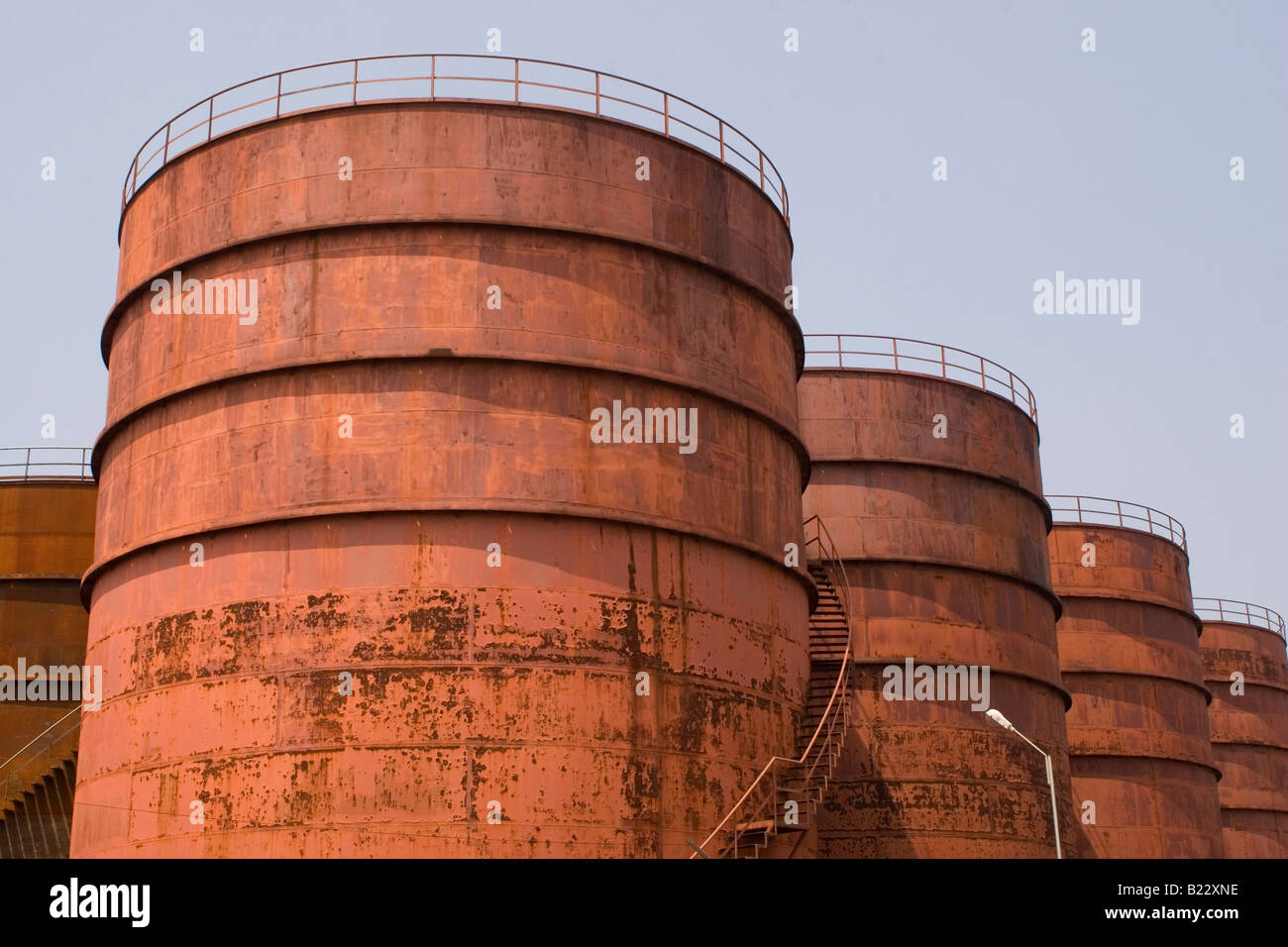
Morocco says it currently has sufficient diesel and petrol reserves to last 51 and 55 days respectively, even as rising global energy prices triggered by tensions in the Middle East continue to pressure its import-dependent economy.
According to the Ministry of Energy, coal and natural gas supplies have also been secured through the end of June, providing short-term stability for electricity generation and industrial use.
The North African country, which has relied entirely on imported refined petroleum products since the shutdown of its sole refinery in 2015, is grappling with the impact of escalating international crude prices. The recent spike follows heightened geopolitical tensions after military actions involving the United States, Israel, and Iran.
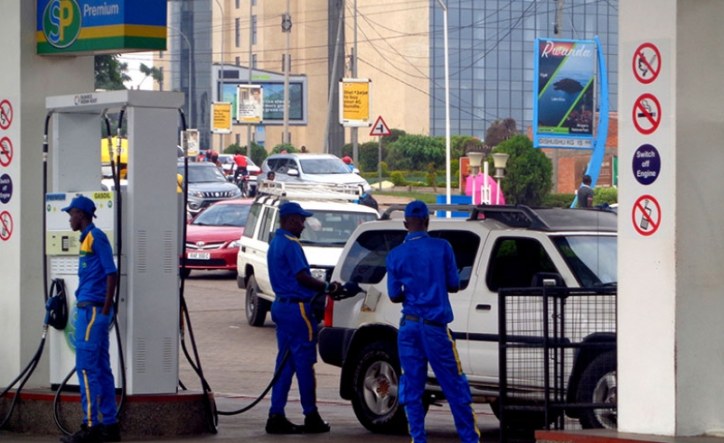
Fuel prices at local stations have already risen by about 30 per cent since late February, prompting the government to reintroduce targeted subsidies for professional transport operators, including taxi drivers, bus operators, and truck owners, in a bid to cushion the impact on consumers.
Despite removing fuel subsidies in 2014 as part of economic reforms, authorities say current interventions are necessary to maintain price stability and limit the broader economic fallout.
The ministry noted that efforts to diversify supply sources, particularly from Europe and the United States, have helped to mitigate supply disruptions. However, the country remains exposed to global market fluctuations due to its heavy reliance on imports.
Coal continues to dominate electricity generation in Morocco, accounting for about 60 per cent of output, while renewable energy sources such as wind and solar contribute roughly 25 per cent. Natural gas makes up about 10 per cent of the energy mix.
Although coal prices have also risen in response to the ongoing regional conflict, the government said existing supply contracts would cover demand until the end of June, with new tenders expected in mid-April for the third quarter.
Gas consumption declined by 11 per cent in the first quarter of 2026, largely due to increased hydroelectric power generation following improved rainfall and higher dam levels.
Morocco imports most of its natural gas via Spanish liquefied natural gas terminals through a pipeline that previously transported Algerian gas.
Related Stories

Sign up for our newsletter.
Get the latest news, expert analysis, and industry insights delivered straight to your inbox. Join thousands of professionals shaping the future of energy.
By submitting my information, I agree to the Privacy Policy and Terms of Service.