Renewables |Power
Türkiye's Renewables Hit 22% as Drought Costs $1.8b
Türkiye's declining hydropower output offers a preview of the economic costs countries with drought-exposed dams may face as climate change reshapes electricity supply.
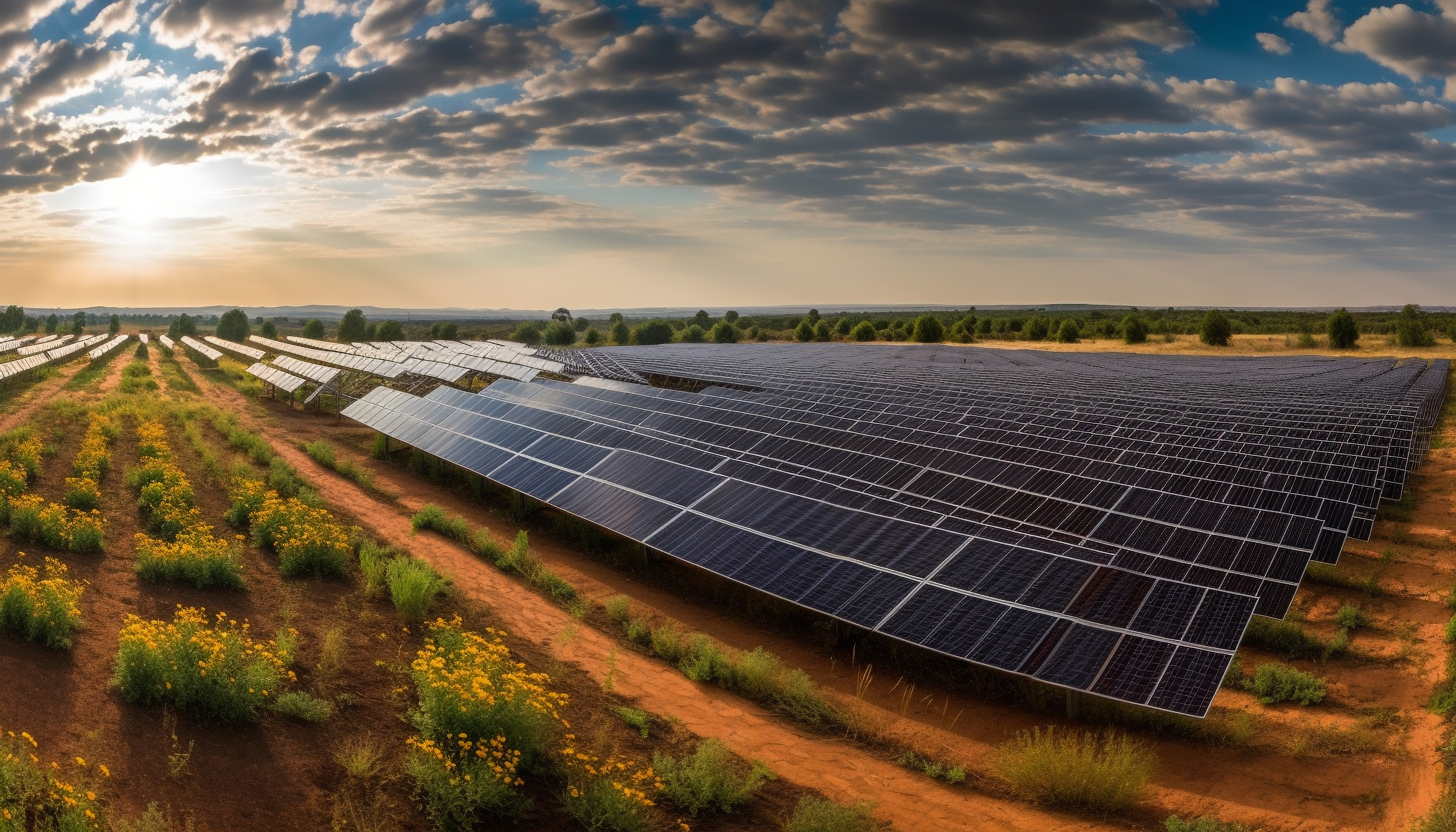
Wind and solar power accounted for 22% of Türkiye's electricity generation in 2025, overtaking hydropower for the first time, as a decade-long drought has cost the country an average of $1.8 billion a year in additional fossil gas imports to cover lost hydroelectric output.
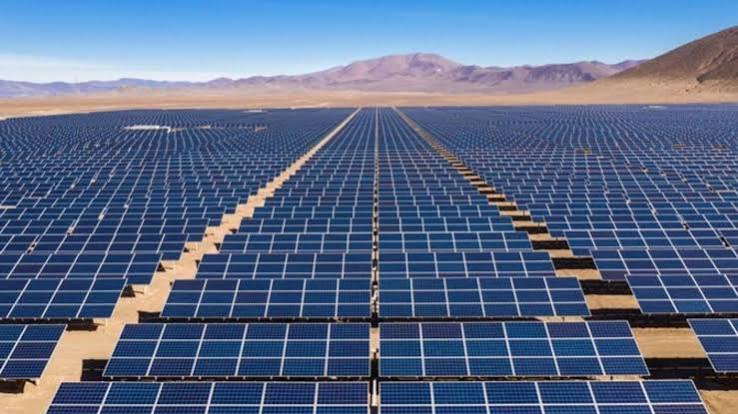
Türkiye added a record 6.5 gigawatts (GW) of new renewable capacity in 2025, made up of 1.9GW of wind and 4.6GW of solar. Solar power generation nearly doubled over two years, rising from 18.4 terawatt-hours (TWh) to 37.3TWh, built on new solar installations that have averaged about 4.5GW a year since a record 4.8GW was added in 2023.
Falling reservoir output drives gas imports
The renewable expansion is being driven less by climate ambition than by a deepening water crisis. Generation at Türkiye's three largest hydropower dams, Atatürk, Karakaya and Keban, has fallen by 29% compared with the 1996-2005 average, as prolonged drought reduces the reservoirs' ability to generate electricity.
The capacity factor, a measure of how much of a plant's maximum possible output it actually produces, fell from 38% in 1996-2005 to 26% in 2016-2025 across the country's hydropower fleet.
To make up the shortfall, Türkiye has increasingly turned to imported gas, at an average cost of $1.8 billion a year, since domestic gas production covers only about 5% of national consumption. That leaves the economy exposed to swings in global gas prices whenever hydropower output falls further. For energy planners in Nigeria, where dams such as Kainji and Shiroro face similar climate-related pressure on water levels, Türkiye's experience illustrates how a sustained decline in hydropower output can force a broader restructuring of a country's electricity mix.
Battery storage pipeline outpaces Europe
To manage a grid now more dependent on weather-driven wind and solar output, Türkiye has built up a battery storage project pipeline of 33GW, larger than the pipelines in Germany or Italy, which stand at roughly 12-13GW each. Battery storage allows electricity generated when the sun is shining or wind is blowing to be held and released later, when demand is higher.
However, most of Türkiye's planned battery projects can currently store power for only about 1.1 hours on average, short of the global average of 2.5 hours and well below the country's 2035 target of 7.5GW of storage capable of running for at least two hours. Without longer storage duration, surplus solar power generated around midday cannot be shifted to cover the evening demand peak, limiting how much of it can be used.
Coal remains the largest single source of electricity in Türkiye, at 34% of generation, even though two-thirds of the coal burned is imported despite the country holding substantial domestic reserves. The government has introduced an $8.7 billion purchase guarantee for domestic coal plants running through 2029, set at $75 per megawatt-hour, about 13% above current market rates. Analysts have warned the guarantee could keep older, less efficient coal plants running and complicate efforts to integrate more renewable power, since these plants may need to keep operating even during midday hours when solar output is highest.
Türkiye is targeting 120GW of wind and solar capacity by 2035, roughly triple current levels, a goal officials say will require about $28 billion in grid investment. Financing is expected to come from a group of international lenders including the World Bank, the European Investment Bank, the Asian Development Bank and the European Bank for Reconstruction and Development.
The government has also introduced "super permit" reforms intended to cut the time needed to approve new renewable energy projects from four years to 18 months.
Related Stories

Sign up for our newsletter.
Get the latest news, expert analysis, and industry insights delivered straight to your inbox. Join thousands of professionals shaping the future of energy.
By submitting my information, I agree to the Privacy Policy and Terms of Service.