Renewables
Africa Energies Summit: AEC Continues Boycott over ‘Exclusionary Practices’
The African Energy Chamber’s boycott shows rising demands for fair representation, stronger local content policies, and African leadership in global energy engagements tied to the continent’s resources.
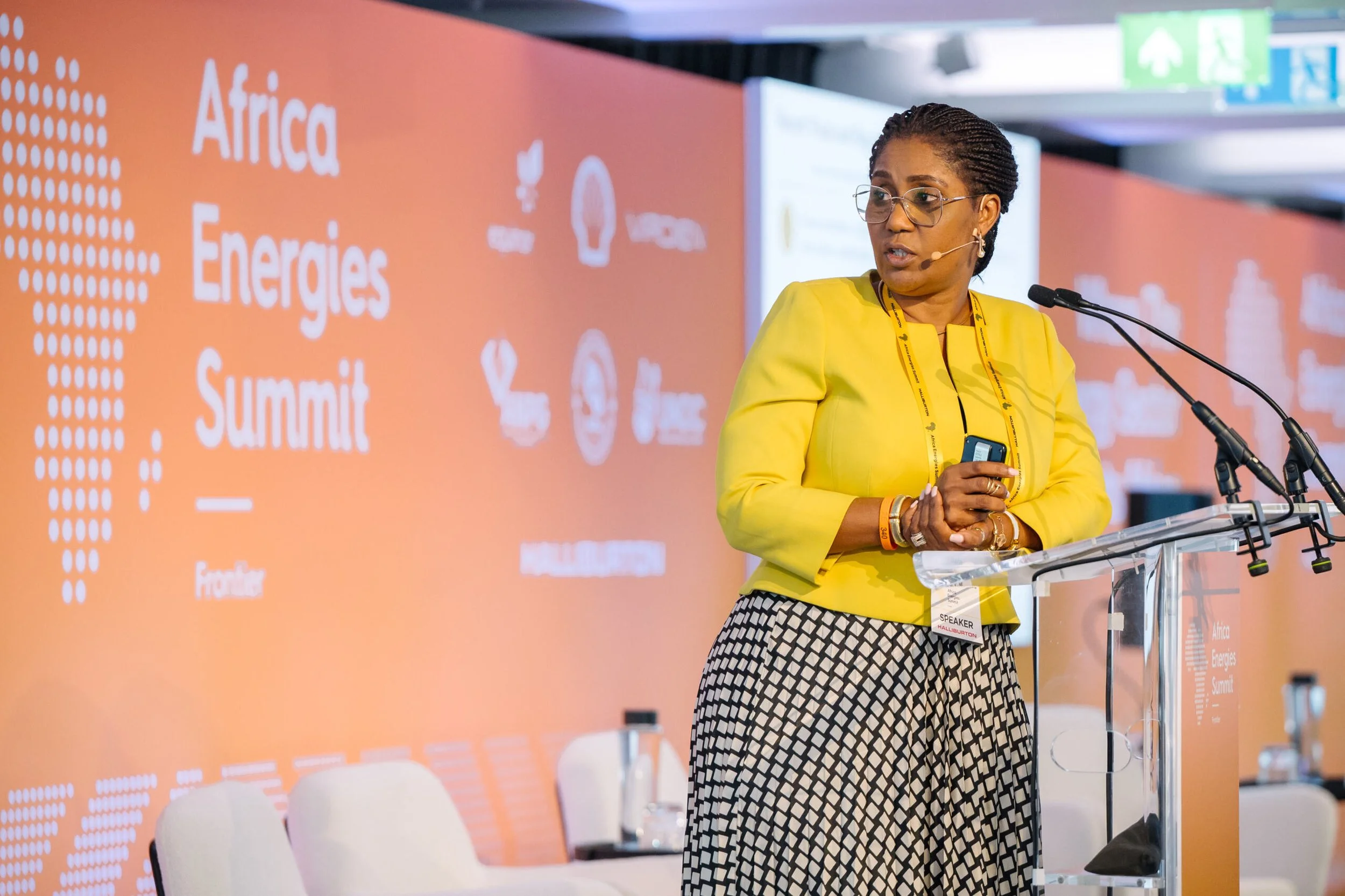
The African Energy Chamber has reaffirmed its decision to continue boycotting the forthcoming Africa Energies Summit in London, citing unresolved concerns over local content and what it described as exclusionary hiring practices.
The chamber stated on Monday that it would not reverse its position until the organisers demonstrate a clear commitment to improving African representation, particularly among Black African professionals, in leadership and decision-making roles at the Africa-focused event.
According to the chamber, repeated engagements with the summit’s organisers have failed to yield meaningful reforms, prompting a shift from dialogue to what it termed “accountability”.
The Executive Chairman of the chamber, NJ Ayuk, said it was unacceptable for platforms centred on Africa’s resources and development agenda to exclude Africans from positions of influence.
“Our position remains the same: if you benefit from Africa’s resources and its development agenda, then you must reflect Africa in your leadership, hiring and decision-making,” Ayuk said. “Local content must move beyond rhetoric to tangible inclusion, opportunity and ownership.”
The continued boycott comes amid growing withdrawals by stakeholders across the continent. Industry players in Mozambique’s oil and gas sector earlier pulled out of the summit, while Ghana has also announced it will not participate, citing similar concerns over representation and alleged discriminatory practices.
The chamber noted that the withdrawals reflect a broader stance within the African energy sector, stressing that stakeholders are increasingly unwilling to support initiatives perceived to sideline local professionals.
Ayuk, speaking at recent industry gatherings, reiterated the need for Africa-driven solutions to the continent’s energy challenges. He highlighted the importance of strengthening domestic refining capacity and supporting indigenous companies as part of efforts to address energy poverty and enhance economic development.
He pointed to major projects such as the Dangote Refinery, as well as the role of local firms, as evidence of the continent’s capacity to lead its own energy transformation.
The chamber also raised the issue at the Namibia International Energy Conference, where it advocated stronger local content frameworks and greater inclusion, including increased participation of women in the sector.
It warned that practices perceived to undermine African participation could pose risks to long-term energy development across the continent, particularly in emerging markets such as Namibia and Mozambique.
Ayuk further cautioned that the chamber may intensify its campaign against the summit and extend scrutiny to companies that continue to support what it described as “anti-African policies”.
The chamber maintained that its stance is not aimed at exclusion but at ensuring fairness, representation and mutual respect in engagements concerning Africa’s energy future. It added that the boycott would remain in place until concrete steps are taken to address its concerns.
Related Stories

Sign up for our newsletter.
Get the latest news, expert analysis, and industry insights delivered straight to your inbox. Join thousands of professionals shaping the future of energy.
By submitting my information, I agree to the Privacy Policy and Terms of Service.