Oil & Gas
Africa Faces Higher Carbon Emissions as Fossil Fuels Stay to Power Supply - Study
A plant-by-plant audit of 3,139 power stations projects a 57 per cent jump in electricity generation by 2030. Renewables nearly double their share of the mix, but fossil fuels keep the majority, carbon emissions climb almost a fifth, and a fresh push into hydropower runs straight into a continent already short of water.
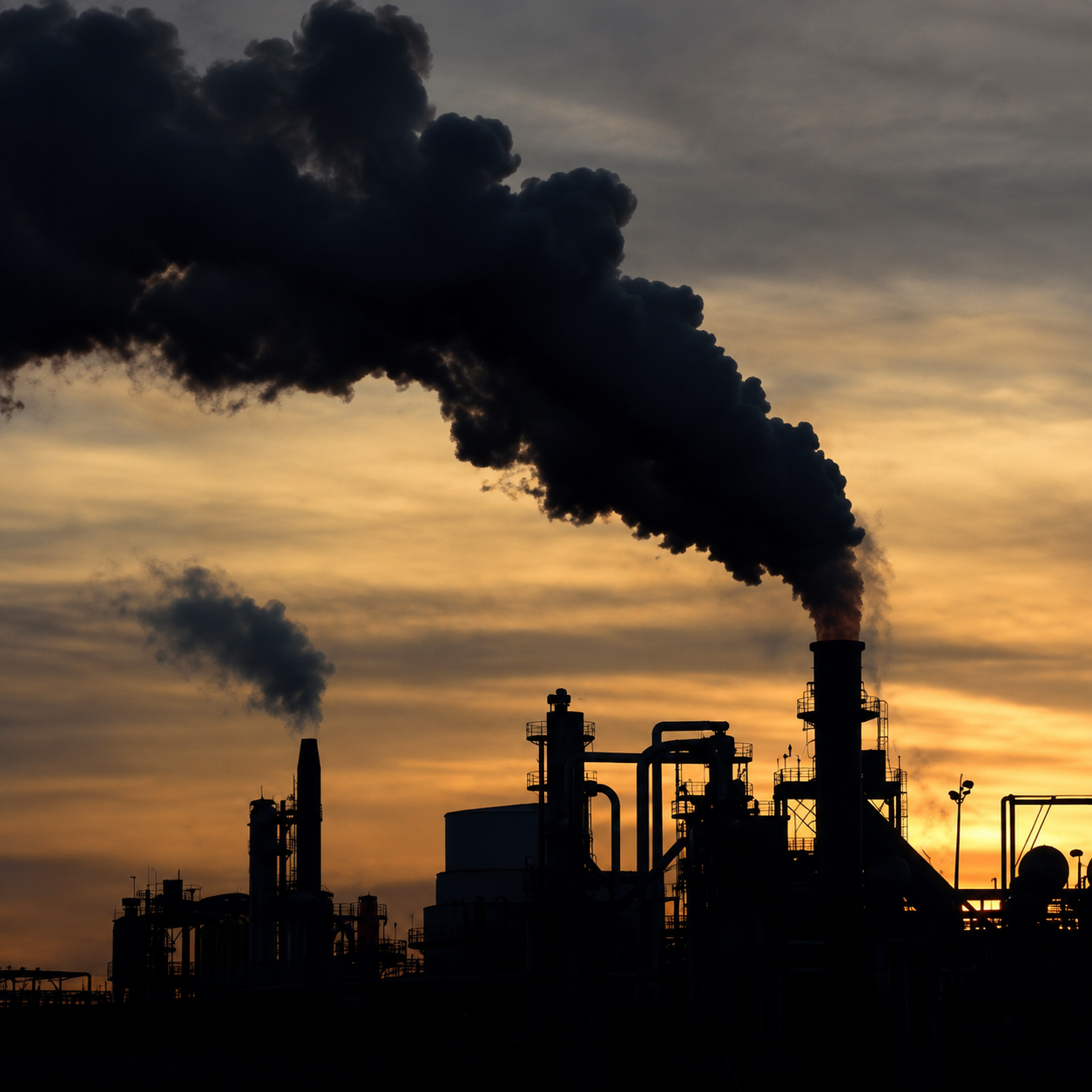
Africa's effort to provide more electricity will come with a sharp rise in carbon emissions if many countries continue to build coal and gas power plants, a new study has warned.
Researchers found that fossil fuels will still produce 61 per cent of Africa's electricity by 2030, even though renewable energy will continue to expand.
The study looked at 3,139 power plants that are operating, under construction or planned in African countries.
Fossil fuel projects raise climate concerns
The study, published in Nature Communications, said electricity production in Africa will increase by 57 per cent before the end of the decade.
Renewable energy will also improve its share of power generation from 19 per cent to 34 per cent. Even with this progress, coal, oil and gas will still provide most of the continent's electricity.
Researchers said new gas-fired power plants in Algeria, Libya, Nigeria, Tanzania and South Africa, together with planned coal plants in Nigeria, Zimbabwe and Botswana, will lead to a 19 per cent increase in carbon dioxide emissions by 2030.
The study said this trend could make it harder for African countries to achieve their climate goals under the Paris Agreement.
About 57 per cent of Africans currently have access to electricity. Many people without power live in sub-Saharan Africa.
The United Nations wants everyone to have access to electricity by 2030, making it necessary for countries to build more power projects.
Clean energy offers a lower-risk option
The report said hydropower will also play a bigger role in Africa's energy plans, with major projects planned or under construction in Nigeria, the Democratic Republic of Congo, Ethiopia and Mozambique.
However, the researchers warned that expanding hydropower could increase water use by 73 per cent. This could create fresh problems in areas already dealing with drought.
The study pointed to the 2024 drought in southern Africa, when low water levels at Zambia's Kariba Dam caused daily power cuts. It also said large dams can affect rivers, reduce fish populations and threaten wildlife such as crocodiles and hippos that support tourism.
The researchers said solar and wind power provide a cleaner option because they use very little water, produce far fewer emissions and can be built within one or two years.
Countries such as Morocco, South Africa, Egypt, Namibia, Kenya and Ghana are already investing in these technologies.
The study called on African governments to plan energy and water policies together as they work to meet the continent's rising electricity demand.
Related Stories

Sign up for our newsletter.
Get the latest news, expert analysis, and industry insights delivered straight to your inbox. Join thousands of professionals shaping the future of energy.
By submitting my information, I agree to the Privacy Policy and Terms of Service.