Oil & Gas
Lamu Refinery Plan Opens New Contest for East African Fuel Supply
Dangote’s proposed Kenyan project and a rival Tanzania-Uganda energy hub have placed refinery capacity, crude routes and regional fuel security on a new footing.
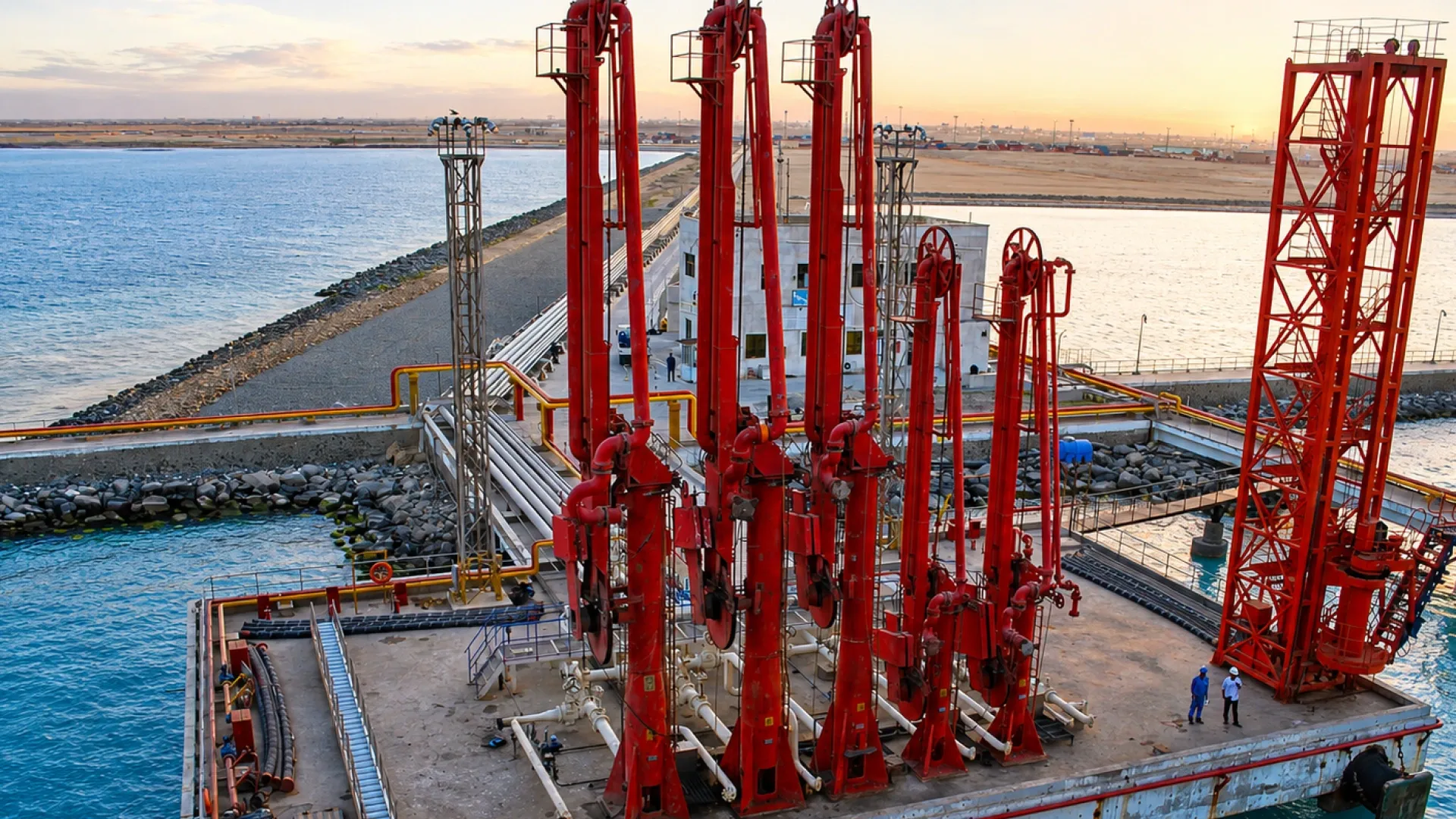
Aliko Dangote’s plan to build an oil refinery in Lamu, Kenya, has set up a contest between two emerging petroleum corridors in East Africa, with Tanzania and Uganda already unveiling a rival energy hub in Tanga.
The contest took clearer shape after Dangote chose Kenya for the proposed refinery, abandoning an earlier plan for Tanzania. His choice was influenced by Kenya’s larger economy, higher fuel consumption, the advantages of Lamu’s deep-water port and faster bureaucratic procedures.
The refinery, if completed by 2030, could serve East African and other African markets, giving the region a major processing base at a time when disruptions in international shipping routes have exposed the risks faced by fuel-importing economies.
The proposed plant also comes as Dangote expands the reach of his Lagos refinery, which supplies more than 70 per cent of Nigeria’s domestic fuel market and exports petroleum products to Togo, Cameroon, Côte d’Ivoire, Angola, Tanzania and Ghana.
Its products have also entered the United States aviation fuel market, while the refinery recently surpassed American suppliers as Europe’s largest source of jet fuel.
Tanga enters the contest
Dangote’s decision on Lamu did not leave Tanzania and Uganda waiting.
On August 6, 2026, the two countries announced a partnership with Vitol Bahrain to develop the Tanga Regional Energy Hub. The project is expected to accommodate refining, storage, logistics, trading and distribution facilities.
The hub is tied to Uganda’s petroleum plans through the East African Crude Oil Pipeline, which will carry crude from the Hoima oil field to Tanga on Tanzania’s coast.
Uganda expects oil production of more than 200,000 barrels per day and requires dependable access to the sea as a landlocked country. Tanzania, on its part, expects the project to support industrial activity, employment, foreign investment, port income, transit charges, corporate taxes and domestic fuel distribution.
The two projects could therefore place Lamu and Tanga in direct competition as outlets for crude and refined petroleum products.
Kenya has long held an important position in regional logistics and fuel distribution, but Tanzania’s Tanga project presents another route for countries and companies looking for access to processing and export infrastructure.
President William Ruto disclosed that discussions with Dangote had also touched on opposition from international fuel interests and oil suppliers whom he said preferred Africa to depend on imported Middle Eastern petroleum products.
Ruto said he was prepared to resist such pressure in pursuit of long-term regional energy independence.
Import shocks and export routes
The proposed refinery competition comes against a difficult international backdrop.
Geopolitical tensions, the US-Iran War, disruptions around the Strait of Hormuz and insecurity on the Red Sea corridor have shown the exposure of countries dependent on refined fuel transported across long distances.
A major refinery in East Africa could shorten supply chains and improve fuel availability within the region. It could also reduce import bills and foreign exchange demand, while allowing more value to be retained from African crude before it leaves the continent.
The projects could also create thousands of jobs in construction, engineering, logistics, transport, manufacturing and related services.
South Sudan may have particular interest in the emergence of the two corridors.
The country, East Africa’s largest crude oil producer, is landlocked and currently sends its oil through Sudan to the Red Sea. The war involving the Sudanese Armed Forces and the Rapid Support Forces has repeatedly exposed the vulnerability of that arrangement, with insecurity threatening pipelines, processing facilities and export continuity.
The prospect of new infrastructure in Lamu and Tanga raises possible alternatives for Juba, including a southern pipeline through the LAPSSET corridor, a route through Uganda into the EACOP system or other transport options.
At full capacity, the proposed Lamu refinery and Tanga energy hub could process more than 1.7 million barrels of crude oil per day.
Such capacity would give East Africa two major petroleum platforms, with implications for fuel imports, crude exports, regional trade and industrial activity. The projects also fit within the ambitions of the African Union’s Agenda 2063 and the African Continental Free Trade Area, which promote value addition and trade within Africa.
The contest between Lamu and Tanga is therefore not limited to where a refinery is built. It is also about which routes, ports and processing centres will handle the region’s petroleum business in the years ahead.
Related Stories

Sign up for our newsletter.
Get the latest news, expert analysis, and industry insights delivered straight to your inbox. Join thousands of professionals shaping the future of energy.
By submitting my information, I agree to the Privacy Policy and Terms of Service.