Oil & Gas
Dangote Refinery Cuts Petrol Price to N1,165, Diesel to N1,570
Dangote Refinery's latest reduction in petrol and diesel prices draws attention to the growing role of local refining in improving fuel supply, easing import dependence and shaping Nigeria's downstream market.
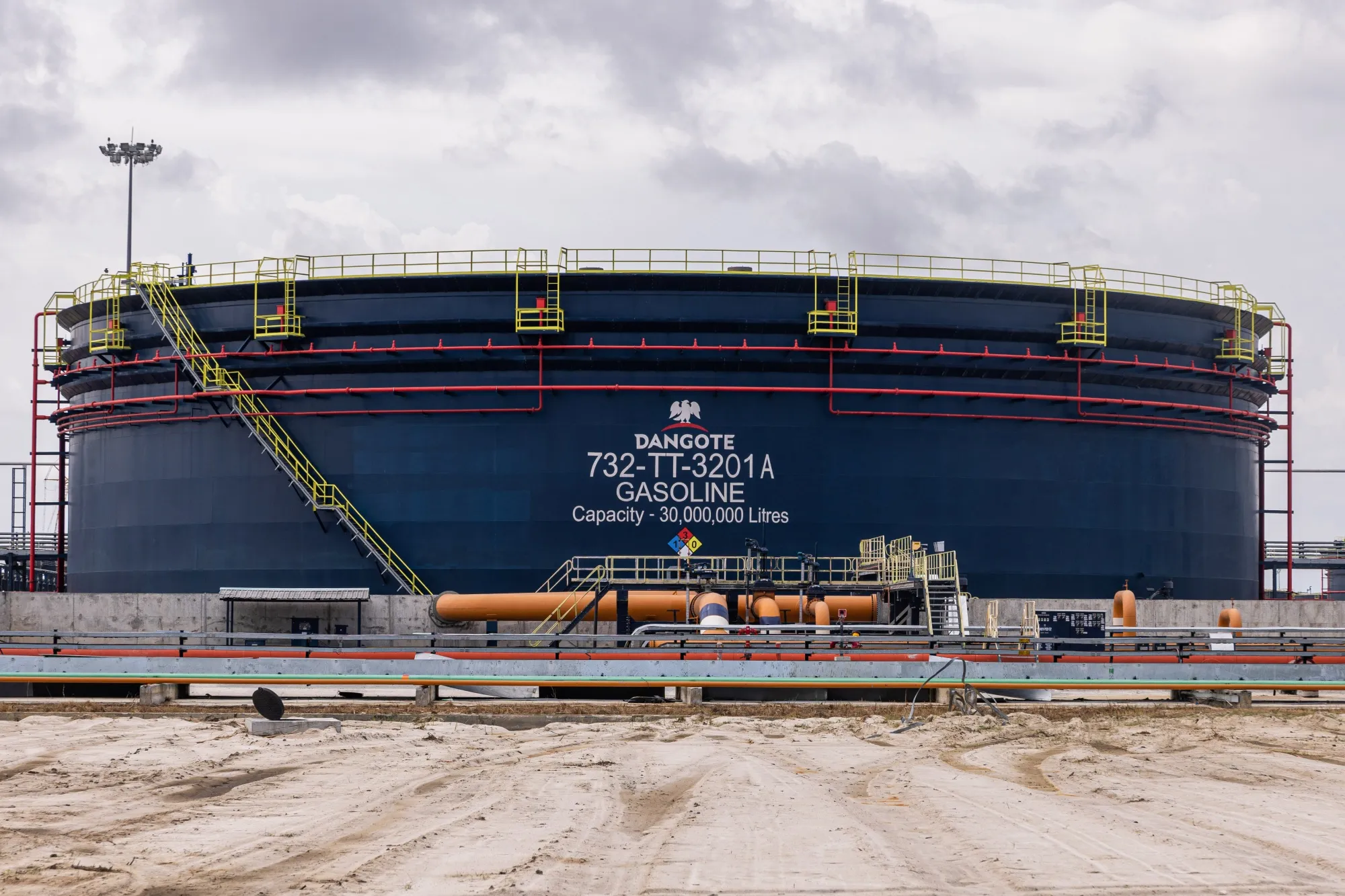
Dangote Petroleum Refinery has reduced the ex-depot prices of petrol and diesel, lowering the wholesale prices of both products as Nigeria's largest refinery continues to expand supplies to the domestic market.
The refinery announced on Wednesday that the ex-depot price of Premium Motor Spirit (PMS), or petrol, had been reduced by N50 per litre to N1,165 from N1,215. It also cut the ex-depot price of Automotive Gas Oil (AGO), commonly known as diesel, by N80 per litre to N1,570 from N1,650.
Although the reduction applies to wholesale purchases, it could influence pump prices if marketers adjust their retail rates to reflect the lower acquisition cost. The development comes as locally refined petroleum products continue to account for a larger share of Nigeria's fuel supply, reducing reliance on imports and giving domestic refiners greater influence over market prices.
The company revealed that the latest review is intended to make fuel more affordable, improve access to refined petroleum products and support economic activities across the country.
Dangote Refinery added that it remains committed to maintaining a steady supply of petroleum products and would continue to lower prices whenever operating conditions make it possible.
The refinery said its operations are helping to strengthen Nigeria's energy security by supplying refined products locally and reducing the country's dependence on imported fuel.
Dangote continues downward price review
The aforesaid reduction follows a series of price cuts by Dangote Petroleum Refinery since it began supplying the domestic market. In July 2026, the refinery reduced the ex-depot price of petrol by N65 per litre, bringing it down to N1,215 from N1,280, while diesel prices were also reviewed downward. The company attributed the reductions to improved operational efficiency and favourable market conditions, saying the objective was to lower energy costs, support businesses and make refined petroleum products more affordable.
Those reductions prompted several marketers to adjust pump prices, reinforcing the refinery's growing influence on Nigeria's downstream petroleum market as domestic refining gradually replaces imported fuel.
Related Stories


Sign up for our newsletter.
Get the latest news, expert analysis, and industry insights delivered straight to your inbox. Join thousands of professionals shaping the future of energy.
By submitting my information, I agree to the Privacy Policy and Terms of Service.