Oil & Gas
Tanzania Reduces Rural Fuel Station Licence Cost to Boost Investment
New licensing rules allow smaller rural petrol stations, simplify approvals and aim to replace unsafe roadside fuel sales with regulated outlets acros s villages and remote parts of Tanzania.
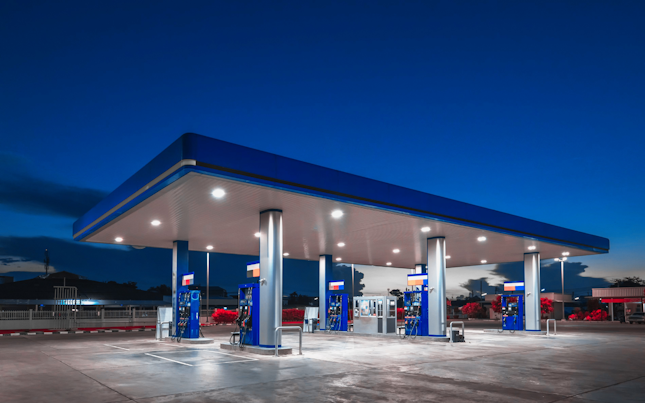
Tanzania has reduced the cost of opening rural petrol stations from about five million shillings to one million shillings under new rules aimed at bringing licensed fuel outlets to villages and remote areas where many people still buy petrol and diesel from unsafe roadside sellers.
The Energy and Water Utilities Regulatory Authority, EWURA, announced the changes at the ongoing Nane Nane Agricultural Exhibition for the Western Lake Zone at Nyamh'ongolo Grounds in Ilemela District, Mwanza Region.
The authority said the new licensing system is meant to attract more investors, improve access to regulated fuel services and reduce the unsafe sale of fuel in bottles, plastic containers and other makeshift storage.
Lower costs open the door
EWURA Lake Region Manager Engineer Nyirabu Musira said the authority has introduced a simpler licensing process to encourage investment in places that have few or no licensed fuel stations.
"Despite the importance of fuel in rural economic activities, many communities still face challenges accessing licensed fuel stations. We also provide information to potential investors who want to invest in the services we regulate so they can understand the necessary procedures and requirements."
Musira said one reason for promoting rural fuel stations at the exhibition is that many people believe such businesses require very high capital.
Under the revised rules, investors can now build smaller fuel stations with a single pump or sell only one petroleum product where demand is low. The authority has also made the documentation process easier.
Applicants can use recommendations from Environmental Officers in local councils, while village government permits can replace full land surveys in unsurveyed villages.
EWURA said the new process is intended to reduce delays without lowering environmental protection and safety standards.
Many rural parts of Tanzania still do not have licensed fuel stations. As a result, residents often travel long distances to buy fuel needed for motorcycles, tractors, fishing boats, irrigation pumps and other equipment used for farming, transport and fishing.
Safety is important
In places without licensed outlets, informal traders often sell fuel in bottles, jerrycans and other containers. EWURA said those methods expose people to serious safety risks because petroleum products are highly flammable.
The authority said licensed stations provide a safer option through approved storage tanks, regulated dispensing systems and established safety procedures.
EWURA also said the reforms are expected to increase the number of licensed fuel stations in villages, improve public safety, support local business activity and reduce unsafe fuel trading.
Farmers, fishing communities, transport operators, health facilities and small industries all depend on reliable fuel supplies for their daily work. More licensed stations are expected to reduce transport costs, improve productivity and help businesses expand.
Musira said EWURA's presence at the Nane Nane exhibition is also giving members of the public an opportunity to learn about regulated services, understand licensing requirements and submit consumer complaints.
The authority said the revised licensing system keeps safety and environmental requirements in place while making investment easier through lower costs, simpler administrative procedures and licensing conditions suited to rural areas.
Related Stories


Sign up for our newsletter.
Get the latest news, expert analysis, and industry insights delivered straight to your inbox. Join thousands of professionals shaping the future of energy.
By submitting my information, I agree to the Privacy Policy and Terms of Service.