Oil & Gas
Dangote Refinery Lifts Nigeria’s Petroleum Exports Sevenfold — Report
Seaborne exports rose to 350,000 barrels per day in the second quarter of 2026 as local imports fell sharply.
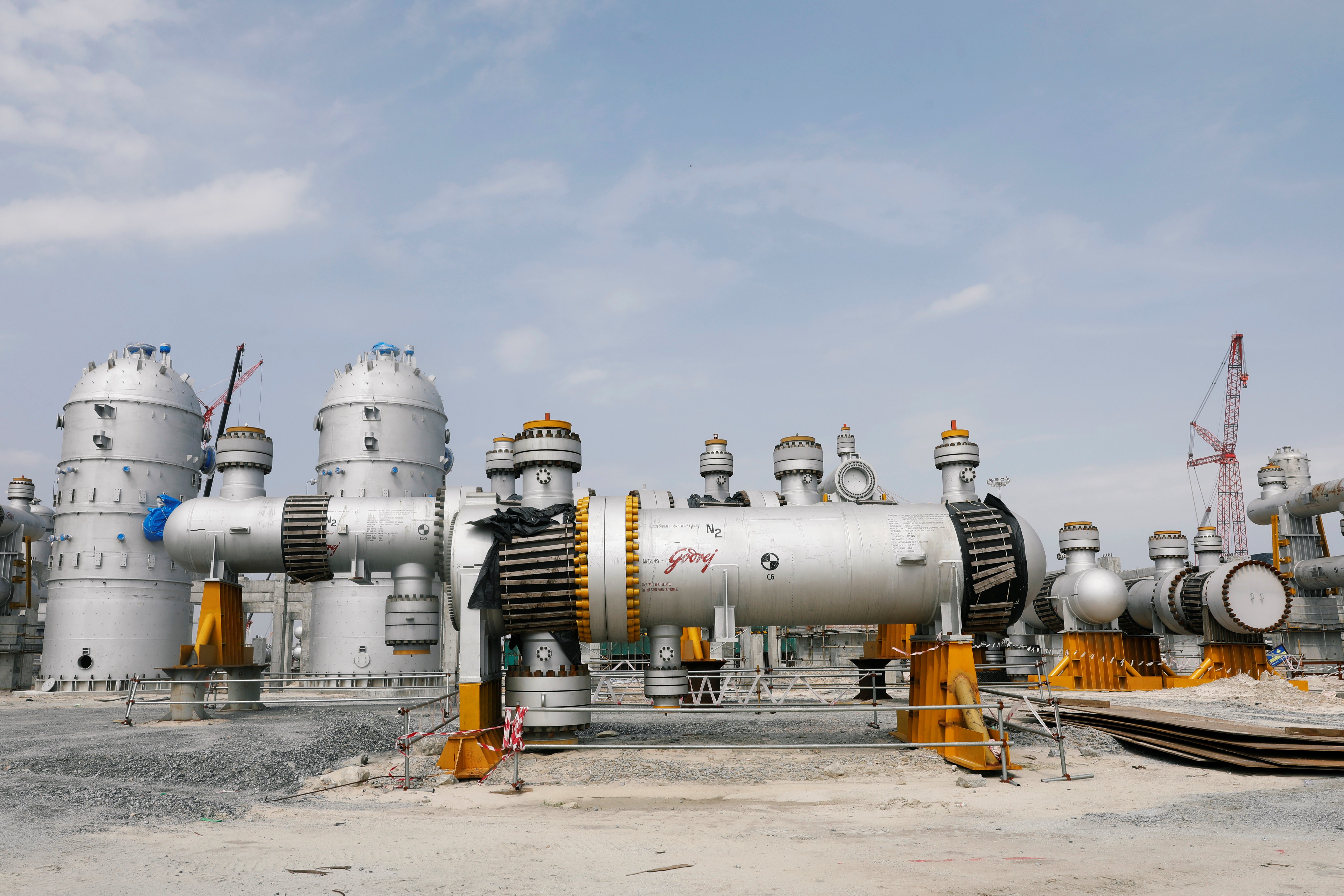
Since 2023, Nigeria’s exports of refined fuel by sea have jumped up seven times. The reason is not farfetched: the presence of Dangote refinery. It is letting Nigeria sell way more fuel abroad and rely less on imports.
Data from Vortexa show that Nigeria’s total seaborne petroleum product shipments averaged 561,000 barrels per day in the second quarter of 2026, compared with an annual average of 79,000 barrels per day in 2023.
Exports accounted for 350,000 barrels per day of the total in the second quarter, up from an average of 46,000 barrels per day in 2023.
The rise came after the Dangote refinery began operations in January 2024 and gained further capacity after maintenance and expansion work ended in February 2026.
The refinery’s crude oil distillation capacity rose from 650,000 barrels per day to 700,000 barrels per day after the work.
Imports fall as local supply rises
Higher production from the refinery has changed the pattern of petroleum product supply in Nigeria.
Before the refinery came on stream, Nigeria’s state-owned refineries shipped less than 100,000 barrels per day of petroleum products by sea to destinations within the country and abroad.
In 2023, Nigeria imported nearly 400,000 barrels per day of petroleum products.
By the second quarter of 2026, seaborne imports had fallen to less than 130,000 barrels per day.
At the same time, shipments within Nigeria climbed sharply. Intra-Nigerian deliveries reached 211,000 barrels per day in the second quarter of 2026, compared with 81,000 barrels per day in 2025 and 33,000 barrels per day in 2023.
The larger volume of locally supplied products reduced Nigeria’s need to depend on foreign cargoes for refined petroleum products.
Nigeria’s export business also expanded outside its borders.
Shipments to Europe averaged 130,000 barrels per day in the second quarter of 2026. That was far above the 40,000 barrels per day recorded in 2025 and the 15,000 barrels per day average in 2023.
Exports to other African countries reached nearly 120,000 barrels per day during the same period, rising from 89,000 barrels per day in 2025.
The increase in shipments came as product trade through the Strait of Hormuz faced disruption and supplies from other areas came under pressure.
Nigeria’s larger refinery output therefore entered international markets at a time when some traditional supply routes were constrained.
Capacity set to rise again
The Dangote Group plans another major expansion of the refinery.
Under the plan, a second crude oil distillation unit with a capacity of 750,000 barrels per day is expected to be installed by 2028.
The proposed unit would double the refinery’s capacity and could further increase the volume of petroleum products available for Nigeria and export markets.
The figures show a major change from 2023, when Nigeria imported nearly 400,000 barrels of petroleum products daily and exported only about 46,000 barrels per day by sea.
Three years later, exports have reached 350,000 barrels per day in the second quarter of 2026, while imports have fallen below 130,000 barrels per day.
Related Stories

Sign up for our newsletter.
Get the latest news, expert analysis, and industry insights delivered straight to your inbox. Join thousands of professionals shaping the future of energy.
By submitting my information, I agree to the Privacy Policy and Terms of Service.