Oil & Gas
Dangote Sets October Start for $16bn Lamu Refinery
The planned Lamu refinery could reshape East Africa’s fuel supply by reducing dependence on imported petroleum products, creating a major regional refining hub and strengthening Kenya’s position in the energy market.
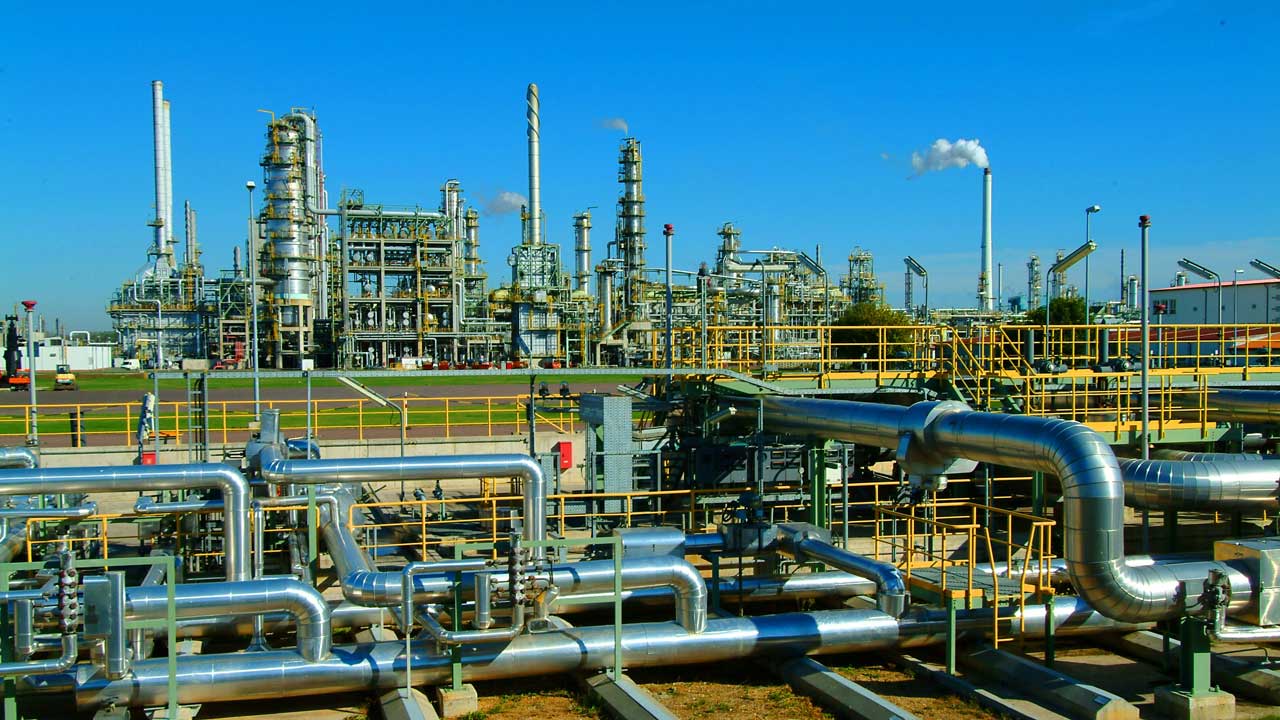
Construction of the proposed Lamu oil refinery is expected to begin in October 2026, with Nigerian industrialist Aliko Dangote saying preparations for the project are now at an advanced stage.
Dangote said the refinery would serve not only Kenya but a wider East African market, as part of an effort to increase refining capacity on the continent and reduce dependence on imported petroleum products.
“The plans for the refinery have gone very far with Kenya because what we are trying to do is to make sure that in most African countries we make them sufficient in their own energy needs,” Dangote told the BBC.
He added that groundbreaking would take place no later than October, after which construction would begin. The project will take less than four years to complete.
The proposed facility is designed to process up to 700,000 barrels of crude oil per day, placing it among the largest planned refineries in Africa. Its output would be available to Kenya and other markets in the region, with Dangote saying the refinery could also supply countries as far away as Egypt.
Project Cost Revised Downward
Dangote also disclosed that the estimated cost of the project has been revised downwards to about $16 billion, from an earlier estimate of $17 billion. In Kenya shilling terms, the projected cost has fallen from about KSh2.2 trillion to roughly KSh2 trillion.
He attributed the reduction partly to experience gained from building the Dangote refinery in Nigeria, saying the company expects to complete the Kenyan project faster and therefore spend less on financing.
“We first thought it was going to cost $17 billion, but it will cost less than that, about $16 billion,” he said.
The project will be financed through a combination of equity and debt, with Dangote planning to provide 30% of the funding through equity and raise the remaining 70% through debt.
Once delivered as planned, the refinery would represent a major addition to Kenya’s petroleum infrastructure and could change how the country and its neighbours source refined fuel.
Kenya currently relies heavily on imported petroleum products, while demand for fuel continues to grow across transport, industry and other parts of the economy. A large domestic refinery could therefore reduce exposure to international supply disruptions and shipping costs while providing a new source of regional fuel supply.
The project will generate thousands of jobs during construction and operation, with opportunities spanning engineering, logistics, manufacturing, construction and other support industries.
On its wider significance for East Africa, It lies in the potential creation of a major regional refining base at a time when several African countries are seeking to process more crude locally rather than export raw oil and import finished petroleum products.
Related Stories

Sign up for our newsletter.
Get the latest news, expert analysis, and industry insights delivered straight to your inbox. Join thousands of professionals shaping the future of energy.
By submitting my information, I agree to the Privacy Policy and Terms of Service.