Renewables |Power |Finance
EBRD, EU Backs Egypt's Green Energy With €200m in Funding
The €200 million EBRD-backed package will modernise the electricity grid, enable large-scale renewable integration and cut annual emissions by 22,584 tonnes of CO2 equivalent.
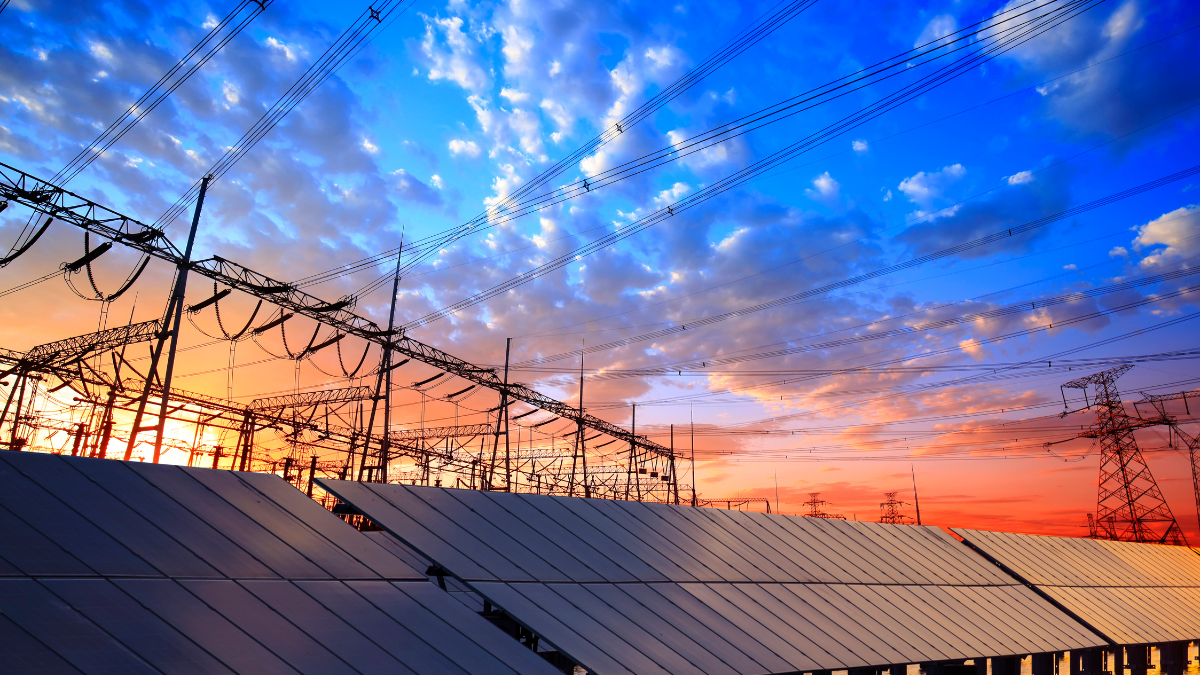
Egypt has received a €200 million financing package backed by the European Bank for Reconstruction and Development (EBRD) to strengthen its electricity transmission grid and accelerate the transition to renewable energy.
The funding, provided to the Egyptian Electricity Transmission Company (EETC), is among the first grid investments under Egypt’s Nexus of Water, Food and Energy (NWFE) programme. It includes an EBRD loan of up to €165 million and an investment grant of up to €35 million from the European Union Neighbourhood Investment Platform.
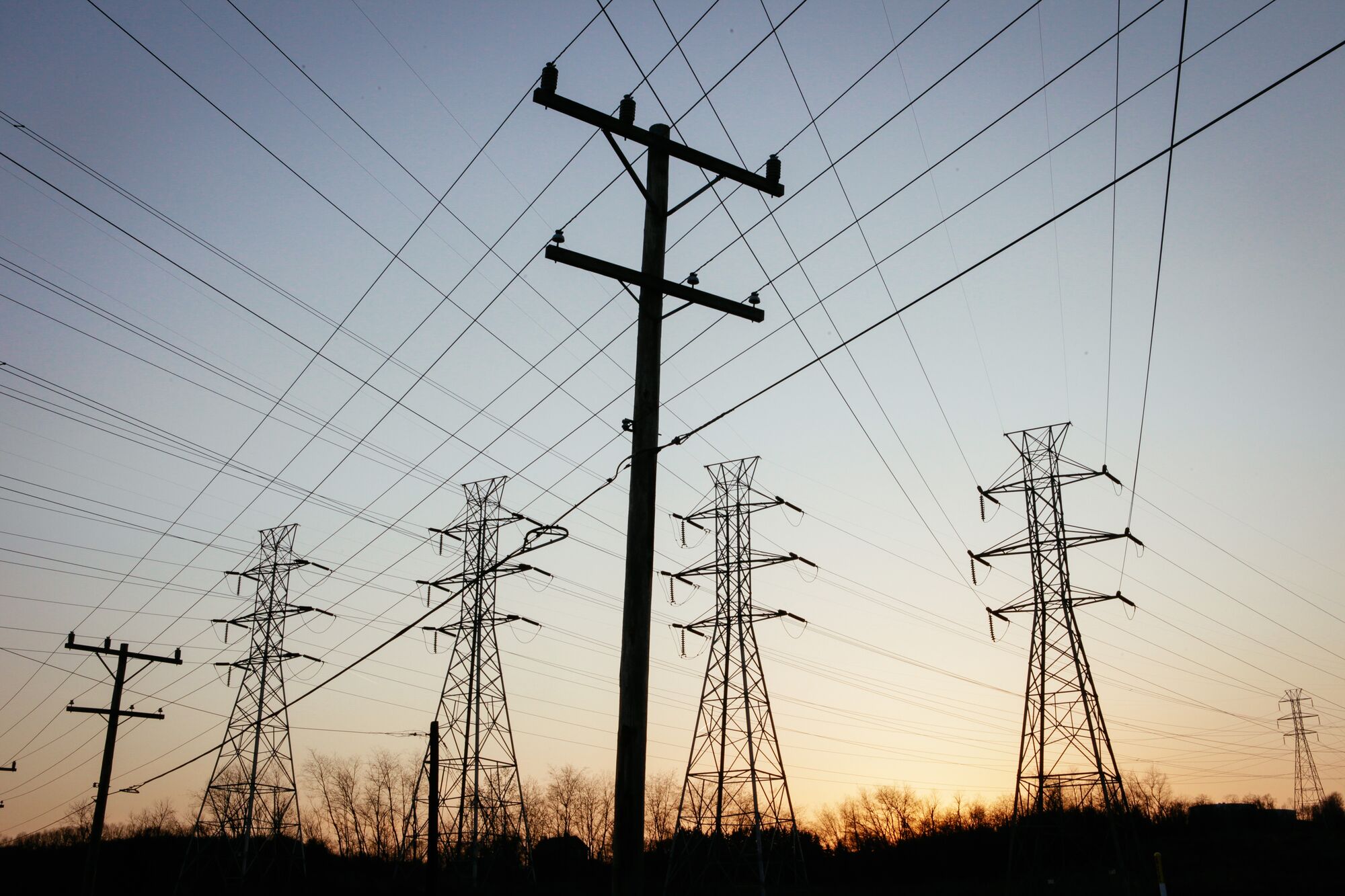
The investment addresses growing electricity demand and the need to integrate large volumes of renewable power into the national grid. Financing will support upgrades to transmission infrastructure, including the modernisation of a 500 kV substation in the Cairo governorate, linked to the planned decommissioning of the Shoubra El Kheima gas-fired power plant.
It will also fund the construction of a high-voltage overhead transmission line to evacuate more than 2.1 gigawatts of renewable energy from the Gulf of Suez region, supporting Egypt’s renewable energy targets and reducing reliance on fossil fuels.
Together, the projects are expected to cut transmission losses and reduce annual carbon emissions by about 22,584 tonnes of CO2 equivalent, while improving grid stability and energy efficiency.
Launched in 2022, the NWFE programme aims to mobilise climate finance and private investment to support Egypt’s green transition. The EBRD is the lead partner for the programme’s energy pillar, which has attracted more than US$500 million in commitments from international development partners.
Minister of Planning, Economic Development and International Cooperation Rania Al-Mashat said the investment underscored the strength of Egypt’s strategic partnership with the EBRD and the EU under the NWFE framework.
“This reflects how blended finance can accelerate Egypt’s green transition,” Al-Mashat said. “By modernising our electricity grid and enabling large-scale integration of renewables, we are reducing emissions, increasing efficiency, and building a more resilient energy system.”
Minister of Electricity and Renewable Energy Mahmoud Esmat described the deal as a “crucial step” towards integrating the 22 GW of renewable capacity targeted by 2030, stressing Egypt’s commitment to reducing reliance on fossil fuels and enhancing grid stability.
EU Ambassador to Egypt Angelina Eichhorst said the EU-backed transmission project was “powering Egypt’s renewable energy revolution,” adding that further initiatives would deepen the integration of private renewable energy producers into the national grid.
EBRD First Vice President Greg Guyett welcomed the agreement as another milestone in cooperation under the NWFE platform, noting that modernising power systems would help Egypt optimise energy costs and build “the energy system of the future.”
Egypt is a founding member of the EBRD, and since operations began in the country in 2012, the Bank has invested more than €13.8 billion across 209 projects.
Related Stories
Sign up for our news letter.
Get the latest news, expert analysis, and industry insights delivered straight to your inbox. Join thousands of professionals shaping the future of energy.
By submitting my information, I agree to the Privacy Policy and Terms of Service.