Renewables |Power
EU Pours €690 Million Into Egypt's Grid Ahead of Europe Power Exports
Egypt plans to connect 22GW of renewable energy to its national grid by 2030 as it expands transmission lines, substations and regional electricity links across North Africa and the Middle East.
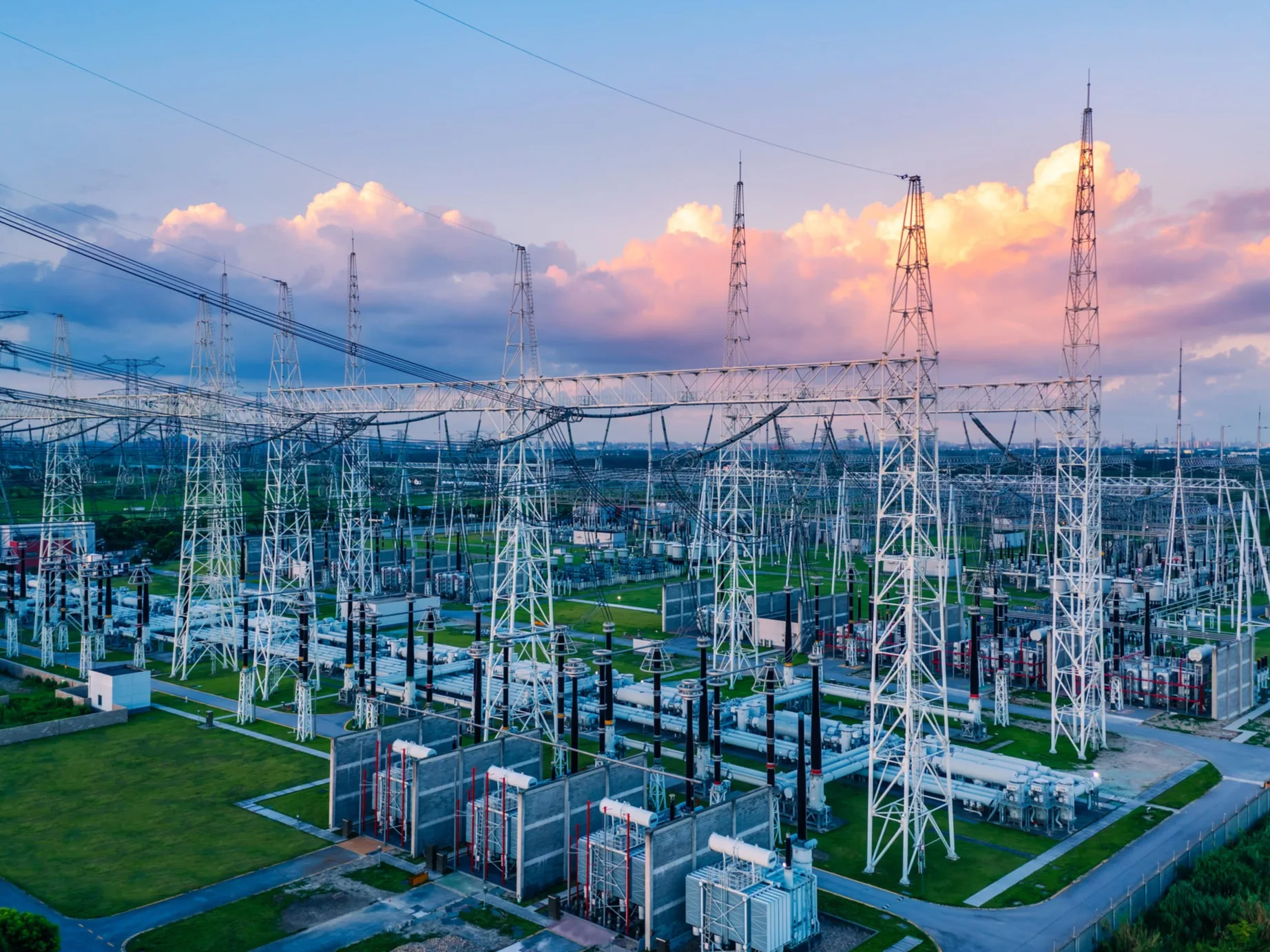
Egypt is putting money into moving electricity across its own country before trying to sell power to Europe. On 15 June, the European Union announced a funding package of up to €690 million for Egypt's electricity transmission network during the EU Egypt Association Council meeting in Luxembourg.
The investment is important because it will help the country carry more renewable electricity long before any planned export cable to Europe becomes a reality.
The meeting was the first Association Council since Egypt and the European Union signed their Strategic and Comprehensive Partnership in 2024.
The funding combines a €600 million loan from EIB Global with up to €90 million in European Commission grants. It is also the first project under the Trans Mediterranean Renewable Energy and Clean Tech Cooperation Initiative, known as T MED.
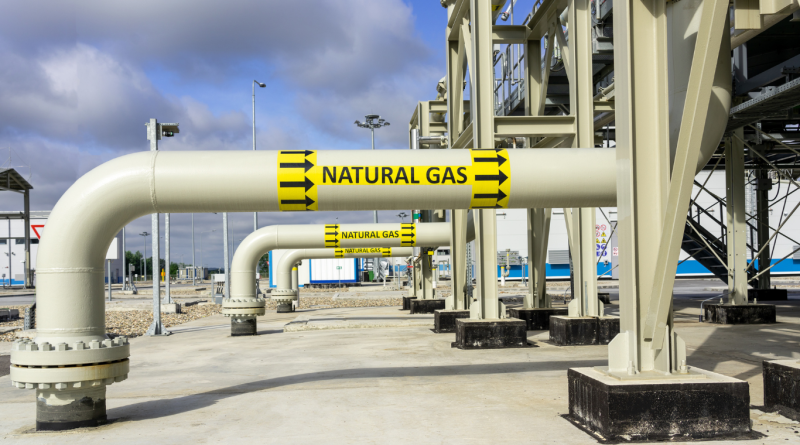
Instead of paying for an international electricity link, the money will be used inside Egypt. The Egyptian Electricity Transmission Company will build substations and high voltage transmission lines to move electricity generated by solar and wind farms in the Red Sea and Gulf of Suez regions into the national grid.
The project is expected to integrate 22GW of renewable energy capacity by 2030, enough to supply around 10 million households.
Building the network first
The planned electricity cable linking Egypt and Greece has attracted plenty of attention, but it is not part of this funding package.
The proposed GREGY interconnector is a separate project being developed by Elica Interconnector, part of Greece's Copelouzos Group. The cable would stretch about 1,000 kilometres across the Mediterranean and carry up to 3GW of electricity between Egypt and Greece.
It has political backing from Egypt, Greece and the European Union and could become one of the first large scale routes bringing renewable electricity from North Africa into the European market.
For now, however, the focus is on strengthening Egypt's own electricity network. A country cannot export electricity if it cannot move enough power within its borders.
European funding will cover 44 per cent of the transmission programme, while the Egyptian Electricity Transmission Company will provide the rest from its own resources. The phase backed by the European Investment Bank will run from 2027 to 2030, with borrowing handled through the Central Bank of Egypt.
More projects join the plan
The transmission project is one part of a wider programme to expand Egypt's electricity system.
In July, the Egyptian Cabinet approved another €37 million under the Nexus of Water, Food and Energy programme. That package includes a €35 million European Union investment grant and €2 million in technical cooperation from the European Bank for Reconstruction and Development.
At the same time, an Egyptian and Emirati consortium committed about EGP20 billion, or roughly $391 million, to build a 500kV transmission line connecting renewable energy projects in the Gulf of Suez.
New electricity generation is also being added.
The African Development Bank approved up to $66 million for the first phase of the 500MW Dandara solar project in Qena Governorate.
The project includes 100MWh of battery storage and is expected to become fully operational in early 2028. It is projected to produce about 1,373GWh of electricity each year.
The ministry has also said that 2,500MW of renewable energy capacity will be connected to the national grid during 2026. Egypt is working towards a target of getting 42 per cent of its electricity mix from renewable sources by 2030.
On 26 July, Mahmoud Esmat, Egypt's Minister of Electricity and Renewable Energy, spoke to Egyptian ambassadors and heads of diplomatic missions at the Ministry of Foreign Affairs in the New Capital.
He outlined electricity interconnection projects with Sudan, Libya, Jordan and Saudi Arabia, as well as the planned links with Greece and Italy.
Whether or not the Greece cable is eventually built, Egypt's transmission network will already have been expanded to carry much more renewable electricity across the country.
Related Stories

Sign up for our newsletter.
Get the latest news, expert analysis, and industry insights delivered straight to your inbox. Join thousands of professionals shaping the future of energy.
By submitting my information, I agree to the Privacy Policy and Terms of Service.