Renewables |Power |Oil & Gas
Egypt Plans 2,500GW Renewable Energy Boost for 2026
Egypt’s plan to add 2.5GW of renewable energy by 2026 signals a broader push for energy security, reduced fossil fuel reliance and long-term sustainability as demand continues to rise.
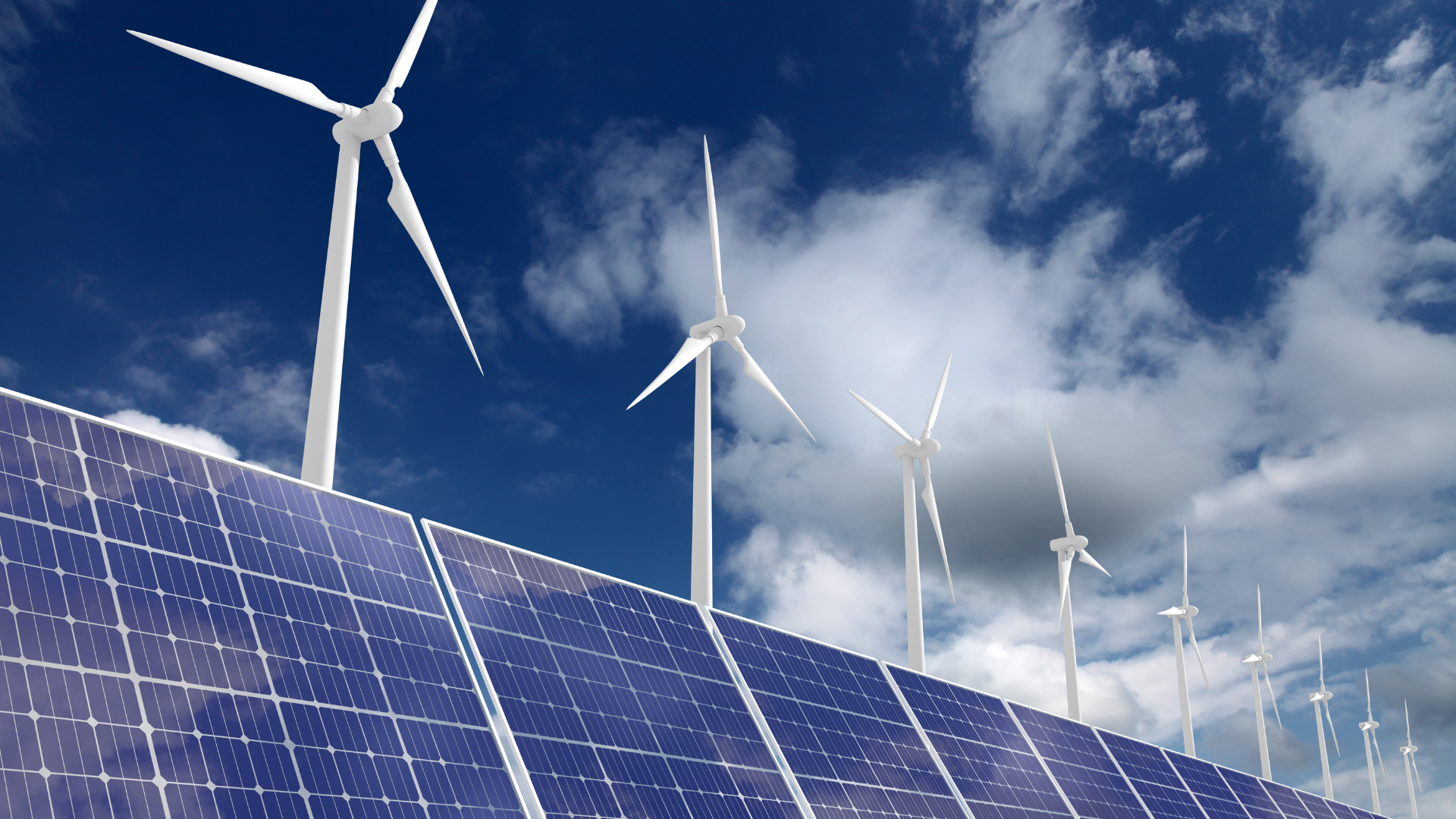
Egypt has unveiled plans to add 2,500 megawatts of renewable energy capacity to its national grid in 2026 as part of efforts to stabilise electricity supply and cut reliance on fossil fuels.
The decision followed a high-level meeting chaired by President Abdel Fattah el-Sisi, alongside Prime Minister Mostafa Madbouly and senior government officials, to review progress on ongoing energy projects.
The proposed expansion will cover solar, wind and battery storage systems under the country’s 2030 energy strategy.
Minister of Electricity, Mahmoud Esmat, said the additional capacity would be integrated into the national grid within the year, noting that the move is expected to enhance efficiency, ensure stable supply and reduce dependence on conventional fuels.
He added that Egypt is reviewing its energy roadmap to ensure renewable sources contribute at least 42 per cent of the national energy mix by 2030.
On the oil and gas front, Petroleum Minister Karim Badawi disclosed plans to settle outstanding payments owed to energy firms before June 2026, while also pointing to new discoveries and upcoming drilling activities aimed at boosting production.
Al-Sisi stressed the need for a balanced approach to energy transition, calling for closer collaboration between the ministries of electricity, petroleum and finance to fast-track clean energy projects and secure funding.
He also underscored the importance of maintaining grid stability amid rising demand, particularly during peak summer periods, while directing authorities to prioritise energy efficiency improvements across the industrial sector.
Related Stories
Sign up for our newsletter.
Get the latest news, expert analysis, and industry insights delivered straight to your inbox. Join thousands of professionals shaping the future of energy.
By submitting my information, I agree to the Privacy Policy and Terms of Service.