Renewables |Power
Ethiopia Opens Power Sector Wider to Private Investors
Backed by a new energy policy, Ethiopia is accelerating plans to become a regional clean energy hub through increased private investment, stronger electricity infrastructure and expanded cross border power trade.
Ethiopia is opening more of its energy sector to private investors as it prepares for higher electricity demand at home and more power sales to neighbouring countries.
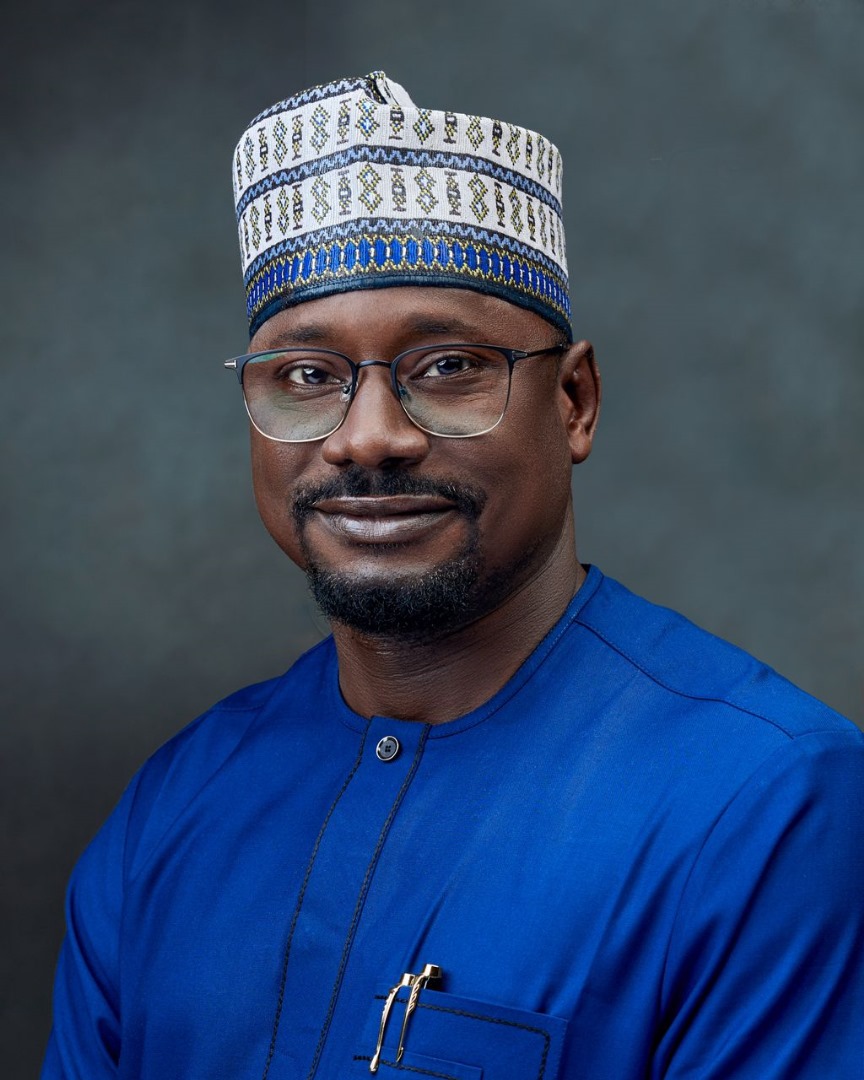
Water and Energy Minister Habtamu Itefa said the country's revised National Energy Policy has already been approved by the Council of Ministers and endorsed by Parliament, giving private firms more room to invest in power generation, transmission and renewable energy.
The policy comes at a time when Ethiopia says electricity use is rising because of industrial expansion, urbanisation and the country's move towards electric vehicles. The government also wants to sell more electricity to neighbouring countries while meeting demand at home.
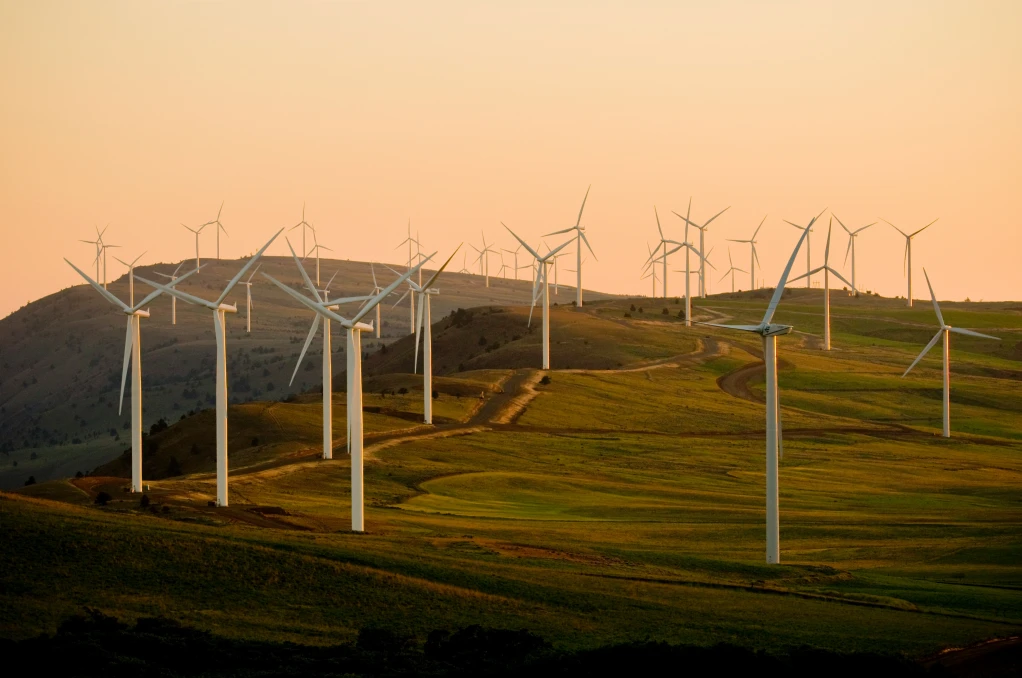
Ethiopia believes it has a strong advantage because of its large renewable energy resources. The country estimates it has 60 gigawatts of hydropower potential, although only part of that has been developed.
As the minister maintained, its rivers, water resources and landscape make it better placed than many nearby countries that still depend on diesel powered electricity.
He said Ethiopia has already built years of experience through major hydropower projects such as Melka Wakena, Koka, Tekeze, Fincha and the Grand Ethiopian Renaissance Dam, also known as GERD.
Opening the sector to investors
Habtamu said the revised National Energy Policy is expected to bring more private investment into electricity generation, transmission and renewable energy projects.
This, according to him, will help Ethiopia produce more electricity for local use, improve its ability to cope with changes in the global energy market and increase electricity exports to neighbouring countries.
The minister said the policy is part of Ethiopia's Homegrown Economic Reform Agenda, which includes changes aimed at opening the energy sector to private investment.
He added that more investment will also support electricity infrastructure and renewable energy projects needed as the country expands the use of electric vehicles.
He said building a successful electric mobility system will require continued investment in electricity generation, transmission lines and charging stations across the country.
Habtamu also noted that recent geopolitical events have shown how important water and energy resources have become around the world.
He said Ethiopia is improving its energy security by moving away from fossil fuels and relying more on renewable electricity.
Looking to supply more neighbours
The minister said Ethiopia already exports electricity to Djibouti, Sudan and Kenya and is working to connect its power network with more neighbouring countries.
He said demand for electricity is rising across the region, creating an opportunity for countries to improve access to reliable and clean power through cross border electricity links.
Habtamu noted that Ethiopia is one of Africa's leading producers of renewable electricity, with hydropower providing most of its power generation.
He said hydropower is one of the cleanest and least costly ways to produce electricity because it generates power without carbon emissions while supporting the country's climate and sustainable development goals.
The minister said Ethiopia also has large solar, wind and geothermal resources that can be developed alongside hydropower.
He said, "Ethiopia is fortunate to possess the natural resources and geographical conditions needed to generate large scale renewable energy. These advantages place the country in a strategic position to supply clean energy across the region."
Habtamu believes combining these renewable energy resources could make Ethiopia not only the energy hub of East Africa but also the energy hub of the African continent.
He said the country's immediate responsibility is to meet rising electricity demand at home before supplying more power to neighbouring countries.
"The assignment before us is clear. We must continue building more dams and generating more electricity. Our responsibility is first to meet Ethiopia's growing energy needs and then to s upply our neighbors," the minister said.
Related Stories
Sign up for our newsletter.
Get the latest news, expert analysis, and industry insights delivered straight to your inbox. Join thousands of professionals shaping the future of energy.
By submitting my information, I agree to the Privacy Policy and Terms of Service.