Renewables |Oil & Gas
German Firms Explore Algeria’s Hydrogen Pipeline Plans
Delegation will examine electrolysers, water supply, storage and the possible conversion of gas pipelines for hydrogen exports to Europe.
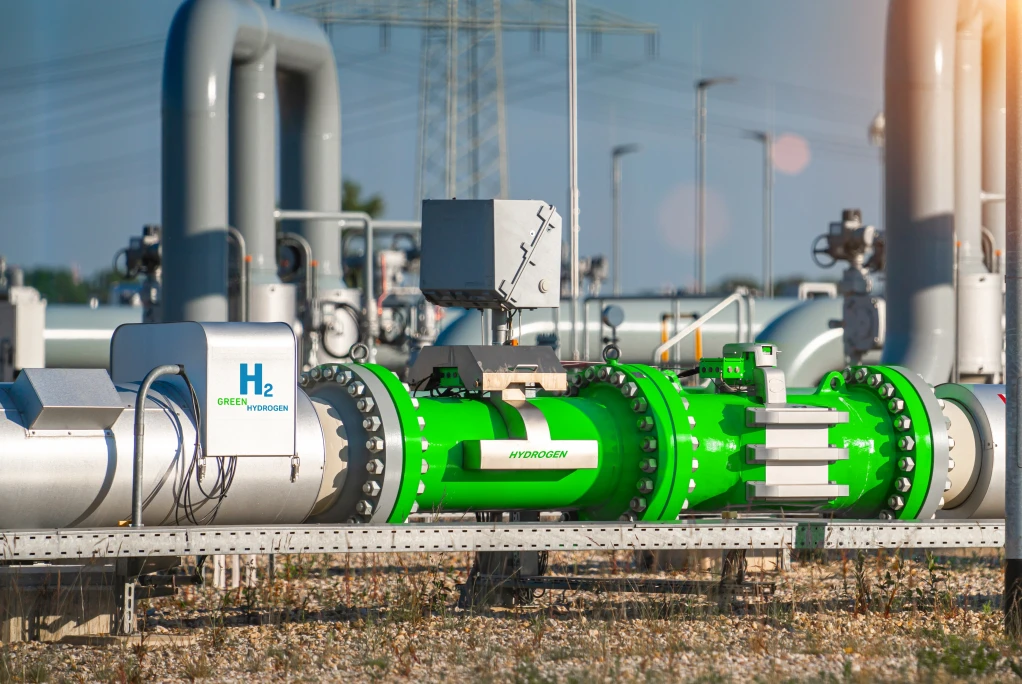
A German business delegation visiting Algiers this month will examine technologies that could help Algeria build a large green hydrogen industry, including systems for producing hydrogen, treating seawater and converting existing pipelines for exports to Europe.
The visit, organised by energiewaechter GmbH with AHK Algérie and its Tunisian counterpart under Germany’s Exportinitiative Energie, will bring together companies working on electrolysis, desalination, hydrogen compression and storage.
Their work is tied to Algeria’s National Hydrogen Strategy and the proposed SoutH2 Corridor, a planned route that could carry hydrogen from Algeria through Tunisia and Italy to Austria and Germany.
Algeria plans to produce about 40 terawatt-hours of renewable hydrogen by 2040 and export between 30 and 40 terawatt-hours to Europe. The country is also considering up to 10 gigawatts of electrolysis capacity by the same year.
The German delegation will meet Algerian partners, including Sonatrach and the Ministry of Energy and Mines, to examine large hydrogen projects and possible export systems.
Water and hydrogen production
Producing green hydrogen requires large amounts of water and electricity. Hydrogen is made by using electricity to split water into hydrogen and oxygen through a process known as electrolysis.
The visiting companies will present alkaline and proton exchange membrane, or PEM, electrolysers.
Alkaline electrolysers are commonly used for large plants because they cost less and can work with different water qualities. PEM systems are better suited to changing supplies from solar and wind power, but they need highly purified water and precious metals for their catalysts.
Water supply is expected to be an important issue because Algeria has a dry climate. Producing one kilogramme of hydrogen theoretically requires about nine litres of water, although many systems use between 15 and 25 litres when purification and other processes are included.
The delegation will therefore examine seawater desalination. Reverse osmosis plants can provide most of the water needed, using about two to four kilowatt-hours of electricity per cubic metre.
Companies will also discuss membranes designed to resist fouling and energy recovery devices that can reduce desalination energy use by up to 40 per cent.
Algeria has less than 600 cubic metres of renewable water per person each year. Civil society groups and local communities have raised questions about how large hydrogen projects could affect water use and the environment.
The mission will also consider ways of handling brine from desalination plants, including diffusion outfalls and zero-liquid-discharge systems.
Pipeline conversion under review
Transporting the hydrogen after production will present another major technical task.
The proposed SoutH2 Corridor could adapt parts of existing networks, including TransMed, to carry hydrogen from Algeria through Tunisia to Italy, Austria and Germany.
Delegates will examine whether pipelines can safely carry hydrogen, which can damage some metals through a process known as hydrogen embrittlement. Special coatings or steel alloys approved for hydrogen service may be needed.
Compressors, valves and safety equipment may also require changes because hydrogen has different properties from natural gas.
The delegation will review systems designed to detect very small leaks and examine certification rules for hydrogen traded across national borders.
Hydrogen can be compressed to between 350 and 700 bar for storage and transport. It can also be cooled to about minus 253 degrees Celsius and turned into a liquid, although that process requires substantial amounts of energy.
German firms will also present multi-stage compressors, including reciprocating, diaphragm and centrifugal systems.
The mission comes after the Algerian-German Hydrogen Task Force was set up through a joint declaration on the production, transport and marketing of green hydrogen and related products.
Algeria is also examining exports of green ammonia, e-fuels, synthetic methane and methanol.
At Arzew, where a 50-megawatt pilot hydrogen plant is planned, companies will discuss ammonia production and the possible use of existing industrial facilities.
Hydrogen can be combined with nitrogen to produce ammonia, which can use established shipping systems in liquid form.
Some scenario analyses cited in the mission material suggest hydrogen exports could improve Algeria’s trade balance by between two and 11 per cent under a faster rollout and create tens of thousands of jobs in electrolysis, desalination and equipment manufacturing by 2035.
As the visit ends, participants are expected to hold workshops, conduct joint studies and consider possible memorandums of understanding for pilot projects.
They will also watch for commercial electrolysis tenders, land allocation for solar-desalination-electrolysis projects and pipeline conversion trials in Tunisia.
Related Stories
Sign up for our newsletter.
Get the latest news, expert analysis, and industry insights delivered straight to your inbox. Join thousands of professionals shaping the future of energy.
By submitting my information, I agree to the Privacy Policy and Terms of Service.