Oil & Gas
Ghana Plans 1,200 MW Gas Plant as Power Demand Rises
The planned facility could give Ghana more power for factories and businesses while strengthening its gas-to-power strategy and reducing reliance on costly liquid fuels.
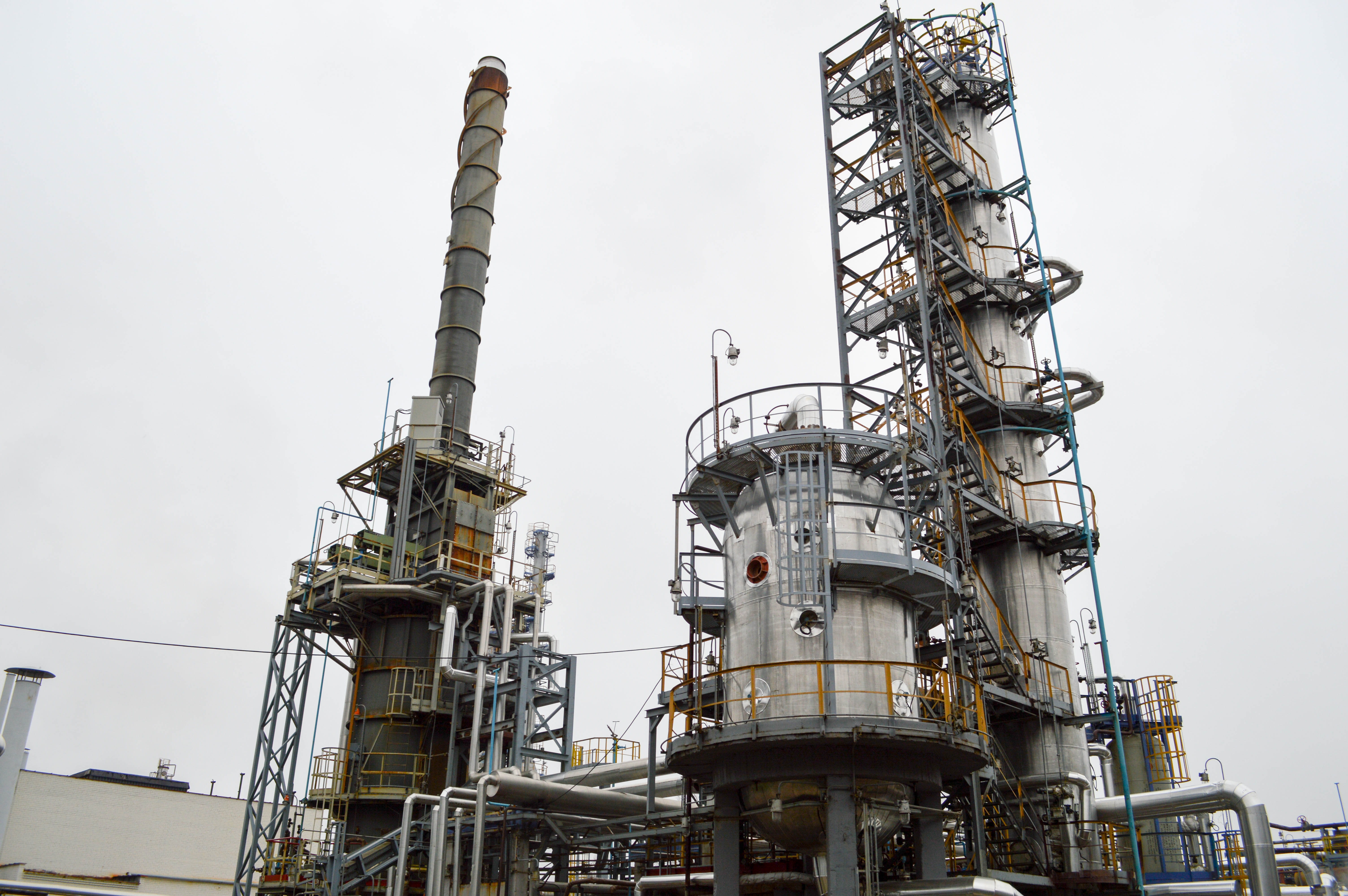
Ghana is planning a 1,200-megawatt state-owned gas-fired power plant as the country tries to keep up with rising electricity demand and provide industries with a more dependable supply of power.
Finance Minister Cassiel Ato Forson announced the project at the Future of Energy Conference 2026, organised by the Africa Centre for Energy Policy (ACEP).
Forson said the plant would provide the electricity needed to support Ghana’s industrial plans.
“Ghana is acting by building a 1,200 MW state-owned gas-fired power plant,” he said.
Once completed, the facility would overtake the 1,020 MW Akosombo Hydroelectric Power Station as Ghana’s largest power plant.
Rising Demand Adds Pressure for New Generation
Ghana is using more electricity than it was a year ago. Peak demand climbed to about 4,300 MW in 2025 from roughly 3,500 MW at the start of Mahama’s administration, adding to the pressure for new power-generation projects.
The government first announced the plant in May and has since provided more details on the project. It is planned for Kafodzidzi-Abrobeano in the Central Region, with the first 600 MW expected to come on stream in 2028. Feasibility studies have been completed, while environmental, engineering and permitting work is continuing.
Ghana is also trying to reduce its reliance on expensive liquid fuels for thermal power plants by using more natural gas. The government says the switch from light crude oil to gas saved GH¢3.08 billion ($268.5 million) in fuel costs during the first half of 2026.
A separate 100 million standard cubic feet per day gas-processing facility is also being developed to increase the supply of gas available for power generation.
That is important because Ghana has previously had to turn to more costly liquid fuels when gas supplies were tight. More power-generation capacity will only help if there is enough gas to keep the plants running.
Forson also pointed to the wider energy problem facing Africa. He said about 600 million people on the continent still do not have access to electricity, while Africa attracts only about 2% of global clean-energy investment.
“We cannot industrialize a continent the world considers too risky to power,” he said.
He added that African governments could not shoulder the cost of new energy infrastructure on their own. According to him, debt-servicing costs in 2025 were equivalent to more than 85% of Africa’s energy investment.
Forson called for guarantees, blended finance, local-currency funding, deeper capital markets and public-private partnerships to bring more money into energy projects.
The plant will sit alongside Ghana’s plans for more renewable energy and, eventually, nuclear power.
Related Stories

Sign up for our newsletter.
Get the latest news, expert analysis, and industry insights delivered straight to your inbox. Join thousands of professionals shaping the future of energy.
By submitting my information, I agree to the Privacy Policy and Terms of Service.