Finance |Oil & Gas
AEW 2026: Ghana's Upstream Gains Meet Downstream Ambitions
Ghana's push to refine more of its own crude draws attention to a wider shift among African oil producers seeking to capture greater value from their resources locally.
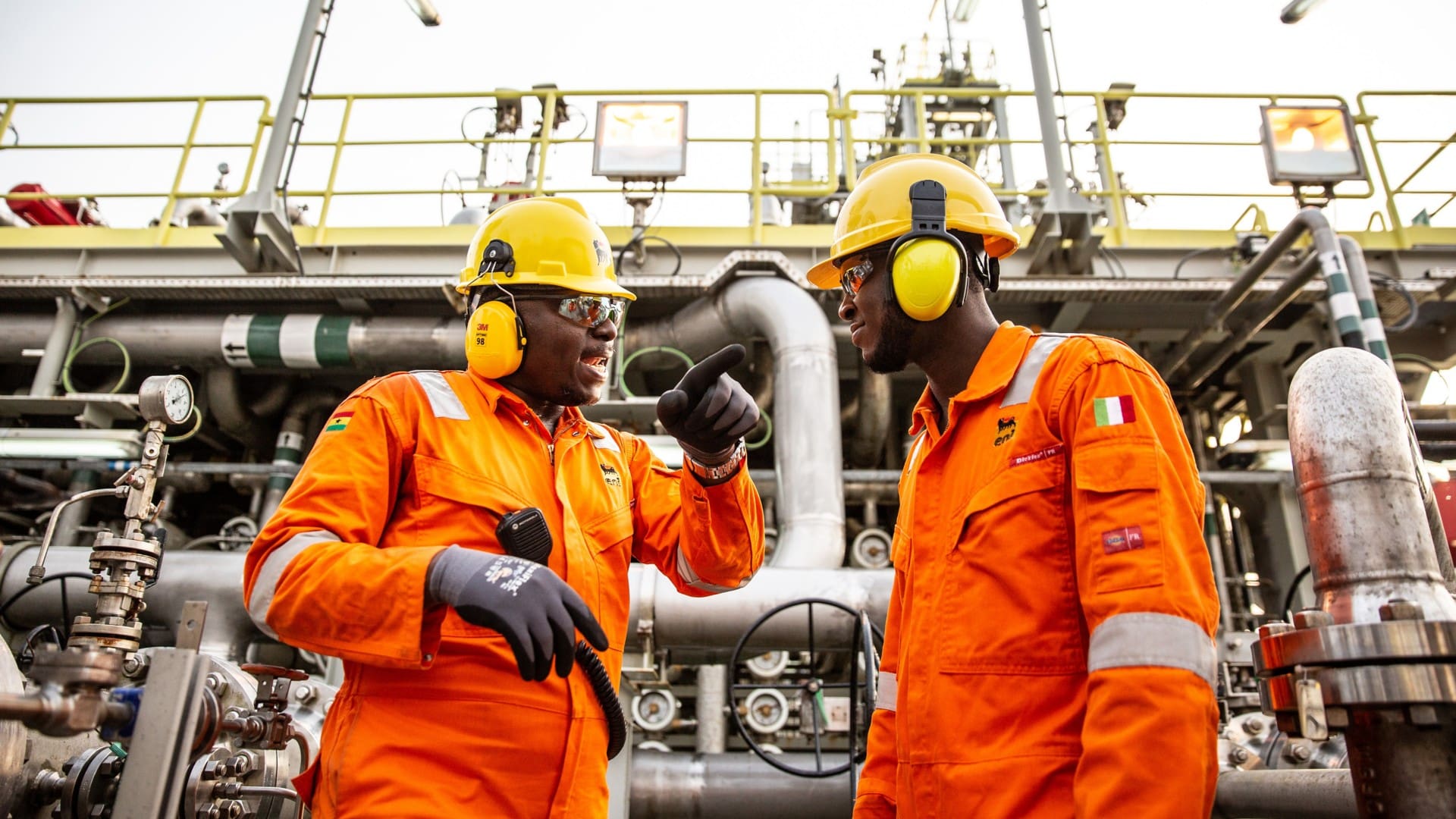
Ghana pumps 126,000 barrels of oil a day but refines only about 13% of the fuel it consumes, and spends roughly $3 billion a year importing petroleum products.
A session at African Energy Week (AEW) 2026, titled "Invest in Ghana: Scaling from Extraction to Production to meet National Energy Ambitions," will look at the investment and policy shifts needed to close that gap and build Ghana into a full value-chain oil and gas producer.
AEW 2026 runs from 12 to 16 October at the Cape Town International Convention Centre.
New capital lifts Jubilee and TEN output
Ghana's upstream output has climbed from about 90,000 bpd to its current 126,000 bpd after the government secured $3.5 billion in new investment commitments from Jubilee Partners and Eni. The Greater Jubilee Plan of Further Development, backed by roughly $2 billion, will fund up to 20 additional wells across the Jubilee and TEN fields.
A separate $1.5 billion agreement with Eni's OCTP partners covers the Eban-Akoma discoveries and a gas infrastructure upgrade aimed at adding 350 million cubic feet a day of supply by 2028.
The government is rewriting the laws and regulations governing the upstream sector to attract more capital, and expects to sign five new petroleum agreements before the end of the year.
Refineries race to cut the import bill
The Petroleum Hub Development Corporation is developing West Africa's first integrated petroleum hub at Jomoro, made up of a 300,000 bpd refinery, a 90,000 bpd petrochemical plant and marine port infrastructure. Energy Minister John Jinapor said in July that an agreement to proceed with the project is close to being signed.
The privately owned Sentuo Oil Refinery is expanding from 40,000 bpd to 100,000 bpd with a $200 million loan arranged by Ecobank Ghana. Tema Oil Refinery has started processing Jubilee crude domestically. The government wants local refining to meet 70% of national fuel demand.
Gas supply underpins both ends of this growth. The Ghana National Petroleum Corporation expects demand to reach 840 million cubic feet a day by 2030, above current output, and the government is putting money into new processing capacity to close that gap.
The AEW session will examine how gas infrastructure investment can keep power plants supplied while feeding the refining and petrochemical projects now under way.
NJ Ayuk, Executive Chairman of the African Energy Chamber, said "Ghana has spent 15 years exporting crude and importing fuel."
He said the country's upstream recovery gives it a chance to change that pattern, and that investors at AEW will want to see the regulatory reforms keep downstream capital flowing.
Related Stories
Sign up for our newsletter.
Get the latest news, expert analysis, and industry insights delivered straight to your inbox. Join thousands of professionals shaping the future of energy.
By submitting my information, I agree to the Privacy Policy and Terms of Service.