Policy & Governance
Ghana’s Green Energy Transition Threatened by Gas Flaring
Rising gas flaring in Ghana’s oil and gas sector is undermining clean energy transition goals, as infrastructure gaps force the country to burn valuable gas amid power supply challenges.
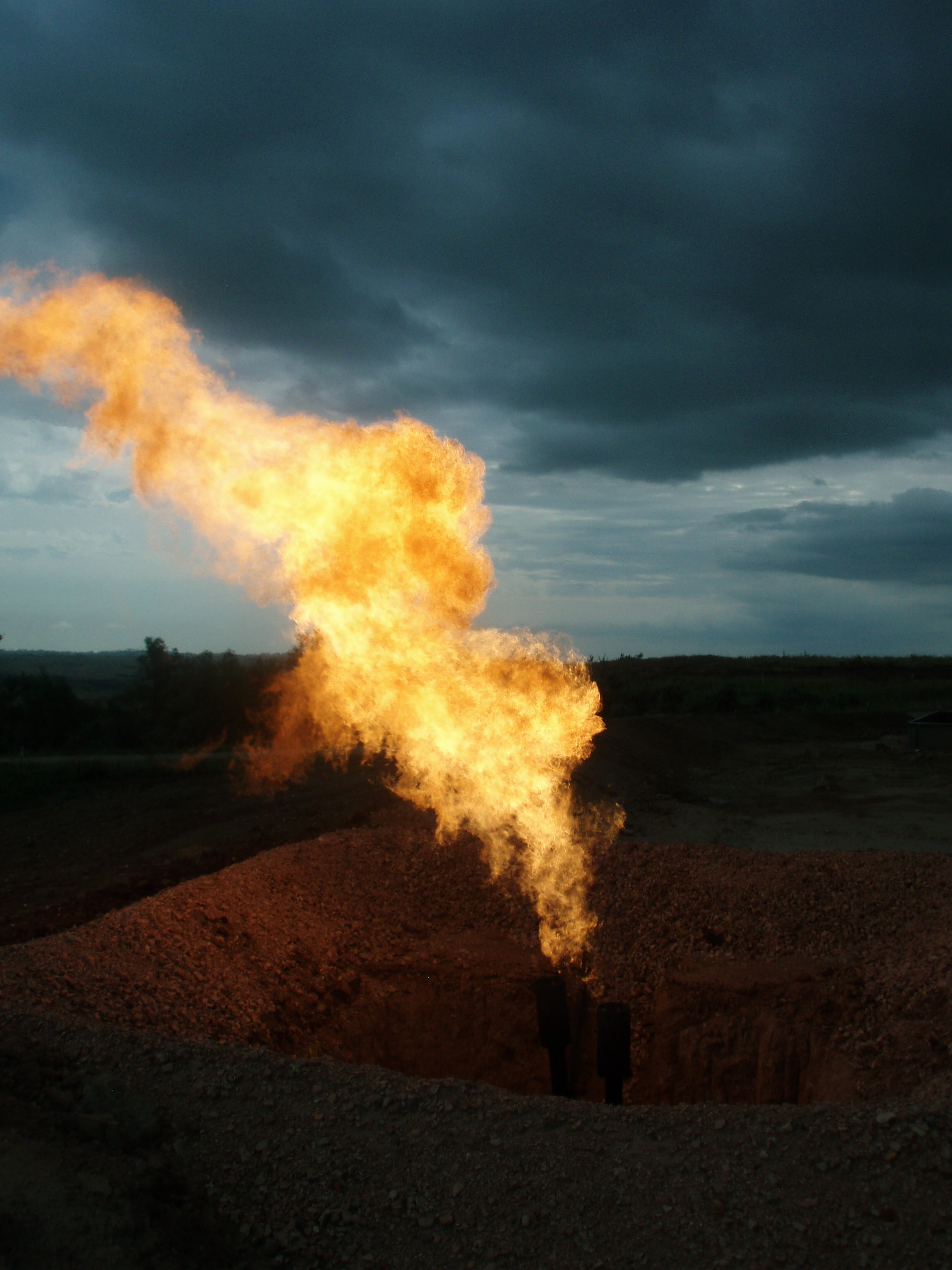
Persistent gas flaring in Ghana’s oil and gas sector is undermining the country’s clean energy transition efforts, according to the 2023 Ghana Extractive Industries Transparency Initiative (GHEITI) Oil and Gas Report.
Gas flaring rose by 14.5% in 2023 to 4.3 billion standard cubic feet, up from 3.7 billion standard cubic feet in 2022. Between 2019 and 2023, total flared gas volumes reached 17.4 billion standard cubic feet, valued at about $1.1 billion, the report said.
The Public Interest and Accountability Committee (PIAC) said the flared gas represents lost resources that could have supported domestic power generation and reduced fuel imports amid ongoing energy supply challenges.
The Jubilee Field accounted for 62% of flared gas, followed by the TEN Field at 31% and the SGN Field at 7%. PIAC attributed the continued flaring primarily to infrastructure limitations, noting that the Ghana Gas Company lacks sufficient capacity to receive and process all gas produced from oil fields.
While gas flaring is sometimes necessary for safety and operational reasons, excessive flaring increases greenhouse gas emissions, contributes to climate change and wastes economically valuable energy resources..
The report said continued flaring has resulted in significant administrative penalties for operators, exposing structural weaknesses in gas processing and transportation infrastructure. Ghana continues to burn gas even as it faces power shortages and high energy costs.
To address the issue, the government inaugurated an implementation committee for Ghana’s Second Gas Processing Plant in May 2025. The facility is expected to expand processing capacity beyond the current 120 million standard cubic feet per day handled at the Atuabo Gas Processing Plant and could reduce fuel imports by up to $1 billion annually.
In December 2025, the Minister of Energy and Green Transition, John Abdulai Jinapor, said the government plans to deploy a laboratory-scale gas processing facility within 12 months to further reduce flaring.
The GHEITI report said sustained investment in gas infrastructure will be critical if Ghana’s oil and gas sector is to align with the country’s broader energy transition and climate goals.
Related Stories
Inside the Legal Dispute Stalling Investment Flow of Ghana’s Oil Industry
Ghana’s IPGs Lauds Mahatma-led Government over Payment of Debt

ADSW: South African Ramaphosa Deepens Climate and Energy Talks at Abu Dhabi Summit
ADSW: Nigerian President Tinubu Visits Abu Dhabi, Seeks to Strengthen Energy Partnerships
Sign up for our newsletter.
Get the latest news, expert analysis, and industry insights delivered straight to your inbox. Join thousands of professionals shaping the future of energy.
By submitting my information, I agree to the Privacy Policy and Terms of Service.