Oil & Gas
Ghana to Roll Out Measures to Cushion Fuel Consumers Soon — Energy Minister
Ghana weighs targeted fuel relief measures as authorities seek to ease consumer pressure while safeguarding fiscal stability and long-term economic resilience.
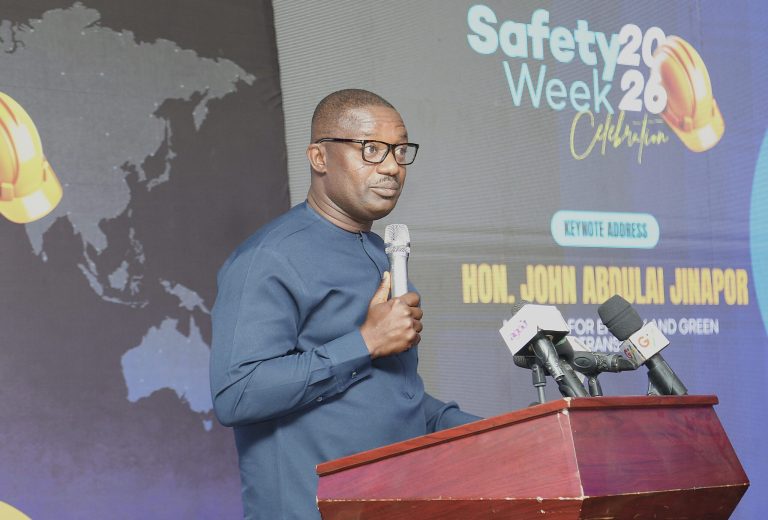
Ghana’s Minister for Energy and Green Transition, Dr. John Abdulai Jinapor, has stated that the government will soon announce measures to cushion fuel consumers while ensuring that the economic gains achieved so far are sustained and does not create long-term economic instability.
According to the Minister, the government has taken note of concerns raised by Ghanaians over the rising cost of fuel and is considering all available options to introduce measures and policies that will ease the burden.
Dr John Abdulai Jinapor gave the assurance at the opening of a three-day Safety Week organised by the Chamber of Oil Marketing Companies (COMAC) in Accra, under the theme: “Manage the Risk Before It Becomes an Incident.”
“Some have suggested removing taxes on petroleum products. While that may sound appealing, it comes at a cost, other sectors such as roads and health would have to make sacrifices,” he stated.
Dr Jinapor outlined a three-pronged approach guiding government policy: ensuring product availability, maintaining fair pricing, and upholding fiscal discipline.
He emphasised that maintaining supply remains the top priority, noting that some countries are grappling with fuel shortages severe enough to disrupt schools and workplaces.
Despite the ongoing Middle East tensions, which have created fuel shortages in some countries and driven up fuel prices, he said Ghana has so far remained resilient due to coordinated efforts between the Ministry, regulators, and industry players.
On pricing, the Minister acknowledged the burden on consumers but warned that poorly structured interventions, such as unsustainable tax cuts, could worsen the situation over time.
“I would rather maintain stable inflation without unsustainable subsidies than offer short-term relief that leads to long-term hardship,” he said.
He stressed that the government remains committed to reviewing petroleum taxes and levies but will proceed cautiously to avoid decisions that could destabilize the broader economy.
“That is prudent economic management,” he added.
Dr Jinapor reaffirmed the government’s commitment to balancing consumer protection with economic sustainability, assuring stakeholders that ongoing consultations with the Finance Ministry and industry players would inform future policy decisions
Related Stories



Sign up for our newsletter.
Get the latest news, expert analysis, and industry insights delivered straight to your inbox. Join thousands of professionals shaping the future of energy.
By submitting my information, I agree to the Privacy Policy and Terms of Service.