Power
Ikeja Electric Plc Implements Load Shedding Amid Reduced Grid Allocation
Ikeja Electric’s load shedding announcement reflects deeper challenges in Nigeria’s power supply chain, highlighting ongoing grid constraints and the need for long-term reforms to ensure reliable electricity distribution.
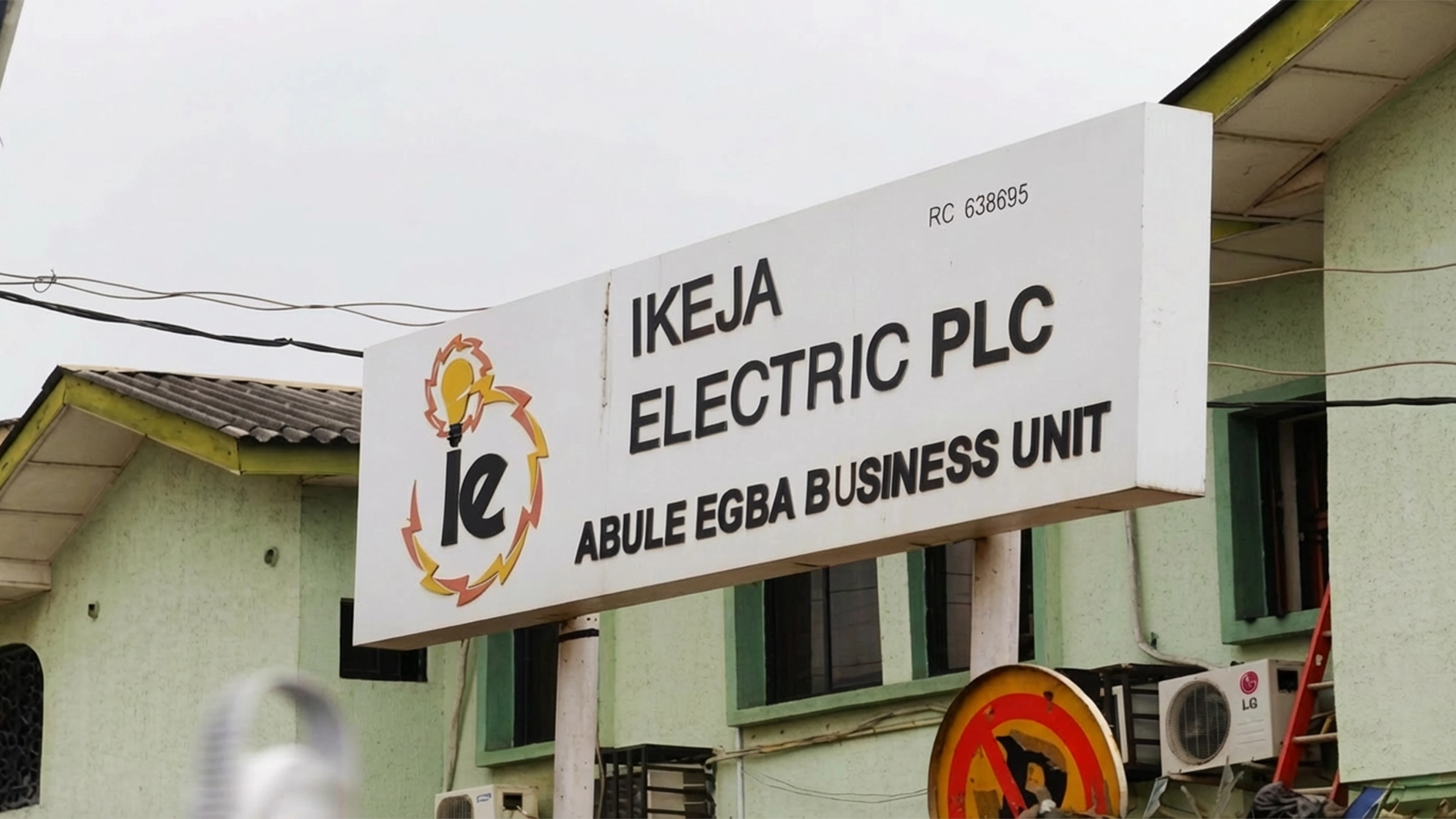
Ikeja Electric Plc on Friday, announced the introduction of temporary load shedding across parts of its network, citing reduced power allocation from the national grid as the cause of ongoing supply disruptions.
In a notice issued to customers obtained by AEP, the electricity distribution company expressed regret over persistent outages affecting several areas under its coverage, attributing the situation to constraints in power supply from the grid.
The utility said the development has necessitated the implementation of controlled load shedding as part of efforts to stabilise the network and ensure a fair distribution of available electricity across its service areas.
Load shedding, a mechanism commonly deployed during periods of supply shortfall, involves the deliberate and temporary interruption of electricity to specific feeders or locations in a rotational manner. According to Ikeja Electric, this approach is intended to prevent a total system collapse while managing limited energy resources more equitably among customers.
The Utility company noted that the reduced allocation from the grid has significantly impacted its ability to deliver consistent power supply, resulting in intermittent outages across both residential and commercial districts. Although specific locations were not detailed in the statement, customers in various parts of Lagos have reported irregular supply patterns in recent days.
In its communication, Ikeja Electric sought to reassure customers that the measure is temporary and forms part of broader efforts to maintain operational stability within the network. The firm emphasised that it is working in coordination with key stakeholders in the power sector to address the underlying supply constraints and restore normal service levels.
“Temporary load shedding is being implemented across affected feeders and locations as part of efforts to maintain grid stability and ensure equitable distribution of available power,” the company said.
The situation highlights ongoing challenges within Nigeria’s electricity value chain, where distribution companies remain heavily dependent on supply from the national grid, which is often constrained by generation shortfalls, transmission bottlenecks and infrastructure limitations.
Industry analysts note that such supply imbalances frequently force distribution companies to ration electricity, particularly during periods of peak demand or when generation capacity is reduced due to technical faults, maintenance activities or fuel supply issues affecting power plants.
For customers, the impact has been immediate and disruptive. Businesses reliant on stable electricity supply face increased operating costs as they turn to alternative power sources such as diesel generators, while households contend with reduced access to essential services.
The company acknowledged these challenges and appealed for public understanding, recognising the inconvenience caused by the current situation.
“We sincerely regret the ongoing power supply challenges currently affecting some areas within our network,” the statement read, adding that efforts are underway to minimise disruptions and improve service delivery as quickly as possible.
Stakeholders in the sector have long called for structural reforms to address recurring issues of inadequate power generation and distribution inefficiencies. Despite incremental improvements in certain areas, the national grid continues to face periodic strain, particularly during times of heightened demand or operational disruptions.
Ikeja Electric reiterated its commitment to engaging with relevant authorities and partners to enhance supply reliability. While it did not provide a specific timeline for the resolution of the current challenges, the company indicated that work is ongoing to stabilise the system and restore more consistent power distribution.
Customers were also advised to remain patient and cooperative during the period of load shedding, as the utility continues efforts to balance supply across its network.
The development underscores the delicate balance required to manage limited electricity resources in one of Nigeria’s most densely populated and economically active regions. Lagos, which falls largely within Ikeja Electric’s distribution zone, remains a major hub for commercial and industrial activity, making stable power supply critical to economic productivity.
As the power sector continues to grapple with systemic constraints, measures such as load shedding are likely to remain a short-term response to supply gaps, even as longer-term solutions are pursued.
Related Stories


Sign up for our newsletter.
Get the latest news, expert analysis, and industry insights delivered straight to your inbox. Join thousands of professionals shaping the future of energy.
By submitting my information, I agree to the Privacy Policy and Terms of Service.
