Analysis
Analysis | Death by Bureaucracy by Daniel Oladoja
Kenya’s $120m clean-cooking giant Koko collapses after carbon credit levies, permit delays and donor cuts—700 jobs lost, 1.5 million users stranded, Daniel poses the hard questions raised about climate regulation and trust.
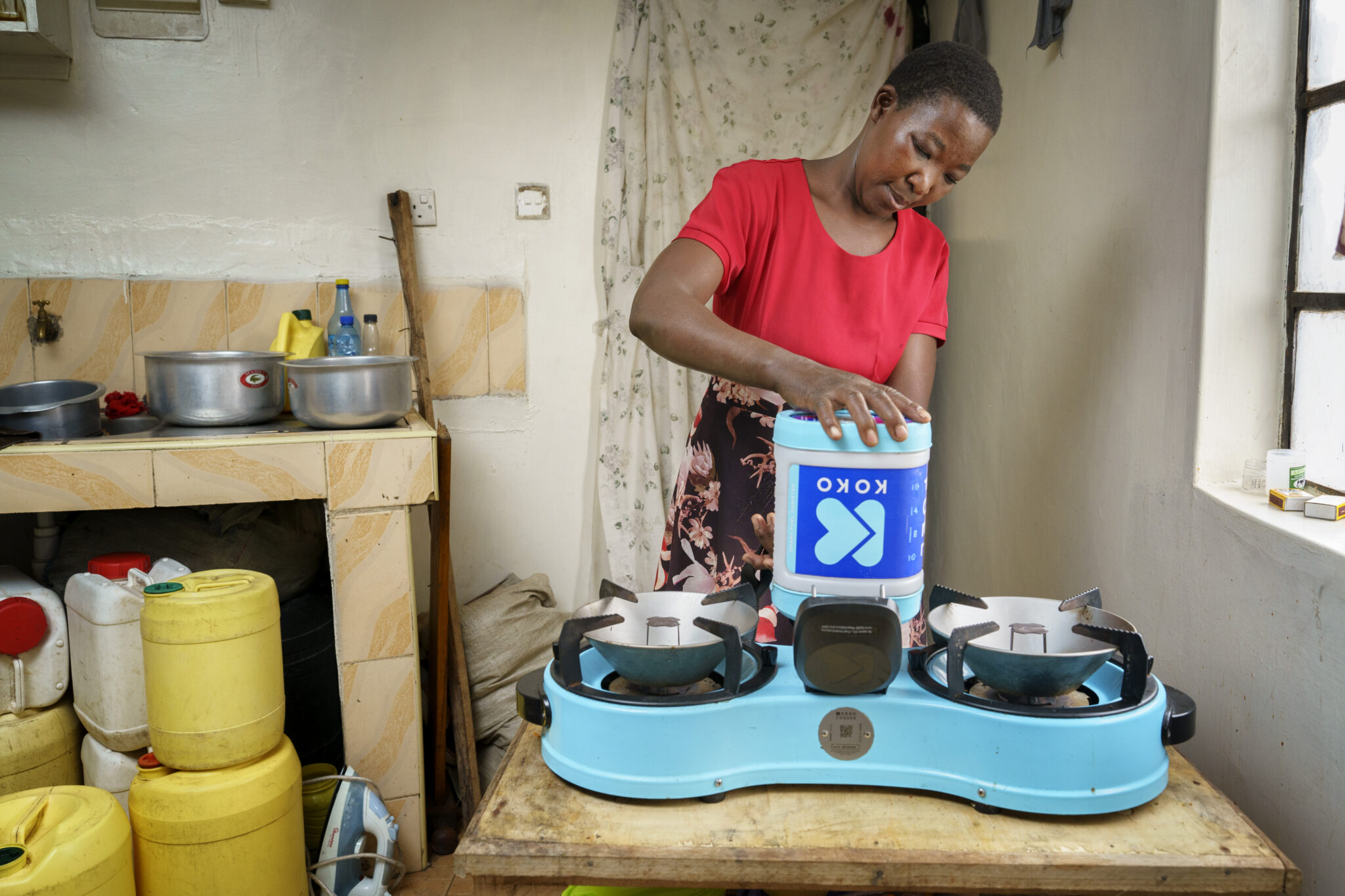
A million and half strong customer base with a staff of 700 people with a revenue of well over a hundred million dollars. That was Koko, a Kenyan based clean cooking startup that subsidized the adoption of clean cooking stoves while trading the emissions offset for carbon credits. Carbon credits was the product, the stoves and bio ethanol distribution were mere inputs. And this model worked until bureaucracy came knocking. Koko is now comatose, its staff laid off, and its customers bewildered.
If you know anything about bureaucracy you’d know it is the grave of great ideas, the final resting place of revolutionary solutions. One of Koko’s crimes according to reports is that it is not a Kenyan business. The business registered in Mauritius is reportedly pocketing annual revenue of upwards of 120 million dollars annually, that shouldn’t be happening says the Kenyan government.
Kenya is Africa’s biggest carbon market, the country accounts for about 20% of the total market share by volume - the highest on the continent. Koko’s business model got embroiled in regulatory hurdles. In 2024 the Kenyan government announced new rules charging $4 levy per credit traded, but it didn’t stop there the new rules also required 25% of revenues to go to the state, half of which would go towards national climate fund. For Koko the new levies came to roughly 24 million dollars. If Carbon trading was the golden egg Koko was the goose that laid it.
For reasons yet to be articulated or perhaps unknown to the public the government refused to renew Koko’s carbon trading permits. Inability to sustain its main revenue stream meant instant death. A sad chapter in the history books of climate governance and a troubling trend in climate capitalism. It begs the question of whether carbon trading can truly democratize wealth when its success or failure depends on government approval.
While local regulations snuffed the life out of Koko geopolitics and the change in the government policy in the United States also accelerated its decline. Koko had an excellent business model backed by 179 million dollars World Bank’s MIGA political risk guarantee but that wasn’t enough. Analysts noted that a significant chunk of the revenue generated was donor funding from the likes of USAID. The closure of USAID and a smaller pool of foreign donations meant reduced cash flow for Koko.
We can pontificate endlessly about the root cause of Koko’s demise but the real tragedy is the people affected. Roughly 700 people who work for the company have lost their jobs. Their livelihood was wiped out by a single government decision.
On the business side Koko served a market of 1.5 million people who no longer have access to a reliable supply chain and would have to reinvent their lives. Business is trust and trust once broken might never be restored. They may find other options in the interim but this collapse might be the death sentence for clean cooking initiatives.
Every business case is a lesson, teaching what to adopt and what to avoid. Many have faulted Koko for its business model insisting climate innovation must be competitive with current market realities. The argument is that depending solely on carbon credits was market distortion.
Right or wrong Koko served a market, unfortunately new regulations and a stalemate with government policies meant it couldn’t go on. Experts have argued that there is a need for stricter regulations of carbon trading but that must be done in a manner that puts people first. Regulation should aim to democratize wealth and accelerate growth not stifle innovation or erode public trust.
For innovators the green premium is dead, new climate innovations must be competitive. The solar boom we are currently witnessing is not happening because people hate fossil fuels rather it’s happening because solar is the more rational choice. As long as solutions make economic sense the market will bet on it. That must be the new approach.
Daniel Oladoja, a strategic communications expert, is the founder of the Climate Opportunity Podcast and Nigeria Lead, Global Strategic Communications Council (GSCC).
Related Stories
Sign up for our newsletter.
Get the latest news, expert analysis, and industry insights delivered straight to your inbox. Join thousands of professionals shaping the future of energy.
By submitting my information, I agree to the Privacy Policy and Terms of Service.