Power
Estimated Billing Faces Criminalisation in Lagos Amid 11,000MW Power Gap
Lagos plans to criminalise estimated electricity billing from 2026 as the state battles an 11,000MW power deficit and pushes for compulsory smart metering reforms.
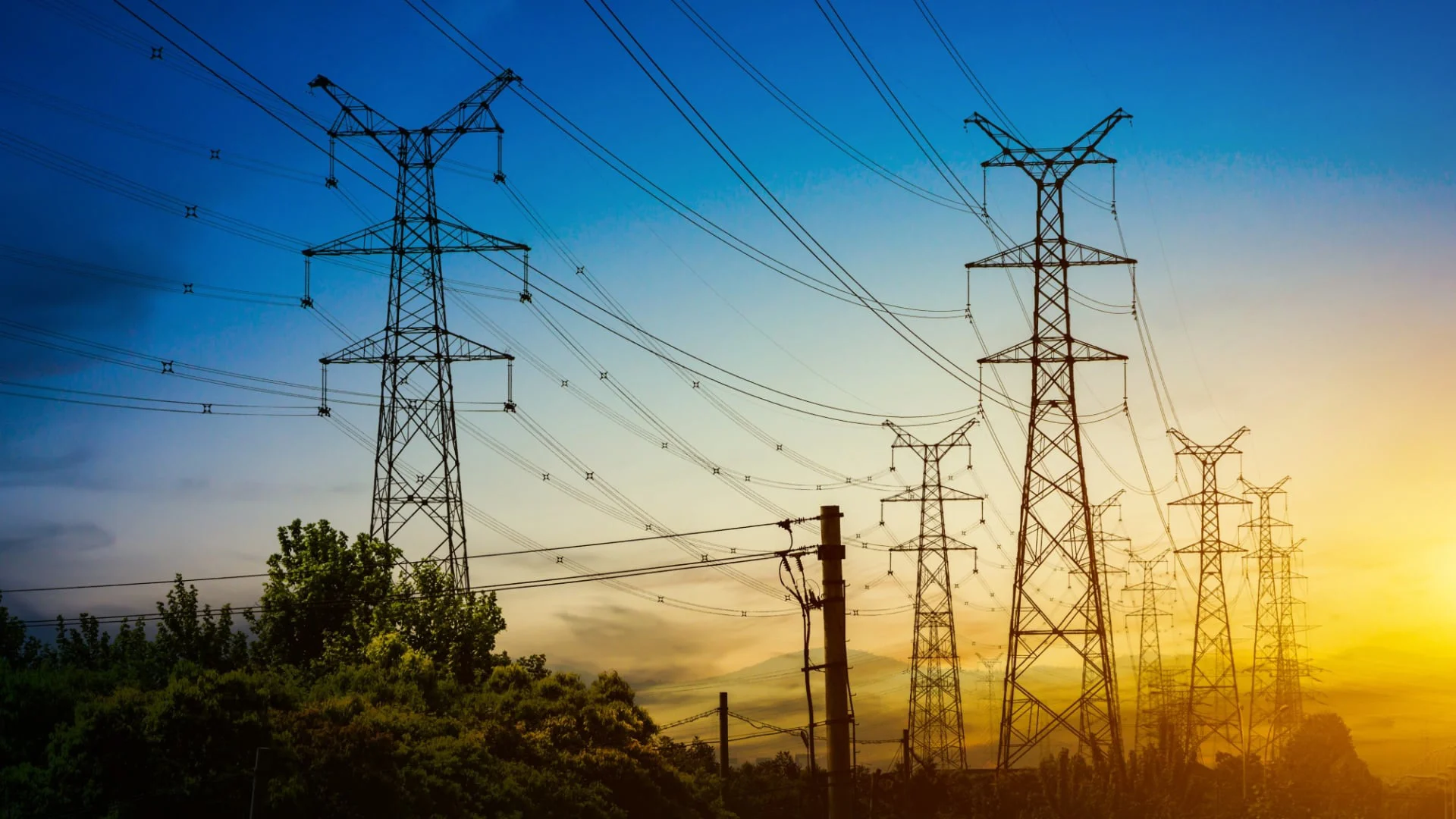
The Lagos State Government has moved to criminalise electricity supply to unmetered customers, escalating pressure on Distribution Companies (Discos) as the state battles an estimated 11,000MW power deficit.
Backed by provisions in the Lagos Electricity Law and reinforced in the maiden 2025 Lagos Electricity Market Report released by the Lagos State Electricity Regulatory Commission, the initiative aims to end estimated billing and compel operators to speed up meter deployment across Nigeria’s commercial capital.
According to the report, active enforcement of compulsory metering for electricity consumers will begin in 2026, with the state planning to implement universal smart metering on a feeder-by-feeder basis across Lagos.
The commission said the measure was aimed at protecting consumers from estimated billing, improving transparency in electricity charges, and strengthening revenue collection within the power sector.
LASERC noted that Nigeria’s overall metering rate among electricity distribution companies stood at 55.37 per cent as of September 2025, leaving millions of consumers exposed to estimated billing practices.
The report cited Section 89(2) of the Lagos Electricity Law, which criminalises the supply of electricity without a meter, warning that enforcement would commence in line with the state’s Strategic Implementation Plan on metering.
“Adequate metering is fundamental to fair billing and consumer protection,” the commission stated.
The reforms come amid mounting concerns over Lagos’ worsening electricity deficit despite its position as Nigeria’s commercial and economic hub.
According to the report, Lagos currently has an estimated electricity demand of about 12,000MW but receives less than 1,000MW on average from the national grid, leaving nearly 94 per cent of electricity demand unmet.
The report disclosed that Lagos received an average allocation of only 930MW from the national grid during the third quarter of 2025, despite Nigeria’s installed generation capacity of 13,625MW.
Actual average electricity generation dispatched nationwide during the same period stood at 5,430MW, underscoring persistent inefficiencies across the country’s power sector.
LASERC said the huge shortfall had forced residents and businesses in Lagos to rely heavily on self-generation through petrol and diesel generators.
The commission estimated that Lagos accounts for more than 40 per cent of Nigeria’s informal off-grid generation capacity, with between 22 million and 25 million small-scale generators currently operating nationwide.
As part of the state’s electricity sector transition, the commission disclosed that two successor distribution companies, Excel Electricity Distribution Limited and IE Energy Lagos Limited, were licensed in October 2025 to take over operations from the former Eko and Ikeja electricity distribution companies.
The two firms currently serve about 1.55 million electricity customers across Lagos.
However, the report revealed weak service performance by both operators, particularly among Band A customers who are expected to receive a minimum of 20 hours of electricity supply daily.
According to the report, Excel Electricity Distribution Limited achieved only 33.8 per cent compliance with the service benchmark, while IE Energy Lagos Limited recorded 20 per cent compliance.
The commission described the development as a major consumer protection concern, noting that many customers were paying premium tariffs without receiving the corresponding quality of service.
It further disclosed that complaint resolution rates by both distribution companies remained below the commission’s benchmark of 90 per cent.
Between January and June 2025, the two utilities resolved only 59.37 per cent of customer complaints received during the period.
LASERC said Lagos was now pursuing a long-term electricity strategy focused on renewable energy, embedded generation, off-grid systems, and smart metering to reduce dependence on the national grid.
The report also disclosed plans to implement cost-reflective electricity tariffs without direct government subsidies, while introducing a lifeline tariff structure for low-income consumers through cross-subsidisation.
Related Stories
Estimated Billing Faces Criminalisation in Lagos Amid 11,000MW Power Gap

S. Africa Nears One Year without Load Shedding as Eskom Stabilises Grid

South Africa: Afrox Signs 10-year PPA with Renewable Energy Platform Discovery Green
Morocco, Norway Launch Carbon Market Partnership for Clean Energy Projects
Sign up for our newsletter.
Get the latest news, expert analysis, and industry insights delivered straight to your inbox. Join thousands of professionals shaping the future of energy.
By submitting my information, I agree to the Privacy Policy and Terms of Service.

