Oil & Gas
Mozambique: Pipeline Expansion Lifts Fuel Capacity to 5 Million Cubic Metres
Mozambique’s pipeline upgrade will increase fuel transport capacity from three to five million cubic metres yearly, with a matching upgrade planned on the Zimbabwean side.
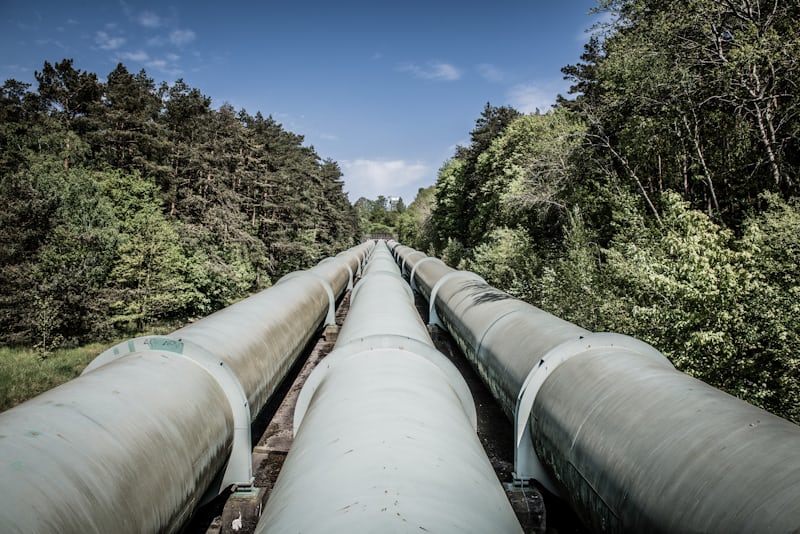
The Beira-Feruka oil pipeline is being expanded to carry up to five million cubic metres of fuel yearly, as Mozambique and Zimbabwe upgrade the route connecting the Port of Beira to Feruka in Zimbabwe.
Mozambican President Daniel Chapo announced the increase on Wednesday at Nhamatanda district in Sofala province, during the groundbreaking ceremony for the Mozambique-Zimbabwe Pipeline Company (CPMZ) pumping capacity enhancement project.
The project will increase the pipeline’s capacity by 67 per cent, taking fuel transport from three million to five million cubic metres yearly. New pumping stations will be built in Nhamatanda and Messica in Manica province.
The work also includes a matching capacity increase on the Feruka-Harare section in Zimbabwe. The two upgrades will give the pipeline greater capacity to transport fuel between the two countries.
Pipeline gets new pumping capacity
Chapo presented the project as part of a joint energy and transport system between Mozambique and Zimbabwe.
“These are not isolated investments. We are witnessing a coordinated vision of logistical and energy integration between our two countries and peoples. This pipeline is a strategic infrastructure asset and a tangible expression of economic cooperation between Mozambique and Zimbabwe”, he said.
The new project builds on an earlier expansion that lifted the pipeline’s throughput from two million to three million cubic metres per year.
The new stage will take the total capacity to five million cubic metres annually. The increase is intended to support energy security in Southern Africa and serve countries without direct access to the sea, as well as important regional trade routes.
The Beira-Feruka pipeline has operated since 1965. It underwent major rehabilitation after Zimbabwe gained independence in 1980, with CPMZ established in 1982 to resume fuel transport from the Port of Beira to Feruka.
Chapo also wants the Beira Corridor to support more economic activity instead of serving only as a route for goods in transit.
He said industries, logistics hubs, agro-processing facilities, special economic zones and local jobs should be developed along the corridor.
“We want to progressively transform Mozambican corridors from simple transit routes into true corridors of development. We urge CPMZ and its partners to continue investing in local human capital, while calling on host communities to safeguard the infrastructure by respecting safety zones and right-of-way boundaries”, he said.
The President also presented the pipeline as an economic asset shared by both countries. The capacity work in Mozambique will be matched in Zimbabwe, giving the two sides a common system for transporting fuel.
“When Mozambique grows, we want Zimbabwe to benefit. When Zimbabwe grows, we want Mozambique to benefit as well”, Chapo declared.
The project covers both the physical pipeline system and the economic relationship around it. Fuel will continue to travel from the Port of Beira towards Feruka, with the upgraded sections designed to handle higher volumes.
Related Stories
Sign up for our newsletter.
Get the latest news, expert analysis, and industry insights delivered straight to your inbox. Join thousands of professionals shaping the future of energy.
By submitting my information, I agree to the Privacy Policy and Terms of Service.