Power |Finance
Namibia, Angola Reach $52.3m Deal for 166km ANNA Power Interconnector
The two countries have formalised development and power purchase agreements for a high-voltage transmission line aimed at strengthening regional grid integration under the Southern African Power Pool.
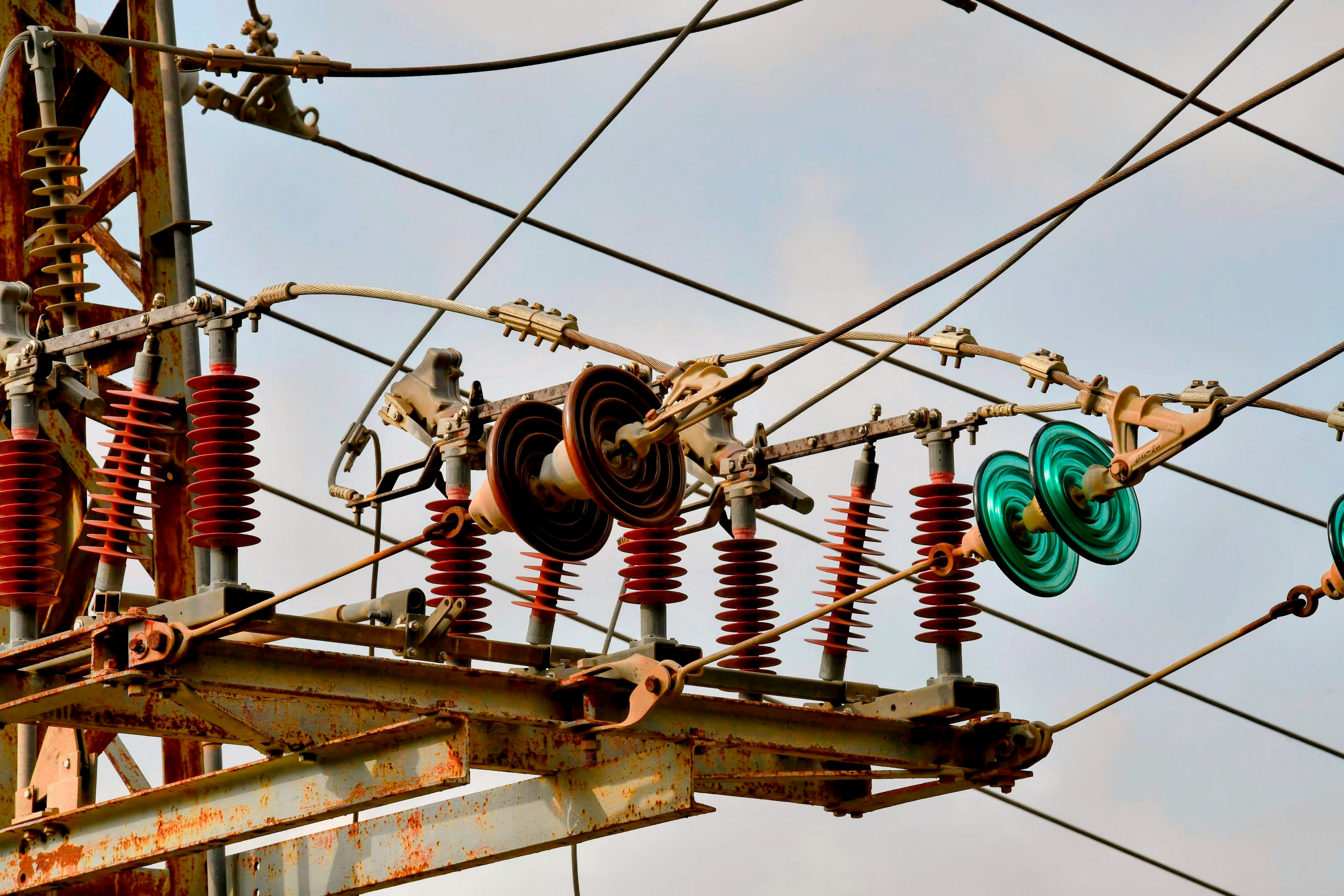
Namibia and Angola have signed a joint development agreement and a bilateral power purchase agreement for the construction of the 166-kilometre ANNA interconnector, a major cross-border electricity project aimed at enhancing regional energy security.
The agreements were concluded in Luanda on 14 April 2026 between Namibia’s state utility NamPower and Angola’s transmission operator Rede Nacional de Transporte de Electricidade, establishing the technical, institutional and commercial framework for implementation.
The project, estimated at US$52.3 million (about N$941 million), was approved by the Namibian government in February 2026 as a strategic infrastructure investment led by the Ministry of Industries, Mines and Energy through NamPower. It follows an earlier intergovernmental memorandum of understanding between the two countries formalising cooperation on cross-border power infrastructure.
The ANNA interconnector will consist of a 400 kV transmission line linking the Kunene substation in Namibia to Cahama in Angola, with approximately 30 kilometres located within Namibia. Supporting infrastructure includes feeder bays, transformation facilities and a static var compensator at Kunene. A separate 270-kilometre line between Omatando and Otjikoto substations will also be developed to strengthen domestic transmission capacity.
Officials say the project is designed to integrate Angola more closely into the Southern African Power Pool (SAPP), enabling cross-border electricity trading and improving grid stability across the region.
NamPower Managing Director Kahenge Haulofu said the initiative reflects long-standing cooperation between the two utilities and responds to growing electricity demand and supply constraints across Southern Africa. He added that the interconnector will allow both countries to optimise energy resources and improve reliability through regional integration.
The project is due to be completed in 2029 and is positioned as part of broader efforts to deepen power market integration within the Southern African Development Community (SADC).
Related Stories


Sign up for our newsletter.
Get the latest news, expert analysis, and industry insights delivered straight to your inbox. Join thousands of professionals shaping the future of energy.
By submitting my information, I agree to the Privacy Policy and Terms of Service.