Oil & Gas |Power |Policy & Governance
NIES 2026: Nigeria Positions Gas as Industrial Growth Driver, Plans Energy Events Centre
Nigeria is positioning natural gas as a central pillar of industrial growth and energy security following the close of NIES 2026, with plans for new infrastructure investment and a proposed events centre to strengthen the country’s global role in the sector.
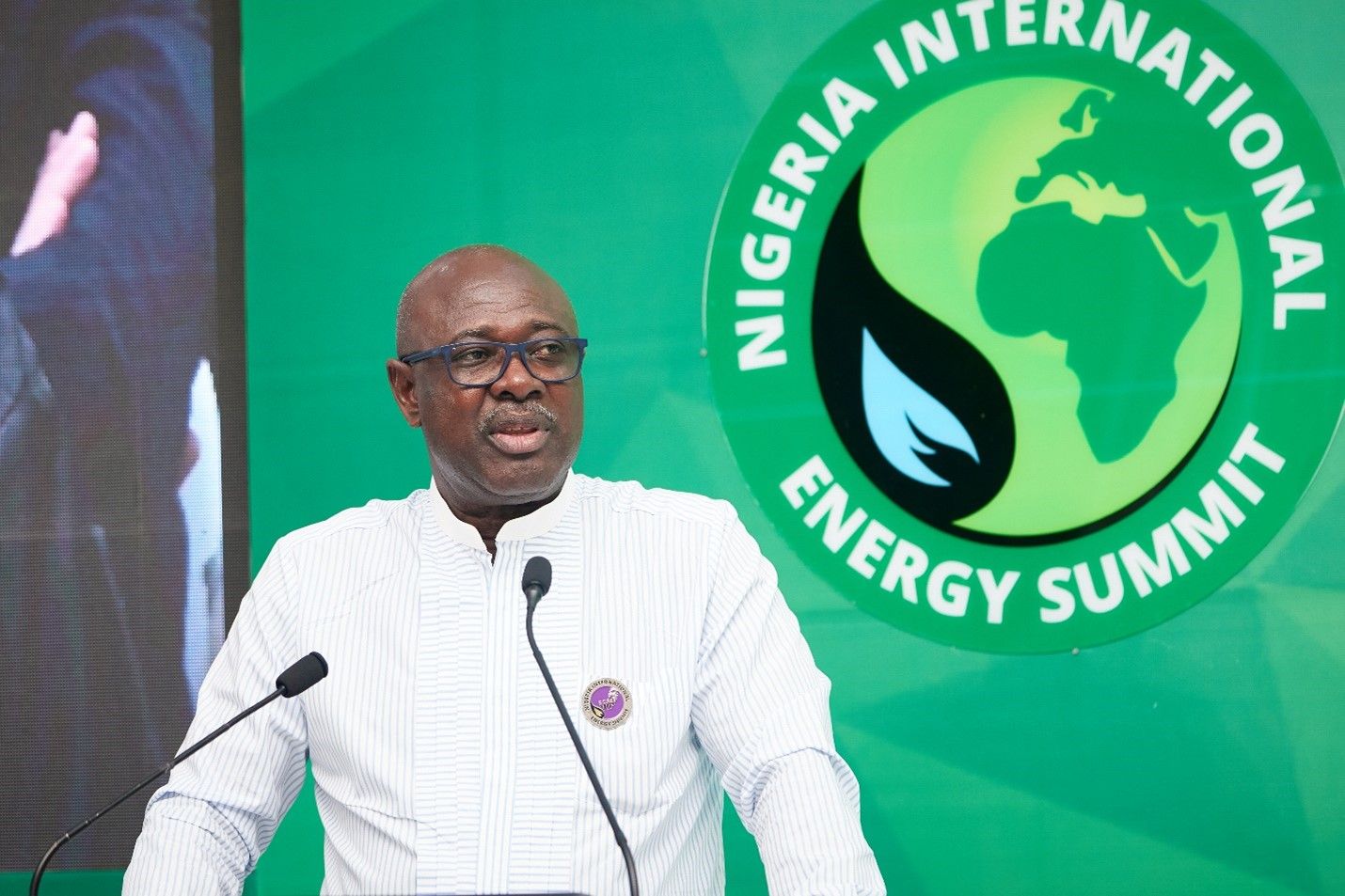
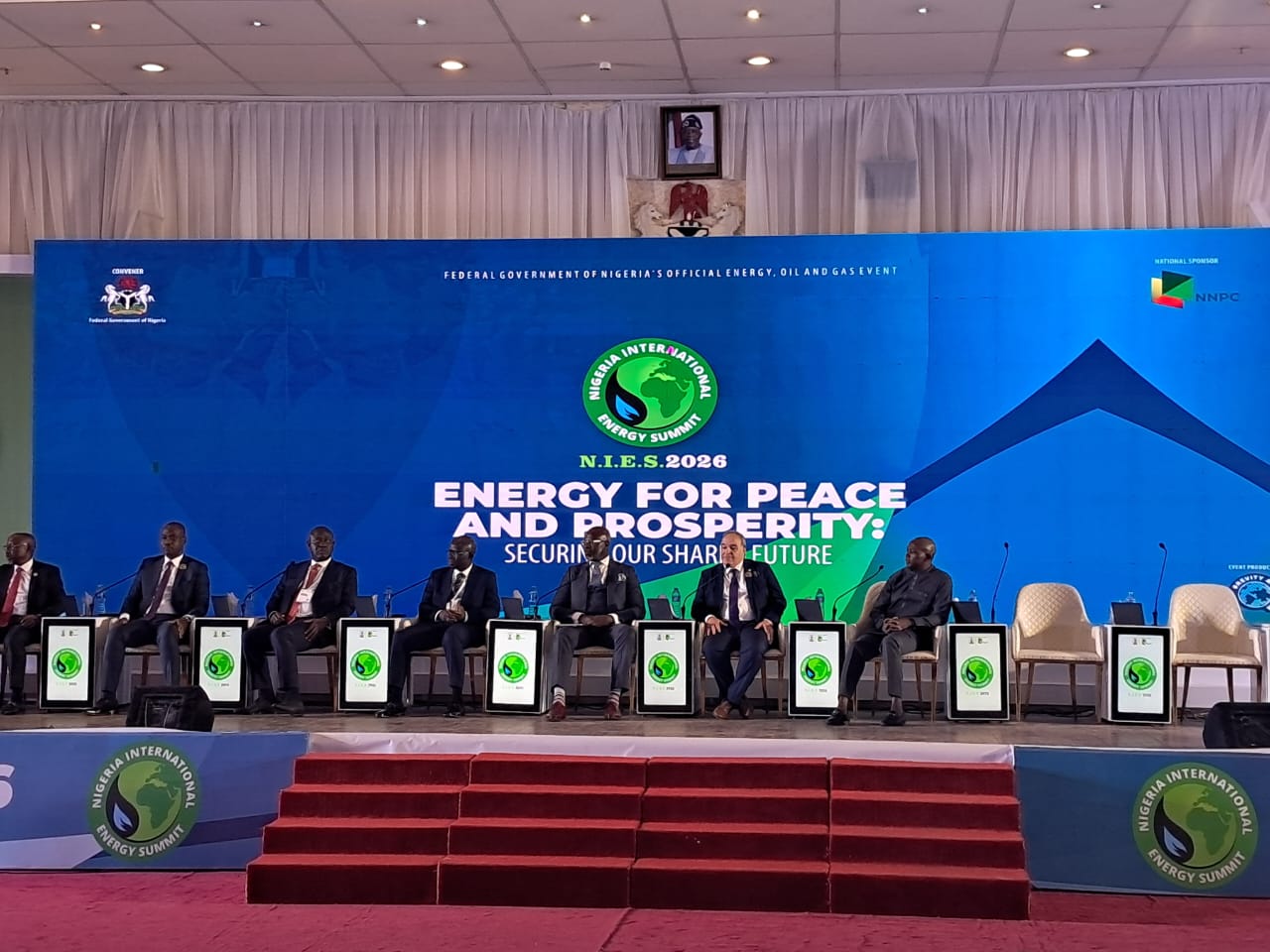
Nigeria’s federal government has reaffirmed its strategy to deploy natural gas as a driver of industrialisation, energy security and economic growth, as the Nigeria International Energy Summit (NIES 2026) concluded in Abuja.
Government officials highlighted gas as a key lever for power supply, economic expansion and energy security, while outlining plans to strengthen domestic infrastructure and attract global investment into the sector.
Minister of State for Petroleum Resources (Oil), Heineken Lokpobiri, described the 2026 summit as a turning point for Nigeria’s global energy engagement, pointing to the scale of participation by policymakers, investors and industry leaders.
He urged stakeholders to channel more investment into domestic platforms that can host global energy dialogue and exhibitions.
“Every year, Nigerian companies spend huge sums acquiring exhibition space abroad. It is time we built a world-class energy and events centre here in Nigeria and bring the rest of the world to us.”
Authorities confirmed that land has already been secured for the proposed facility, with implementation expected to involve industry participation and professional management structures.
At a separate session on gas development, Minister of State for Petroleum Resources (Gas), Ekperikpe Ekpo, framed Nigeria’s reserves as a development asset rather than a statistical milestone, stressing their role in electricity supply, jobs and industrial activity.
“The real value of our gas resources is not in reserves alone, but in megawatts delivered to homes and industries, jobs created, foreign exchange earned, and peace enabled through access to clean and reliable energy.”
Gas currently powers more than 70% of Nigeria’s grid electricity, with ongoing efforts focused on expanding supply infrastructure, strengthening gas-to-power coordination and deepening domestic utilisation.
Officials also pointed to progress in LPG adoption, resolution of legacy gas-sector constraints and new institutional efforts to improve infrastructure planning and delivery.
Over four days, the summit brought together African leaders, investors and development partners to explore financing pathways, regional cooperation and policy alignment needed to strengthen energy security and expand cleaner energy systems across the continent.
Related Stories
Sign up for our newsletter.
Get the latest news, expert analysis, and industry insights delivered straight to your inbox. Join thousands of professionals shaping the future of energy.
By submitting my information, I agree to the Privacy Policy and Terms of Service.