Oil & Gas
Nigeria to Attract Up to $50bn in Offshore Oil Projects
Rising global demand for African LNG and oil is reshaping investment flows across the continent, with Nigeria positioning itself as the primary beneficiary.
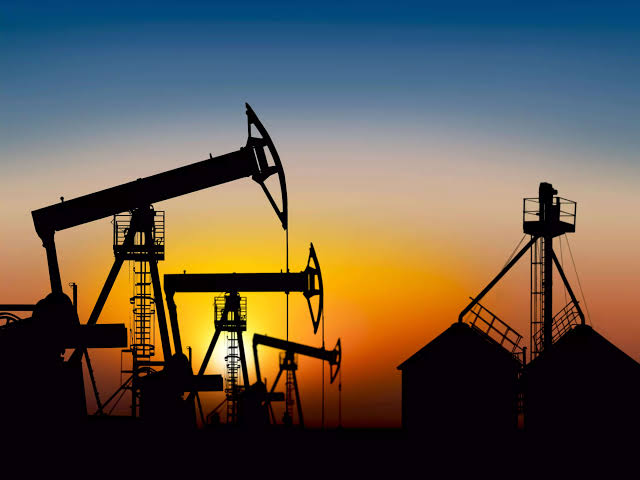
Nigeria is projected to attract between $30 billion and $50 billion in investment for 22 major offshore oil and gas projects by 2030, according to a report by Industrial Info Resources, which tracks more than 800 active oil and gas projects across Africa worth a combined $221 billion.
The projection for the 22 offshore projects comes from Nigeria's upstream regulator, the Nigerian Upstream Petroleum Regulatory Commission (NUPRC). Its chief executive, Oritsemeyiwa Eyesan, disclosed the figures at the Society of Petroleum Engineers' annual conference in Lagos on August 5, saying the regulator has approved more than $57 billion in field development plans since 2024, documents outlining how a company intends to develop an oil or gas discovery, some of which have already progressed to final investment decisions.
According to the report, Africa's oil and gas investment outlook this year stands at $41 billion, with production across the continent expected to reach 11.4 million barrels per day. Nigeria's own crude production rose to 1.71 million barrels per day between April 2025 and April 2026, and the Nigerian National Petroleum Company Limited has projected the country could add a further 100,000 barrels per day by the end of 2026.
Deepwater projects anchor Nigeria's pipeline
Among the deepwater developments identified in the report is Shell's Bonga/Southwest/Aparo complex, which is expected to produce 150,000 barrels of crude oil per day once completed.
Gordon Gorrie, senior vice-president of research for oil and gas at Industrial Info Resources, said the investment growth is not confined to Nigeria, with African countries broadly increasing spending on production and midstream infrastructure, the pipelines, processing plants and storage facilities that move oil and gas from wellhead to market. According to Gorrie, the next 12 to 18 months will be a critical period for large-scale projects on the continent, as several previously delayed upstream and liquefied natural gas (LNG) developments move toward first production, with most capital going into offshore oil development and new LNG liquefaction capacity.
Gorrie also linked the renewed investor interest to shifts in global energy markets, saying international buyers of LNG have been turning toward African supply amid instability in the Middle East.
The report pointed to Mozambique LNG, being developed by TotalEnergies, as a major project expected to contribute to the continent's investment growth. The 12.9-million-tonne-per-annum project is scheduled for completion in 2030, while ExxonMobil is targeting a final investment decision in 2026 for the 18-million-tonne-per-annum Rovuma LNG project, also in Mozambique.
The projections follow a series of executive orders signed by President Bola Tinubu aimed at attracting more investment into Nigeria's energy sector, whose effect on the pace of project approvals will become clearer as the 22 offshore projects move toward final investment decisions over the coming years.
Related Stories

Sign up for our newsletter.
Get the latest news, expert analysis, and industry insights delivered straight to your inbox. Join thousands of professionals shaping the future of energy.
By submitting my information, I agree to the Privacy Policy and Terms of Service.