Power
Nigeria’s Power Minister Vows to End Grid Collapses
Nigeria’s power minister pledges accountability as pressure mounts to end grid collapses and implement reforms to stabilise the electricity sector and support economic growth.
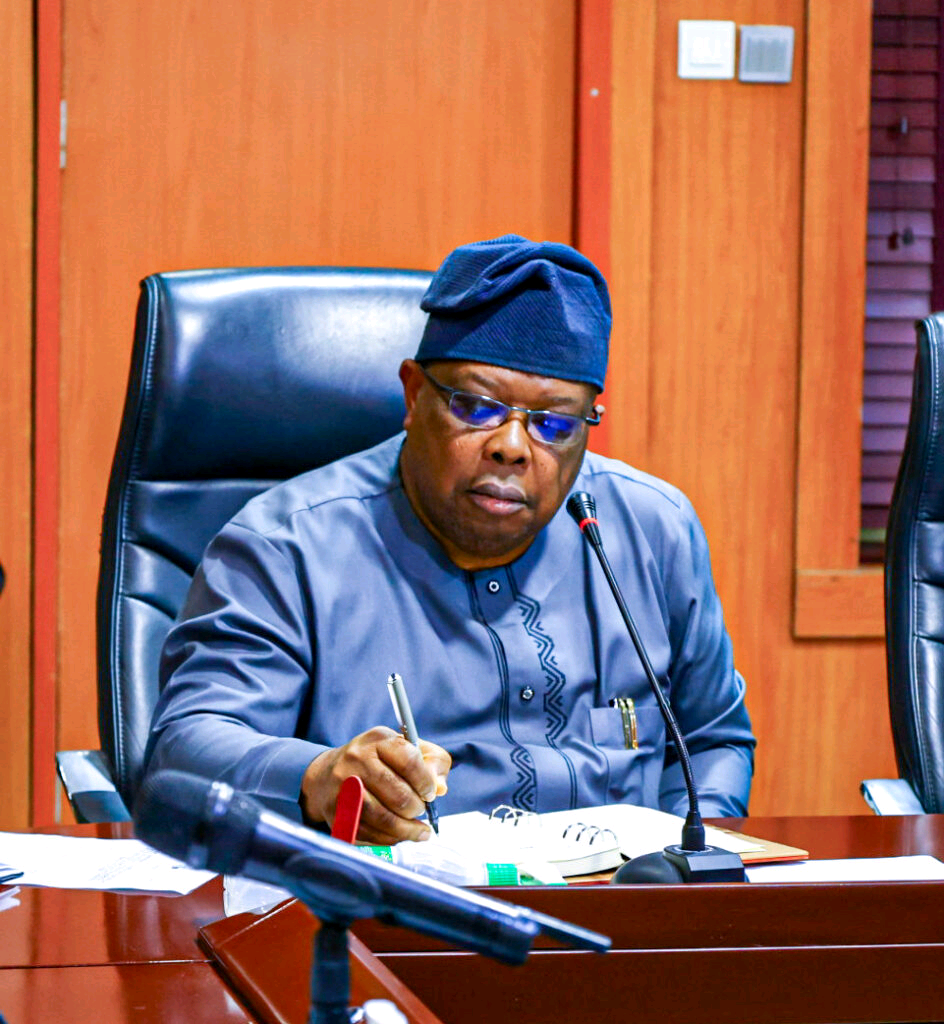
Nigeria’s newly appointed Minister of Power, Olasunkanmi Tegbe, has pledged to be held accountable if persistent national grid collapses continue, as lawmakers intensified pressure on the government to deliver lasting reforms in the electricity sector.
Tegbe made the commitment on Wednesday during his screening before the Senate in Abuja, where he was subsequently confirmed following a rigorous session marked by sharp questions over the chronic instability of the country’s power system.
The confirmation hearing, presided over by Senate President Godswill Akpabio, underscored growing political concern over a sector widely regarded as one of the most significant constraints on Nigeria’s economic performance.
Senators pressed the minister for clear timelines, transparency in policy execution and a credible roadmap to restore stability to an electricity system plagued by repeated grid failures, weak transmission infrastructure and a mounting liquidity crisis estimated at about N6tn.
In a rare display of cross-party consensus, lawmakers warned that public patience was wearing thin, urging the new minister to move beyond assurances and deliver measurable improvements within a short timeframe.
Senator Mohammed Tahir Monguno, representing Borno North, described the appointment as timely but stressed that the scale of dysfunction within the sector required decisive and coordinated intervention.
He pointed to the recurring collapse of the national grid as a major impediment to industrial growth, arguing that transmission constraints had consistently undermined the effective evacuation of generated power.
“Grid collapse has become a recurring decimal, undermining development. Transmission has failed to match generation capacity,” he said, also noting that insecurity in parts of the North-East had compounded infrastructure damage.
Responding, Tegbe acknowledged that the challenges confronting the sector were structural rather than incidental, citing weak institutional coordination, lapses in the enforcement of technical standards and inadequate gas supply as key drivers of instability.
“Grid collapse is not accidental; it reflects deeper structural problems,” he said.
He outlined a 100-day reform agenda aimed at stabilising the grid, improving operational discipline and restoring confidence among consumers and investors.
Central to this plan is the introduction of a public performance dashboard designed to provide transparency and allow citizens to monitor progress.
“If there are no results in three months, there will be none in six. Nigerians should hold us accountable,” he said.
The minister also alluded to entrenched interests within the sector that benefit from inefficiencies, signalling a willingness to confront resistance to reform.
“There are elements that do not want the system to work because they benefit from its failure. We will take them on,” he added.
On the issue of infrastructure vandalism, Tegbe described the trend as a serious national security concern and pledged closer coordination with security agencies, including the Office of the National Security Adviser and the armed forces, to safeguard critical assets.
He further addressed the sector’s financial challenges, acknowledging that the current market structure remains unsustainable.
The liquidity shortfall, estimated at trillions of naira, continues to constrain investment across the electricity value chain, from generation to distribution.
Tegbe said reforms would include a move towards more cost-reflective tariffs, while maintaining safeguards for vulnerable consumers.
“Electricity pricing must reflect market realities, but affordability remains essential. We will ensure a fair balance,” he said.
Lawmakers also emphasised the importance of clear implementation timelines, noting that reliable electricity supply is fundamental to economic growth, job creation and industrial competitiveness.
Concerns were raised over the fragmentation of the sector following its unbundling, with calls for stronger coordination among generation, transmission and distribution entities.
In response, the minister pledged to prioritise improved alignment across the value chain, enhance gas supply to power plants and accelerate the rollout of metering infrastructure to address estimated billing and revenue leakages.
He also highlighted plans to expand decentralised energy solutions, including mini-grids and solar systems, particularly in underserved and rural communities.
“Decentralised energy will be key to reaching underserved communities and ensuring inclusive access,” he said.
Deputy Senate President Barau Jibrin described the power sector as a critical bottleneck to Nigeria’s economic competitiveness, urging the minister to translate commitments into tangible outcomes.
“Our industries cannot thrive without reliable electricity. What we need now are results, not assurances,” he said.
Despite the scrutiny, lawmakers expressed cautious optimism regarding Tegbe’s capacity to deliver reforms, citing his professional experience and the clarity of his policy direction.
In his closing remarks, the minister acknowledged the scale of the challenge but maintained that sustained progress was achievable.
“This is a difficult assignment, but progress is achievable with transparency, discipline and collaboration. Nigerians will see change,” he said.
His confirmation now marks the beginning of what many view as a decisive phase in efforts to stabilise Nigeria’s electricity sector and break the cycle of recurrent grid failures.
Related Stories



Sign up for our newsletter.
Get the latest news, expert analysis, and industry insights delivered straight to your inbox. Join thousands of professionals shaping the future of energy.
By submitting my information, I agree to the Privacy Policy and Terms of Service.
