Oil & Gas
NMDPRA Chief Pledges Stronger Energy Security, Supply Reforms
Nigeria’s downstream petroleum regulator plans reforms aimed at improving energy security, fuel supply stability and investor confidence amid ongoing sector changes
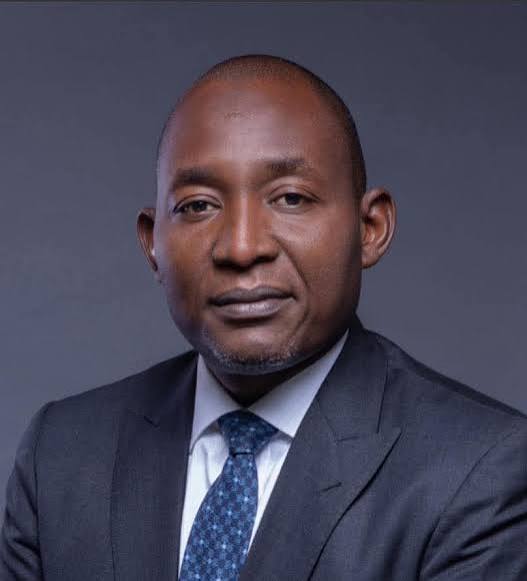
The Chief Executive of the Nigerian Midstream and Downstream Petroleum Regulatory Authority (NMDPRA), Rabiu Umar, has pledged to strengthen Nigeria’s energy security, enhance fuel supply stability, and accelerate reforms across the petroleum sector.”
Umar made the commitment during his Senate screening on May 5, 2026, where lawmakers commended his industry experience, regulatory outlook and strategic vision for the country’s petroleum industry.
His nomination was submitted by President Bola Tinubu on April 29 as part of broader efforts to strengthen regulatory institutions and deepen implementation of reforms under the Petroleum Industry Act.
During the screening, Umar outlined an agenda focused on improving supply resilience, strengthening regulatory efficiency, enhancing investor confidence and ensuring nationwide availability of petroleum products.
He also warned that developments in global energy markets, including tensions affecting major shipping routes such as the Strait of Hormuz, would continue to influence international fuel prices.
“Global events may affect prices, but they should not define Nigeria’s stability,” Umar told lawmakers.
“Our task is to build a petroleum system strong enough to absorb shocks, protect supply and keep homes, industries and transport moving in every season.”
The NMDPRA chief brings more than two decades of experience across the downstream petroleum, logistics and manufacturing sectors.
His career includes senior management positions at Oando Plc, leadership experience at Ashaka Cement Plc and a six-year tenure as Group Chief Commercial Officer at Dangote Group before his exit eight months ago.
Umar said one of his immediate priorities would be to strengthen the operational readiness of Nigeria’s 22 fuel depots while improving stock buffers across the federation.
He added that the authority would work closely with industry stakeholders and government agencies to guarantee fuel availability nationwide.
“Energy security is not measured only by volumes in storage,” he said.
“It is measured by whether fuel is available when Nigerians need it, where Nigerians need it. We will build a supply architecture that is visible, reliable and national in reach.”
His nomination had earlier received support from several industry associations, including the Independent Petroleum Marketers Association of Nigeria and the Petroleum Retail Outlets Owners Association of Nigeria.
Industry groups described the appointment as a positive development capable of strengthening regulatory stability and improving sector performance.
Umar also outlined plans to reposition the NMDPRA as a more efficient and investment-friendly regulator by reducing administrative bottlenecks and improving service delivery.
“The NMDPRA under my leadership will be firm in regulation, fair in conduct and fast in execution,” he said.
“We will protect standards, unlock investment, remove avoidable bottlenecks and make this Authority a model of professionalism and economic value creation.”
The petroleum sector regulator is expected to play a central role in implementing reforms linked to domestic refining expansion, fuel supply optimisation and market liberalisation following the passage of the Petroleum Industry Act.
Nigeria’s downstream petroleum sector has undergone significant changes in recent years, including subsidy removal, refinery rehabilitation efforts and increased private-sector participation.
Umar’s confirmation comes at a time when government authorities are seeking to strengthen energy infrastructure, improve supply-chain efficiency and restore investor confidence across the oil and gas industry.
Related Stories



Sign up for our newsletter.
Get the latest news, expert analysis, and industry insights delivered straight to your inbox. Join thousands of professionals shaping the future of energy.
By submitting my information, I agree to the Privacy Policy and Terms of Service.