Renewables |Power
Power Promise Still Waiting for Paperwork in Gambia
While the announcement has raised hopes for better electricity supply, the project's future now depends on formal contracts, technical assessments and a clear construction timetable.
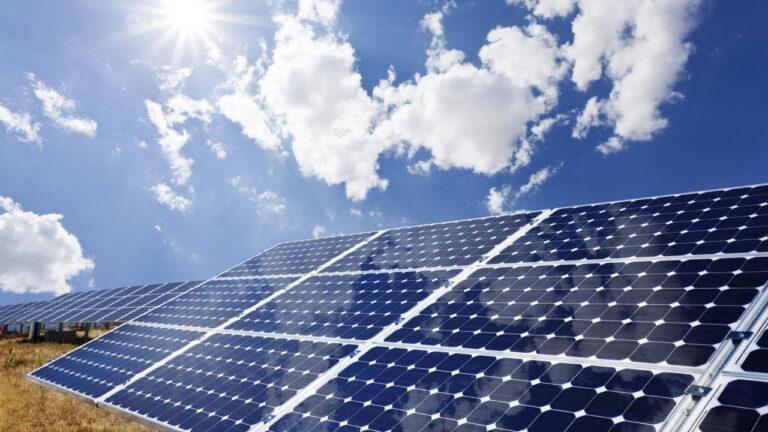
A planned 250MW solar power plant that could transform electricity supply in The Gambia is still waiting for the steps that will decide whether it goes ahead.
President Adama Barrow announced that Aliko Dangote has committed $2 billion to the solar project and a modern fuel tank farm after a meeting at State House in Banjul on 7 July, held during the African Caucus 2026 meetings.
The announcement is important at this time since The Gambia has struggled with low available power and heavy electricity imports.
The commitment comes at a time when the country's electricity system is under pressure. Although The Gambia has between 90MW and 99MW of installed generation capacity, only part of that can be used.
By early 2025, available generating capacity had dropped below 40MW because of ageing infrastructure and equipment problems at the state utility, NAWEC.
That situation forced the country to import 57 per cent of its electricity in the first quarter of 2025, with most of the supply coming from Senegal and Guinea.
The country's biggest solar project now under construction is the 150MW Soma project, but it is not expected to be completed until 2030.
Big promise, more work ahead
The planned 250MW solar plant would be much larger than the electricity currently available in the country. But the project has not yet reached the stage where construction can begin.
The commitment announced in Banjul is only the first step. Both sides still need to sign binding agreements before work can move forward. They must also complete feasibility and technical studies and set up joint implementation structures that will supervise the project.
So far, no construction timetable has been announced. There is also no public breakdown showing how the $2 billion will be shared between the solar plant and the fuel storage project.
President Barrow has directed the relevant ministries to work with Dangote's technical teams to move the process forward.
The financing also links Nigerian business and banking. Dangote travelled to Banjul with Olusegun Alebiosu, the chief executive of First Bank Group, whose institution is backing the initiative.
The arrangement brings together Nigerian industrial investment and Nigerian banking support for an energy project in another West African country.
Fuel project adds another layer
The investment package also includes a modern fuel tank farm that is intended to strengthen The Gambia's petroleum reserves.
A larger storage facility would give the country strategic fuel reserves, improving its ability to deal with supply disruptions. The project also comes at a time when the Dangote refinery in Nigeria is changing fuel movement across West Africa.
However, the existence of the refinery alone does not determine fuel prices in Banjul. Whether consumers eventually pay less will depend on the commercial terms under which fuel is supplied.
The announcement was made during the African Caucus 2026 meetings, which bring together African finance ministers and the World Bank each year.
This year's meeting is also serving as an opportunity for The Gambia to present investment opportunities to potential partners.
President Barrow said the commitment shows confidence in the country's stability and reform agenda.
Attention, for now, will be on the practical steps needed before work can begin. The next milestones are the signing of formal agreements, completion of the required studies and the start of construction.
Related Stories

Sign up for our newsletter.
Get the latest news, expert analysis, and industry insights delivered straight to your inbox. Join thousands of professionals shaping the future of energy.
By submitting my information, I agree to the Privacy Policy and Terms of Service.