Oil & Gas
Rwanda Subsidises Diesel to Cushion Impact of Rising Global Fuel Prices
Rwanda is using fuel and transport subsidies to ease the impact of rising global energy prices while accelerating investments in cleaner public transportation.
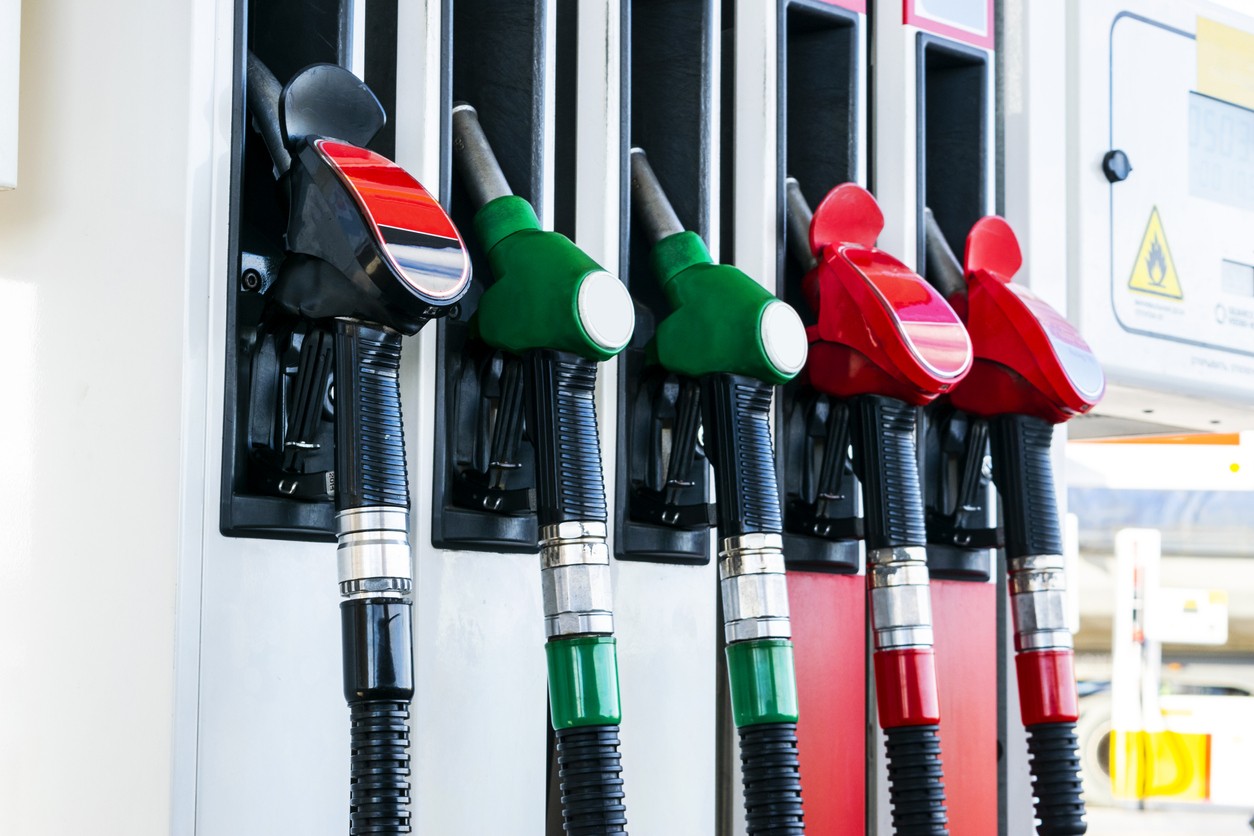
The Rwandan government is subsidising 18 per cent of the cost of diesel to shield consumers from rising global fuel prices driven by ongoing geopolitical tensions and disruptions in international energy markets.
Prime Minister Justin Nsengiyumva disclosed this during a press briefing on Rwanda's economic outlook and issues affecting citizens' daily lives.
He said the ongoing conflict in the Middle East has contributed to higher prices for imported goods, including petroleum products, gas and fertilisers, with knock-on effects on the cost of locally produced goods.
According to the Prime Minister, the government has taken measures to ease the burden on households by absorbing part of the increase in diesel prices.
His remarks followed an announcement by the Rwanda Utilities Regulatory Authority (RURA) that diesel prices had risen by Rwf700 per litre.
Nsengiyumva explained that while the actual market-driven price of diesel should have been Rwf3,581 per litre, consumers would pay Rwf2,927 due to the government's intervention.
He said authorities would continue to monitor developments in global markets and implement measures aimed at preventing sharp increases in fuel costs.
The Prime Minister also noted that petrol prices were left unchanged after considering the broader economic impact that additional increases could have on households and businesses.
Apart from fuel subsidies, the government is also supporting public transport operators to prevent fare increases linked to higher diesel costs.
According to him, passengers travelling between Nyabugogo and Musanze will continue to pay existing fares, with the government covering part of the transport cost through subsidies.
He added that Rwanda is investing in public transport infrastructure to reduce the impact of fuel price volatility on commuters.
The government has expanded bus services, introduced dedicated bus lanes and recorded a 15 per cent increase in public transport usage as more people opt for mass transit.
As part of its long-term strategy, Rwanda also plans to expand its fleet of electric buses, with an additional 100 buses expected by the end of the year and a total of 300 electric buses projected by the end of next year.
The measures form part of broader government efforts to protect consumers from rising energy costs while accelerating the transition to more sustainable and efficient transport systems.
Related Stories

Sign up for our newsletter.
Get the latest news, expert analysis, and industry insights delivered straight to your inbox. Join thousands of professionals shaping the future of energy.
By submitting my information, I agree to the Privacy Policy and Terms of Service.