Oil & Gas
South Africa Raises Fuel Prices in Latest Revision
South Africa’s latest fuel price increase adds pressure from global oil market shocks, pushing up inflation, transport costs, and household spending.
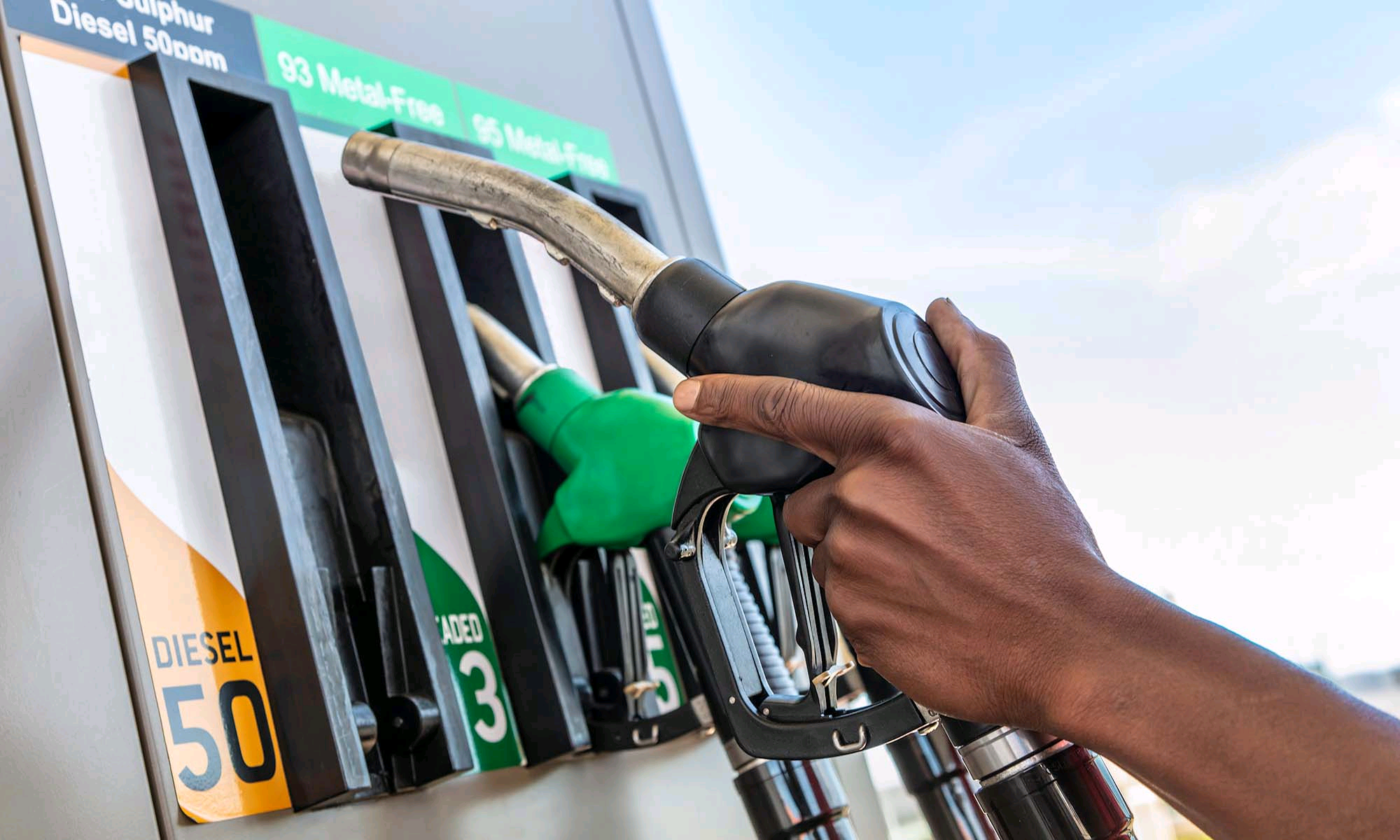
South Africa will raise fuel prices from Wednesday, May 6, following a sharp increase in global oil prices driven by escalating tensions in the Middle East.
The adjustment comes as Brent crude surged above $100 per barrel, climbing to $101 from $93.67, amid supply concerns linked to the ongoing conflict between the United States and Iran and disruptions along the Strait of Hormuz, a key global oil transit route.
As a net importer of crude and refined petroleum products, South Africa remains highly exposed to global price fluctuations, with domestic fuel costs directly influenced by international market movements.
Under the new pricing structure, petrol will increase by $0.19 (R3.27) per litre, while diesel will record a steeper rise of $0.37 (R6.19) per litre. The price of illuminating paraffin will also go up by $0.25 (R4.22) per litre at the wholesale level, with retail prices expected to climb further.
Diesel and paraffin prices rose more sharply due to tighter global supply conditions and stronger demand, particularly as exports from the Persian Gulf weakened.
Data from the pricing review indicated that international market pressures contributed about $0.12 (R2.04) per litre to petrol prices and $0.30 (R4.96) per litre to diesel before final adjustments were applied.
The relative stability of the rand provided minimal relief, contributing less than $0.01 per litre to the overall increase.
In an effort to cushion the impact on consumers, the South African government approved temporary tax reductions of $0.18 (R3.00) per litre on petrol and $0.23 (R3.93) per litre on diesel. The relief measures will be in effect from May 6 to June 2.
The Ministry of Finance said the intervention was necessary given the continued volatility in global oil markets.
“Due to the ongoing US-Iran conflict, which continues to affect fuel prices globally, the Minister of Finance announced a further temporary reduction in the general fuel levy,” the ministry said.
However, part of the relief will be offset by the introduction of a slate levy of $0.07 (R1.23) per litre, aimed at recovering an under-recovery of about $842 million (R14.17 billion) in the fuel pricing system.
Other petroleum products were also affected by the adjustments. Liquefied petroleum gas prices will rise by about $0.30 (R5.07) per kilogram in Gauteng and $0.34 (R5.78) in the Western Cape. The refinery gate price for LPG imports through Saldanha Bay was set at $1,093 (R18,375.72) per metric ton.
South Africa operates a regulated fuel pricing mechanism that is reviewed monthly, taking into account global oil prices, exchange rate movements and domestic cost structures.
Across Africa, similar trends are emerging, especially in countries that have reduced or removed fuel subsidies. In such economies, global oil price movements are transmitted more directly to consumers.
With tensions in the Middle East showing little sign of easing, analysts warn that fuel prices may remain elevated in the near term, posing ongoing challenges for policymakers and consumers alike.
Related Stories


Sign up for our newsletter.
Get the latest news, expert analysis, and industry insights delivered straight to your inbox. Join thousands of professionals shaping the future of energy.
By submitting my information, I agree to the Privacy Policy and Terms of Service.
