Oil & Gas
Tinubu Orders 100,000 CNG Kits as Fuel Prices Rise
The kits will enable vehicles powered by petrol or diesel to be converted to run on CNG, which is widely regarded as a more affordable and cleaner energy source. The rollout is expected to target commercial transport operators, including buses, taxis and ride-hailing vehicles, which have been among the hardest hit by high fuel costs.
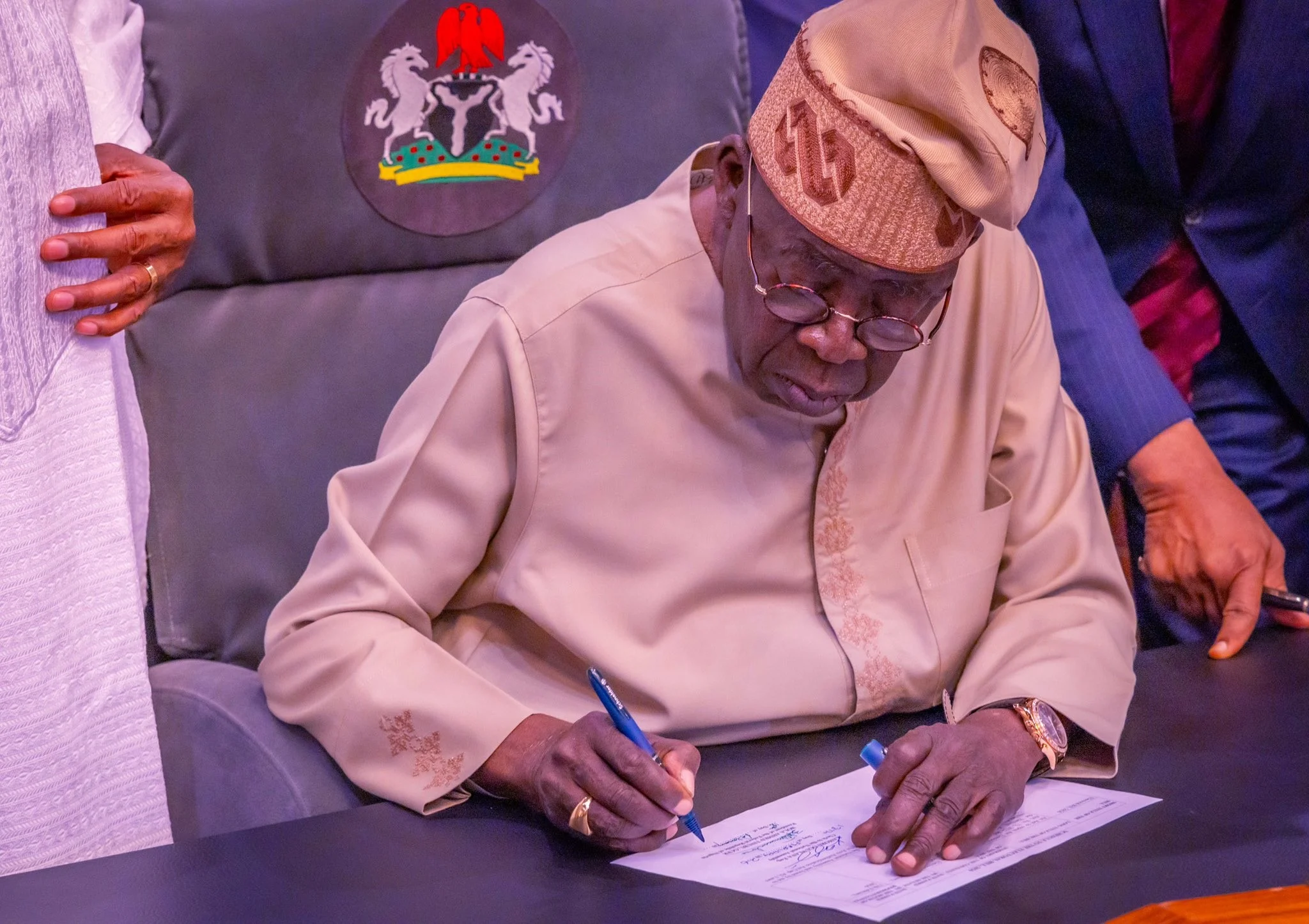
Bola Ahmed Tinubu has directed the procurement and distribution of 100,000 compressed natural gas (CNG) conversion kits as the Nigerian government seeks to ease the impact of rising fuel prices on motorists and businesses.
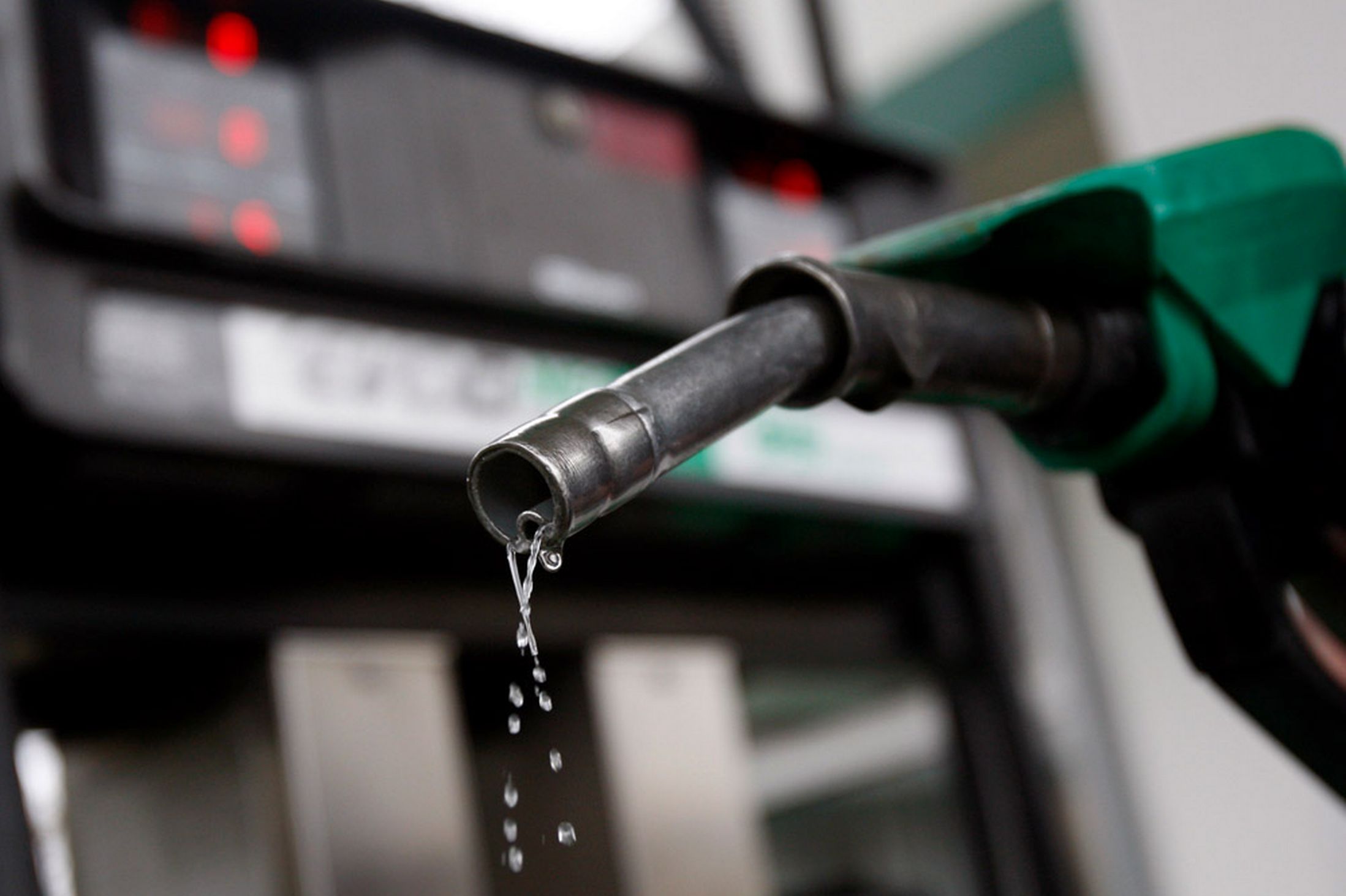
The initiative is part of the administration’s push to accelerate the adoption of compressed natural gas as a cheaper alternative to petrol amid continued increases in pump prices across the country.
The kits will enable vehicles powered by petrol or diesel to be converted to run on CNG, which is widely regarded as a more affordable and cleaner energy source. The rollout is expected to target commercial transport operators, including buses, taxis and ride-hailing vehicles, which have been among the hardest hit by high fuel costs.
Fuel prices in Nigeria have surged in recent months following the removal of petrol subsidies, a reform introduced by the Tinubu administration shortly after it took office in 2023. The policy has led to higher transportation and living costs, sparking public concern and calls for relief measures.
The CNG conversion programme is being implemented under the Presidential Compressed Natural Gas Initiative (PCNGI), which aims to reduce the country’s reliance on petrol and promote the use of Nigeria’s abundant natural gas resources.
Government officials say expanding CNG adoption will help lower transportation costs, reduce pressure on foreign exchange used for fuel imports and cut emissions as plans are on going to expand refuelling infrastructure and establish more conversion centres across the country to support the transition to gas-powered mobility.
The government says the rollout of the 100,000 kits is expected to begin in phases, with priority given to mass transit operators as part of broader efforts to cushion the economic impact of rising fuel prices.
Related Stories

Sign up for our newsletter.
Get the latest news, expert analysis, and industry insights delivered straight to your inbox. Join thousands of professionals shaping the future of energy.
By submitting my information, I agree to the Privacy Policy and Terms of Service.