Renewables |Power
Zambia Clears Legal Path for 500 MW Solar Plant Set for Construction
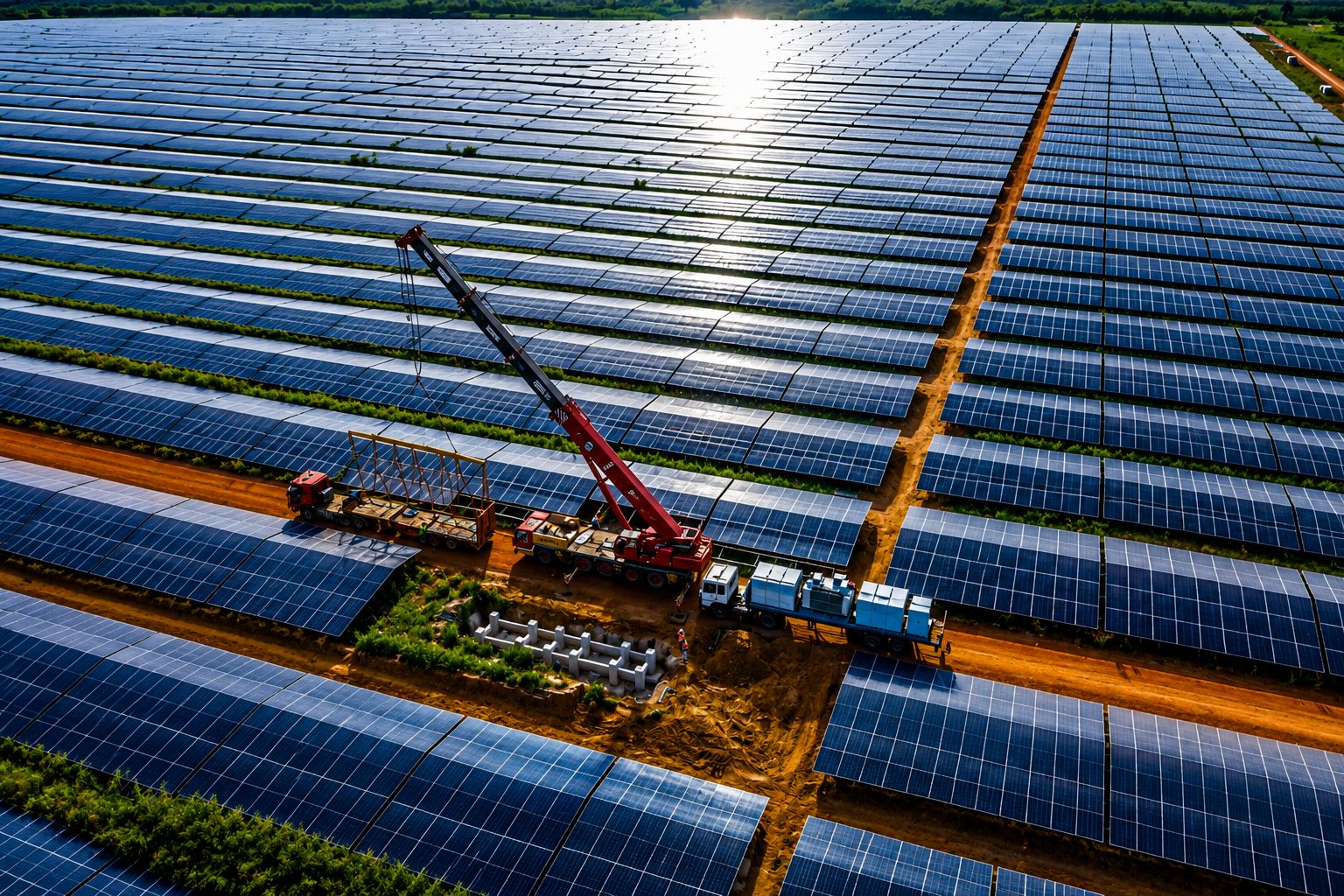
Nearly nine months of negotiations and the review of about 400 contractual provisions have cleared the legal path for EnerSynk Group's planned 500 MW solar power project in Zambia.

A planned 500 megawatt solar power plant in Zambia has entered a new stage after EnerSynk Group obtained legal and regulatory approvals from the Energy Regulation Board and the Office of the Attorney General.
The decision ends almost nine months of negotiations and clears the way for technical studies and funding activities before construction can begin. The approval removes one challenge facing the project and opens the next phase of development.
Zambia is increasing renewable electricity generation as it works to ease power shortages and supply more energy to industries, including its expanding copper mining sector.
The country wants to grow renewable energy capacity to 10 gigawatts by 2030, making large solar investments an important part of that objective.
Project enters technical and financing stage
EnerSynk Group secured the approvals after an extensive review involving Zambia's Energy Regulation Board and the Office of the Attorney General.
The process lasted almost nine months. During that period, company representatives and government authorities completed eight formal negotiation rounds and examined nearly 400 contractual provisions before agreeing on the legal framework for the project.
Since those approvals are now in place, the project has advanced into another phase. Work will now begin on a bankable feasibility study, a grid impact assessment, environmental and social impact studies, as well as financial arrangements needed before construction can start.
These activities will determine the project's technical design, environmental requirements, connection to the national electricity network and financing structure before any building work begins.
The proposed solar power plant is planned to operate for 25 years.
Project estimates indicate that the facility could earn between 2.8 billion dollars and 3.7 billion dollars in gross revenue during that period. The final amount will depend on the tariff agreed under the power purchase agreement.
Environmental benefits also form part of the project's projections. The solar plant is estimated to prevent about 835,000 tonnes of carbon dioxide emissions every year. Over its planned operating life, that would amount to more than 21 million tonnes of avoided emissions.
Although the facility will be located in Zambia, EnerSynk Group will coordinate the project's commercial activities and strategic management from its headquarters in Budapest, Hungary.
The company presented the development as an example of cooperation between Europe and Africa in clean energy development.
The project fits into Zambia's renewable energy programme, which aims to increase clean electricity generation as electricity demand continues to rise.
Electricity demand has been increasing from homes, businesses and industrial users, including the country's copper mining industry. Expanding renewable generation is intended to help improve electricity supply and support economic activity.
Following the approvals, EnerSynk Group's immediate priority will be to work with international investors and technical partners needed to prepare the project for construction.
Completion of the technical studies and financial arrangements will determine when the project is ready to proceed to the construction stage.
Related Stories

Sign up for our newsletter.
Get the latest news, expert analysis, and industry insights delivered straight to your inbox. Join thousands of professionals shaping the future of energy.
By submitting my information, I agree to the Privacy Policy and Terms of Service.