Renewables |Power
Ghana Links Solar Expansion to Manufacturing Growth
Ghana has revealed a renewable energy plan that places manufacturers at the front of its clean power agenda, pairing a 1.5GW solar programme with measures to secure electricity demand from industrial users before new plants begin operating.
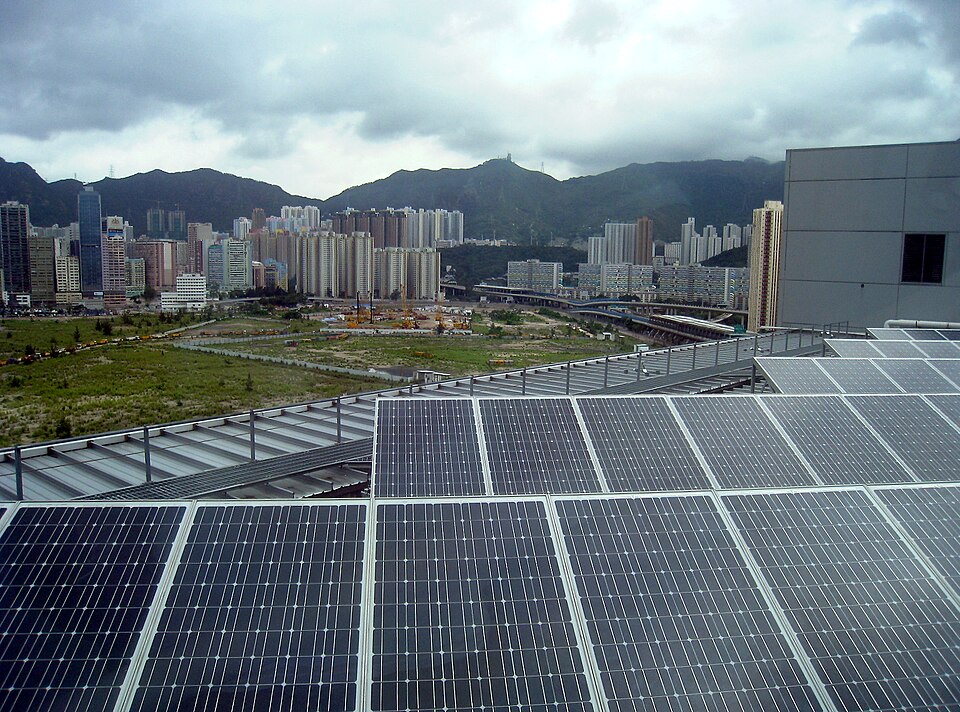
Ghana has tied a major renewable energy programme to its industrial growth plans, with construction of the first 100 megawatt utility scale solar facility set to begin this month under a 1.5 gigawatt programme backed by battery energy storage.
The initiative is intended to reduce electricity costs for manufacturers, attract investment, increase local production and support jobs by making goods produced in Ghana more competitive in local and export markets.
The programme has been considered part of the government's effort to expand domestic manufacturing instead of relying heavily on exporting raw materials and importing finished products. It also includes measures to give power developers buyers for their electricity before new plants begin operating.
Solar programme supports industrial expansion
Dr Augustus Goosie Tanoh, Senior Presidential Advisor and Coordinator of the 24 Hour Economy and Accelerated Export Development Secretariat, unveiled the programme on 7 July during the opening of Ghana Investment and Trade Week in Accra. The joint development agreement for the project was signed on 10 April.
Tanoh said the programme is designed mainly for industry instead of household electricity supply. He said lower electricity costs will reduce production expenses for manufacturers, attract investors and support employment by making goods produced in Ghana more competitive within the country and in export markets.
He also said the 24 Hour Economy programme is intended to reverse the long standing pattern of exporting raw materials and importing finished products.
The plan aims to increase domestic manufacturing capacity and expand production for local consumption and exports.
The renewable energy programme will also provide electricity for electric mobility projects, affordable housing and agro industrial parks.
Government prepares electricity market
Alongside construction plans, the government has started assembling electricity demand from industrial parks, inland ports and logistics hubs. The arrangement is meant to give investors guaranteed electricity sales before new solar facilities are completed.
The first 100MW project forms part of a larger programme to develop up to 1.5GW of utility scale solar generation backed by battery energy storage.
The initiative aligns with Ghana's renewable energy plans announced by the Minister for Energy and Green Transition, Dr John Abdulai Jinapor.
He has said the country aims to develop 1,000MW of solar generation capacity and is already running a 200MW competitive solar tender.
The minister said combining solar generation with battery storage will improve the reliability of electricity supply as demand increases.
The ministry is also finalising a 3.4 billion dollar strategic plan covering the 2026 to 2030 period. The plan includes the renewable energy value chain, electric mobility and three green economic zones in the Central, Volta and Savannah regions.
Ghana Investment and Trade Week was organised in partnership with the Ghana Chamber of Construction Industry, with support from the Trade Bureau of China's Ministry of Commerce, India's Engineering Export Promotion Council and the Ghana Investment Promotion Centre.
The event served as the platform for presenting the solar programme as part of the country's industrial and renewable energy agenda.
Related Stories
Sign up for our newsletter.
Get the latest news, expert analysis, and industry insights delivered straight to your inbox. Join thousands of professionals shaping the future of energy.
By submitting my information, I agree to the Privacy Policy and Terms of Service.