Renewables
Zambia Commissions Largest Solar Plant as Renewable Energy Pipeline Expands
The 136MW Itimpi II project strengthens Zambia’s solar capacity as new investments push forward additional utility-scale and battery storage developments.
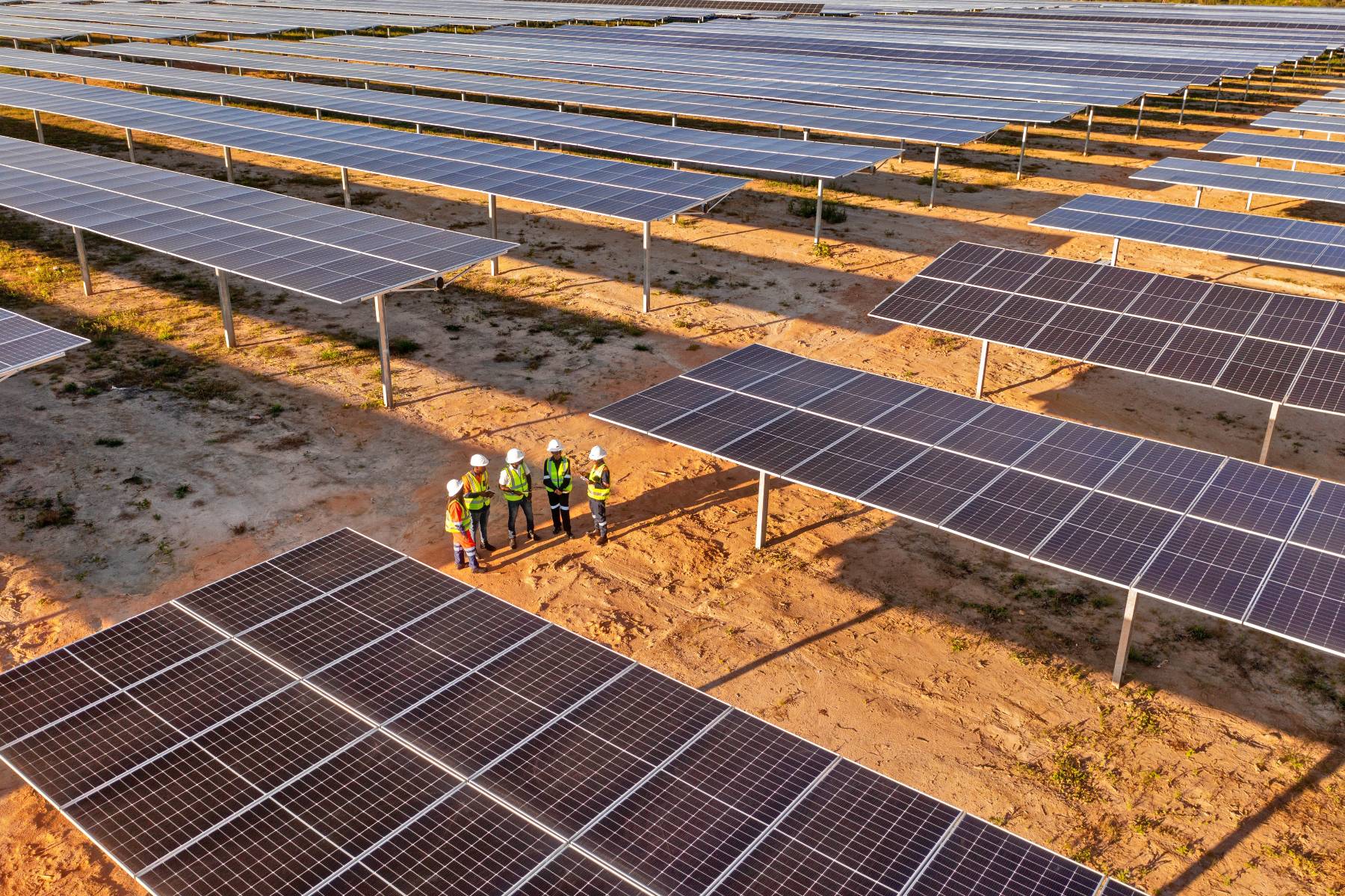
Zambia has commissioned its largest operational solar power plant to date, as the country accelerates investment in renewable energy projects to address electricity shortages and strengthen supply to industry.
The 136-megawatt Itimpi II solar plant, developed by Copperbelt Energy Corporation (CEC), has officially begun operations in Kitwe in northern Zambia.
The $125.8 million project was financed through CEC’s $200 million Green Bond programme, which the company said demonstrated the ability of local capital markets to support large-scale infrastructure projects without relying on sovereign debt.
CEC added that the remaining proceeds from the bond issuance would be directed towards battery energy storage systems.
Built across about 170 hectares, the project took 14 months to complete and created 2,568 jobs during construction, with more than 95 per cent of the workforce made up of Zambians.
The company also said the project engaged 15 local contractors and eight local consultants, while more than 100 permanent jobs have been retained after completion.
CEC Chief Executive Officer Owen Silavwe said the project was developed in response to Zambia’s power supply deficit and growing electricity demand from the industrial sector, particularly mining operations.
Following the commissioning of Itimpi II, CEC said its solar generation capacity has risen to 230 megawatts, with plans to exceed 500 megawatts by 2027.
Meanwhile, Zambia’s renewable energy pipeline continues to expand.
The Zambia Development Agency and Sunshare Energy Limited recently signed a $246 million investment promotion and protection agreement for the second phase of the Nambala solar power project in Mumbwa, located in the country’s Central Province.
The expansion will add 250 megawatts of solar capacity to the project, following an earlier 100-megawatt first phase. Total planned investment across both phases now stands at about $300 million.
Zambia Development Agency Director General Albert Halwampa said recent government reforms had shortened approval timelines for energy projects and improved the investment environment.
The latest developments come as Zambia increases efforts to diversify its energy mix and reduce pressure on hydropower generation, which has faced disruptions linked to drought conditions and low water levels.
Last month, independent power producer Globeleq also announced progress on a separate 250-megawatt solar project combined with a 150MW/600MWh battery energy storage system, described as Zambia’s largest hybrid renewable energy project.
The country is additionally developing the 100-megawatt Chipata West solar project as part of a broader government plan to deploy 1 gigawatt of solar capacity across ten sites.
According to the Africa Solar Industry Association, Zambia currently has about 977.2 megawatts of operational solar capacity.
Related Stories
Sign up for our newsletter.
Get the latest news, expert analysis, and industry insights delivered straight to your inbox. Join thousands of professionals shaping the future of energy.
By submitting my information, I agree to the Privacy Policy and Terms of Service.