Power
Nigeria’s Transmission Network Can Carry 8,700MW, Says TCN
Nigeria’s transmission network can handle 8,700MW, but the highest volume ever wheeled was 5,801.84MW in 2025.
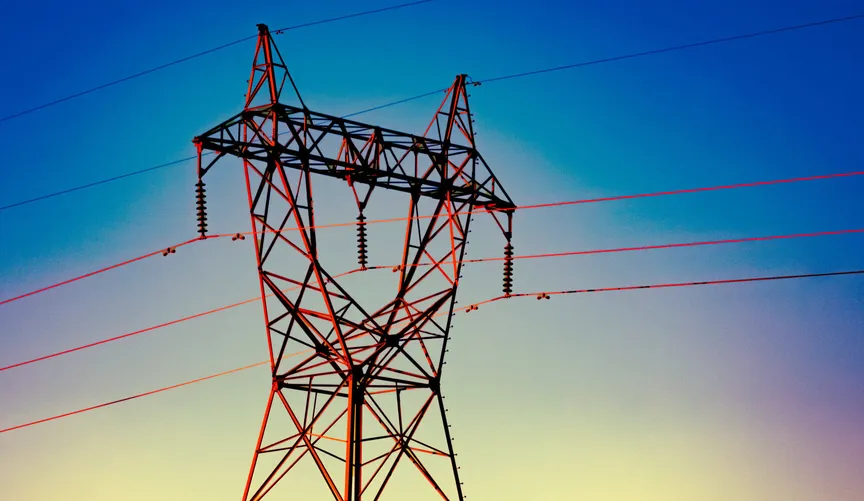
Nigeria’s power transmission network now has capacity to wheel 8,700 megawatts, but the amount of electricity actually carried through the grid has remained well below that level, the Transmission Company of Nigeria (TCN) has said.
TCN Executive Director, Transmission Service Provider, Ajiboye Oluwagbenga, said the gap had less to do with the physical capacity of the transmission network and more with the amount of power distribution companies are ready to take.
He disclosed this on Thursday at a training workshop in Keffi, Nasarawa State, where he also revealed that TCN had secured more than $1.4bn, about N1.87tn, in loans and grants for grid expansion.
The money, secured mainly in the past 12 months, has helped finance transmission infrastructure, including 89 power transformers commissioned in different parts of the country.
Oluwagbenga said the 8,700MW figure was based on simulation and had not yet been tested physically. He said TCN had chosen not to include some of the additional capacity installed during the past six months in its current figure.
“For the past six months, we have added so much capacity, but we just don’t want to do that now. We are leaving it at 8,700MW. The meaning is this: where we have all the facilities, if the Discos are ready to pick up load, we can conveniently wheel 8,700MW,” he stated.
The difference between available transmission capacity and actual use was shown by the country's highest recorded wheeling figure.
Grid investment has lifted capacity
TCN said its transmission capacity had also gone above 8,500MW, with its transformers capable of carrying the available electricity to distribution companies when fully loaded.
“When you now look at our transmission capacity in TCN, which you can confirm from the figures and data we will supply to you, we already have a transmission capacity of over 8,500MW. The meaning is this: if all our transformers are fully loaded, we can successfully transmit this power to the distribution companies,” he said.
The transmission company secured the financing through partnerships with the World Bank, African Development Bank, Japan International Cooperation Agency and Agence Française de Développement.
Oluwagbenga stressed the cost of building the infrastructure needed to expand the network.
“These things don’t come cheap at all. The investment made so far, accumulated in the last 12 months, that we have secured is in excess of $1.4bn from multilateral and development financing mobilised for TCN expansion.
“When we are talking about the transmission wheeling capacity, we stand at 8,700MW. It has not been physically tested, but it has been simulated. So presently, that is where we are,” he said.
The investment has therefore increased the amount of electricity the transmission network can carry, even though the system has not yet operated at the full simulated capacity.
Oluwagbenga said the highest volume of electricity transmitted through the national grid was 5,801.84MW in 2025.
“In 2025, when things were okay, we were able to wheel 5,801.84MW across the grid. That is the peak we have ever done. It is not because this industry does not have the capacity, but because these distribution companies are claiming that this is business now. If they are not getting their revenue, they are not ready to take the power. So, that is limiting us,” he said.
TCN rejects blame for supply cuts
The TCN executive also rejected claims that transmission infrastructure was responsible for supply restrictions blamed on the network.
He cited a recent complaint from Abuja Disco, saying checks by TCN found no fault on its lines supplying Abuja.
“When they say TCN is the weakest link, we are working there, and we know it is not true. But we don’t have to shout too much because we are a government agency.
“You could see for the past two days now, Abuja Disco is claiming that TCN is the cause of its constraint for reduced supply to its customers. We have looked around our network, and nothing has gone bad in our network. All our lines to Abuja are on. We have responded to them that no, because they find it very easy to blame TCN for everything,” he said.
The company is also dealing with damage to transmission infrastructure through vandalism.
Oluwagbenga said attacks on towers, lines, substations and projects were consuming funds needed for transmission development.
“Persistent attacks continue to threaten towers, lines, substations and projects. While those who attack this infrastructure are Nigerians, it is sad that they prioritise their pockets over the general benefit of Nigerians,” he said.
TCN is working with the Office of the National Security Adviser and other security agencies on the prosecution of suspects arrested over vandalism.
Oluwagbenga also advised the public to report unauthorised activity around transmission lines because the people involved could be armed.
“Our staff don’t work on lines or remove anything from them except when there is an issue. So, anyone seen working on transmission lines should be reported to the police or vigilantes close to them.
“This is because the perpetrators are criminals and might be armed. So, any sighting of unauthorised activity should be reported,” he added.
The figures presented by TCN show a substantial gap between the electricity the network can carry and the amount that has actually passed through it. The company says its expanded infrastructure can carry 8,700MW if distribution companies are ready to take the available power.
Related Stories
Sign up for our newsletter.
Get the latest news, expert analysis, and industry insights delivered straight to your inbox. Join thousands of professionals shaping the future of energy.
By submitting my information, I agree to the Privacy Policy and Terms of Service.