Power
Gambia’s Rising Power Demand Puts Access Gains under Pressure
The Gambia’s expanding electricity access is driving higher consumption, exposing pressure points in the power system as the government works to eliminate persistent outages.
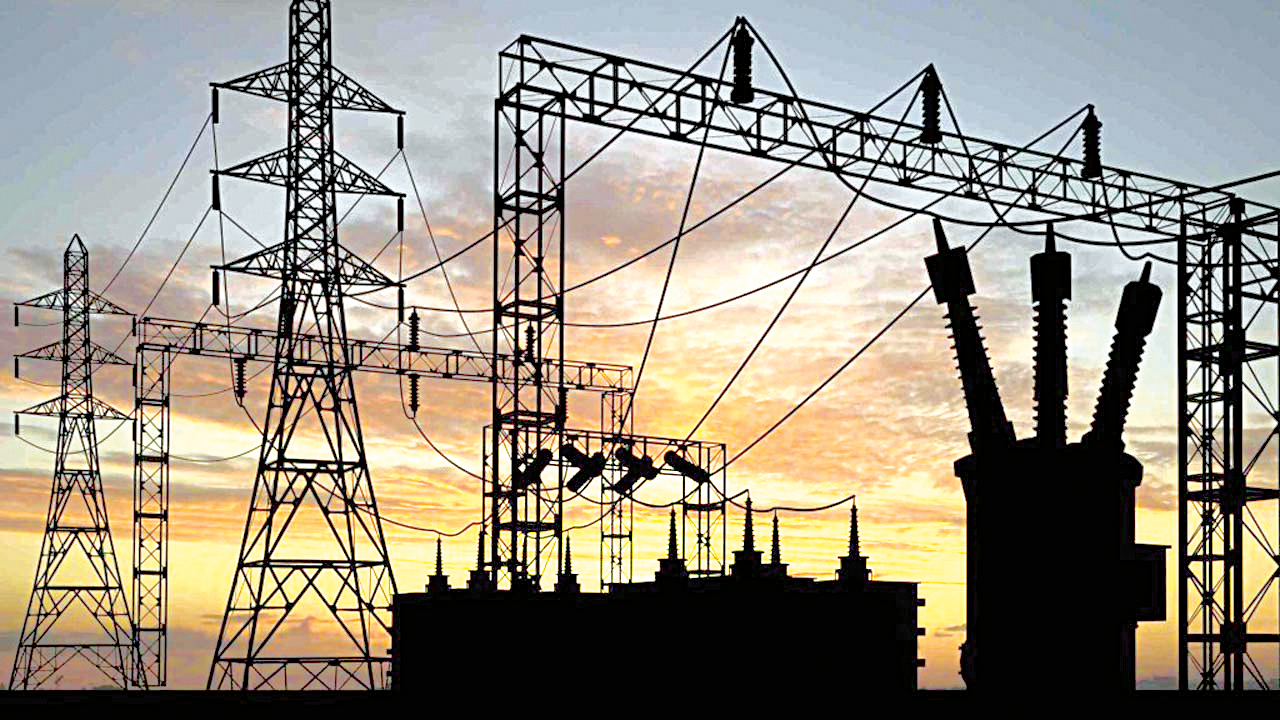
The Gambia’s rapid expansion of electricity access is putting greater pressure on the country’s power system, with rising demand contributing to persistent outages in some communities.
Petroleum, Energy and Mines Minister Nani Juwara said about 90% of communities now have access to electricity, up from 43% before President Adama Barrow took office. The government is targeting universal access by the end of 2026.
Speaking at a governing National People’s Party rally in New Jeshwang, Juwara acknowledged public frustration over power cuts, including nighttime outages, and urged affected residents to remain patient while authorities work with the National Water and Electricity Company (NAWEC) to address the problems.
Rising consumption adds pressure to the power system
The expansion in access has brought a corresponding increase in electricity consumption. More households and businesses are now connected to the grid and are using appliances such as air conditioners, creating demand that the existing system must accommodate.
Juwara pointed to the growing use of multiple electricity meters within compounds as evidence of changing consumption patterns. He also noted that air conditioning, which was previously uncommon, is now increasingly used in homes and offices.
“Air conditioning is now common in homes and offices, compared to the past when only fans were available,” he said.
The shift means that the government’s electricity challenge is no longer limited to extending connections to communities without power. Maintaining reliable supply as consumption rises is becoming equally important.
Juwara added that equipment failures and other technical problems were contributing to the current disruptions, while assuring residents that the ministry was working with NAWEC to resolve them.
“The ministry is doing everything possible to end the electricity crisis,” he said.
The government’s target of connecting every community by the end of 2026 will require continued investment not only in access infrastructure but also in generation, transmission and distribution capacity.
Juwara also cited improvements in New Jeshwang, where he said electricity access and other infrastructure had improved considerably under the Barrow administration.
His comments come as the government prepares to defend its development record ahead of the December presidential election. Electricity reliability is likely to remain an important part of that debate, particularly for households and businesses experiencing repeated outages.
Related Stories


Sign up for our newsletter.
Get the latest news, expert analysis, and industry insights delivered straight to your inbox. Join thousands of professionals shaping the future of energy.
By submitting my information, I agree to the Privacy Policy and Terms of Service.