Power
Nigeria's Minister of Power Resigns
Adelabu’s resignation to contest Oyo governorship highlights the intersection of politics and Nigeria’s power sector reforms, raising questions about policy continuity and sector stability.

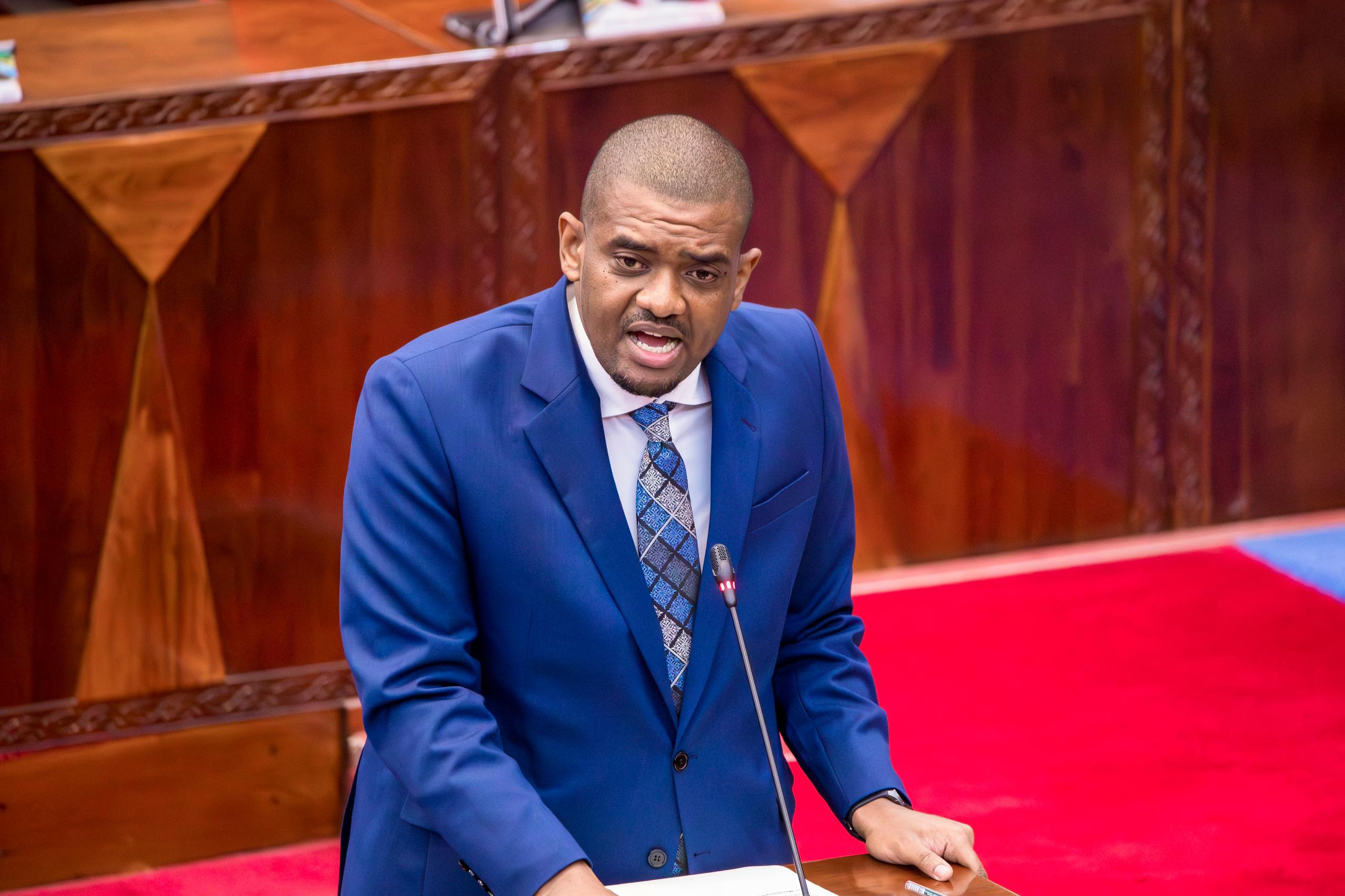
Nigeria's Minister of Power, Adebayo Adelabu, has resigned his position to pursue his governorship ambition in Oyo State.
Adelabu, in a resignation letter dated April 22, 2026, and addressed to President Bola Tinubu, said the decision would take effect from April 30, 2026, to allow for a smooth transition.
According to the letter, the minister was stepping down with a deep sense of honour and profound gratitude.
“I write with a deep sense of honour and profound gratitude to formally tender my resignation as the Minister of Power of the Federal Republic of Nigeria.
“This resignation is to take effect on 30th April 2026, in order to allow sufficient time for a smooth and orderly handover of responsibilities,” he wrote.
Adelabu disclosed his intention to resign during a meeting with President Bola Tinubu on Tuesday, where he presented a report on his stewardship in the power sector over the past two and a half years.
According to a statement by his Special Adviser on Strategic Communications and Media Relations, Tunji Bolaji, the minister is expected to step down after concluding key engagements aimed at ensuring continuity in ongoing reforms within the sector.
The statement noted that the timing of the planned resignation reflects efforts to address pressing challenges, including recent declines in electricity generation linked to gas supply constraints, ongoing pipeline repairs and outstanding obligations to gas suppliers. It added that Adelabu is also seeking presidential approval to formalise his resignation and political ambition.
During the meeting, the minister outlined milestones recorded under his leadership, including initiatives to stabilise electricity generation, strengthen transmission capacity and implement reforms across the power value chain.
He also presented key policy frameworks, including the National Integrated Electricity Policy and its Strategic Implementation Plan, alongside a Medium- to Long-Term Integrated Resource Plan designed to guide sustainability and succession in the sector.
The National Integrated Electricity Policy provides a long-term roadmap for achieving energy security, expanding access to electricity, integrating renewable energy and improving overall sector efficiency.
Meanwhile, the Strategic Implementation Plan serves as the operational framework detailing timelines, actions and institutional responsibilities required to deliver on policy objectives across generation, transmission and distribution.
President Tinubu, according to the statement, commended Adelabu for his contributions to the sector and the policy groundwork laid for future reforms. The President also gave his consent for the minister to pursue his gubernatorial ambition in Oyo State.
Related Stories



Sign up for our newsletter.
Get the latest news, expert analysis, and industry insights delivered straight to your inbox. Join thousands of professionals shaping the future of energy.
By submitting my information, I agree to the Privacy Policy and Terms of Service.