Finance |Power
Tanzania Proposes $967m Energy Budget to Expand Power, Gas Infrastructure
Tanzania’s $967m energy budget signals aggressive investment in power, gas and infrastructure, aimed at boosting access, supporting industrial growth and strengthening long-term energy security.
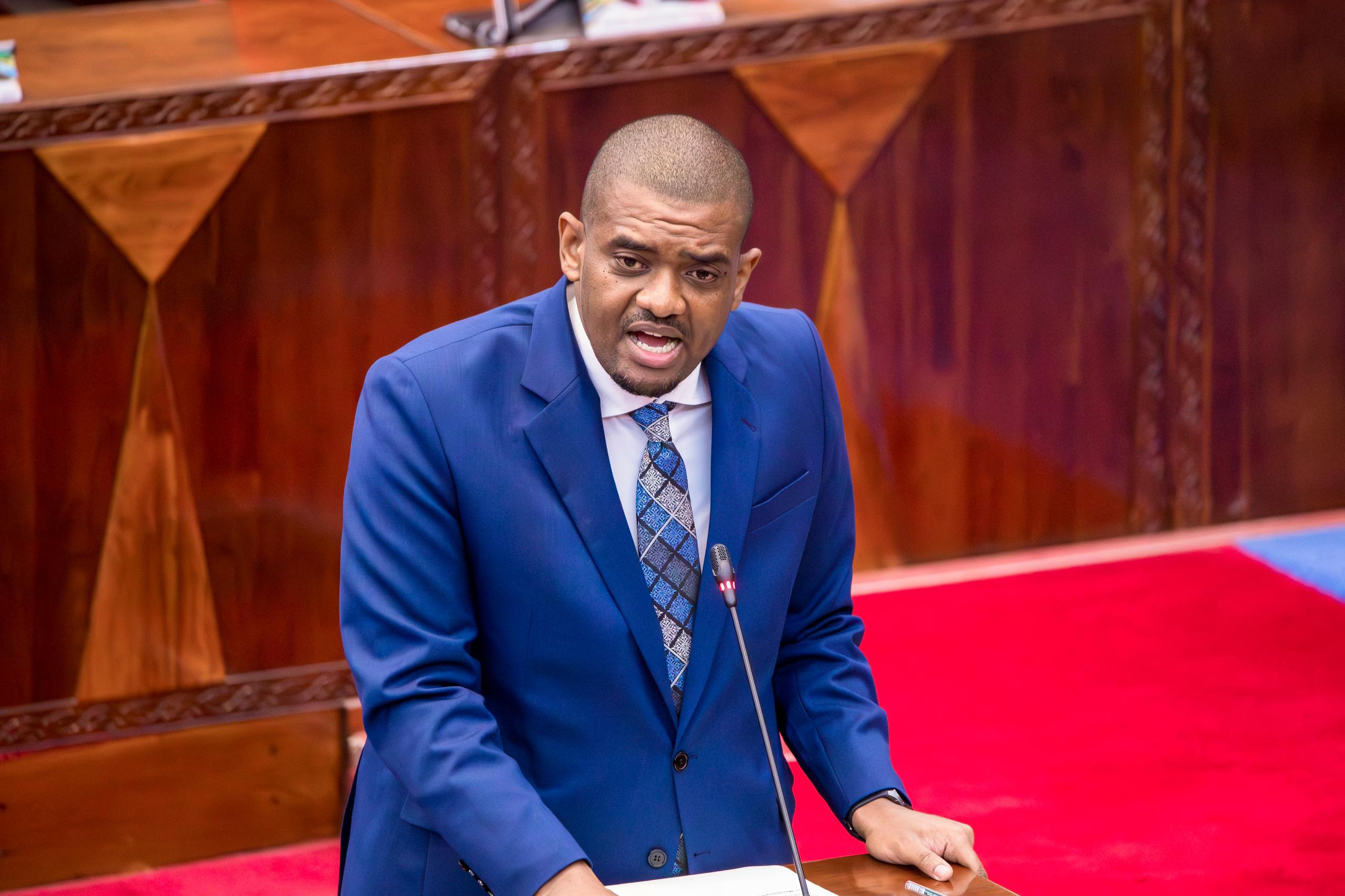
Tanzania has proposed a $967.3 million budget for its energy sector in the 2026/2027 financial year, with a strong focus on expanding electricity, natural gas and fuel infrastructure to support economic growth.
The Minister of Energy, Deogratius Ndejembi, disclosed this while presenting the ministry’s estimates to parliament, noting that $943.2 million of the total allocation is earmarked for development projects, while $24.1 million is for recurrent expenditure.
According to him, $613.8 million will be funded from domestic sources, with $329.4 million expected from external financing.
Ndejembi said the investment reflects the government’s commitment to strengthening energy infrastructure to drive industrialisation and improve service delivery across the country.
He revealed that installed electricity generation capacity rose to 4,522.54 megawatts in March 2026, up from 4,031.71 megawatts recorded a year earlier, while peak demand increased to 2,199.06 megawatts.
The country also recorded expansion in its transmission and distribution networks, with transmission lines increasing to 8,500.38 kilometres from 7,809.67 kilometres, and distribution lines growing to 240,229.56 kilometres from 200,266.25 kilometres.
Electricity access has improved to 85.5 per cent, compared to 78.4 per cent in 2020, while the proportion of the population connected to power rose to 52.1 per cent from 37.7 per cent.
The government is targeting 8.3 million new electricity connections by 2030, which is expected to increase connectivity to 75 per cent.
Ndejembi said the country would continue to leverage major generation assets such as the Julius Nyerere Hydropower Project, while advancing additional hydro and solar projects across various regions.
He also highlighted ongoing transmission projects, including the Chalinze–Dodoma 400kV line and the Iringa–Sumbawanga line, as part of efforts to strengthen the national grid.
On rural electrification, the minister said all 64,359 hamlets on mainland Tanzania are expected to be connected to electricity by 2030, with ongoing programmes already covering a significant number of communities.
In the gas sector, he noted that compressed natural gas infrastructure is expanding, with the number of CNG stations doubling from nine to 18, alongside new facilities for vehicle conversion and distribution.
Gas production from Songo Songo and Mnazi Bay fields reached 41,530.94 million cubic feet, while additional projects in Ntorya are expected to further boost output. The government also disclosed plans to strengthen fuel supply security through expanded strategic storage, including a reserve facility in Kigamboni.
Related Stories


Sign up for our newsletter.
Get the latest news, expert analysis, and industry insights delivered straight to your inbox. Join thousands of professionals shaping the future of energy.
By submitting my information, I agree to the Privacy Policy and Terms of Service.