Finance
AfDB Approves $3.9m Programme to Accelerate Africa’s Energy Compacts
The African Development Bank has approved a $3.9 million technical assistance programme to help African countries accelerate the implementation of national Energy Compacts under Mission 300, as governments seek to translate power-sector reforms into expanded electricity access across the continent.
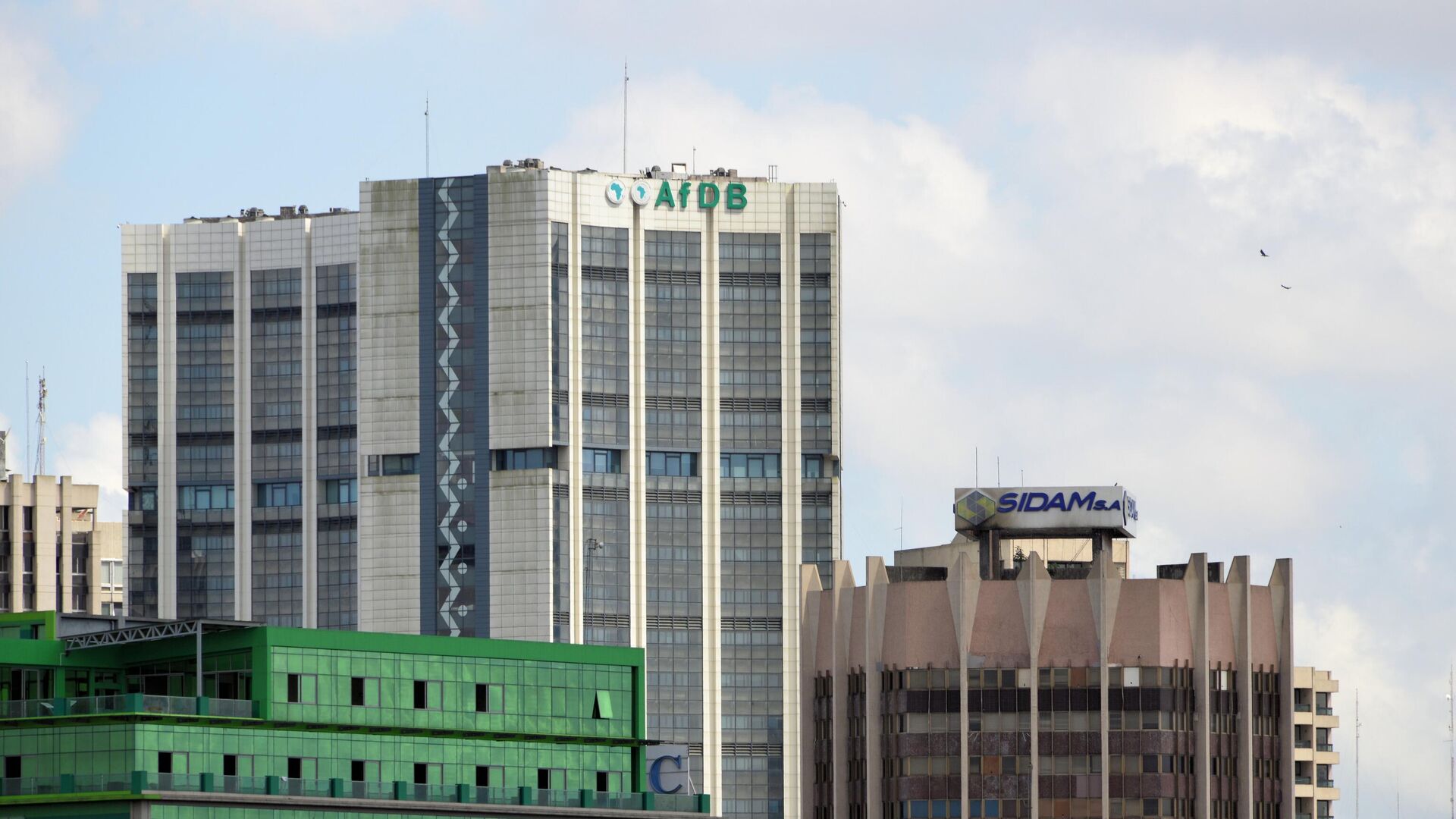
The African Development Bank (AfDB) has approved a $3.9 million, two-year technical assistance programme to help African countries convert national energy pledges into actual electricity connections under Mission 300, the joint AfDB–World Bank plan to connect 300 million Africans to electricity by 2030.
In a statement seen by AEP, the programme, known as AESTAP Mission 300 Phase II, will provide direct upstream support to 13 African countries, including Nigeria, Kenya, Ethiopia, Tanzania, and the Democratic Republic of Congo, to move from energy planning to on-the-ground power delivery.
Energy Compacts are country-led plans outlining how governments intend to expand electricity access, strengthen utilities, reform regulation, and attract private investment. While many African countries launched these compacts in 2025 with strong political backing, implementation gaps have slowed progress towards new connections.
Under Phase II, AfDB, working with the Sustainable Energy Fund for Africa (SEFA), will support governments to reform electricity regulations and tariffs, improve power-sector planning, and strengthen utilities to reduce losses and improve reliability. The programme will also embed technical advisers within national Compact Delivery and Monitoring Units to help coordinate reforms and track progress.
According to Wale Shonibare, Director of Energy Financial Solutions, Policy and Regulation at AfDB, the goal is to ensure that energy commitments translate into real access for households and businesses. “Countries have made bold commitments through their energy compacts. This programme focuses on implementation, so communities actually get electricity,” he said.
Phase II builds on AESTAP Mission 300 Phase I, approved in December 2025, which provided about $1 million to help countries establish Compact Delivery and Monitoring Units within government. While Phase I focused on institutional setup and planning, Phase II targets execution, including regulatory reforms, utility strengthening, and cross-country learning through tools such as the Electricity Regulatory Index.
The programme will be implemented alongside other Mission 300 partners, including governments and development institutions, as AfDB seeks to accelerate electricity access across the continent amid rising demand, fiscal pressure, and the push for private capital mobilisation.
Related Stories

Sign up for our newsletter.
Get the latest news, expert analysis, and industry insights delivered straight to your inbox. Join thousands of professionals shaping the future of energy.
By submitting my information, I agree to the Privacy Policy and Terms of Service.