Finance |Renewables |Policy & Governance
Africa Green Energy Summit 2026 Ends With Call for Climate Finance
Investors, policymakers, and industry leaders call for scaled climate finance at Africa’s Green Economy Summit 2026, highlighting digital solutions, water security, and energy-linked food security.
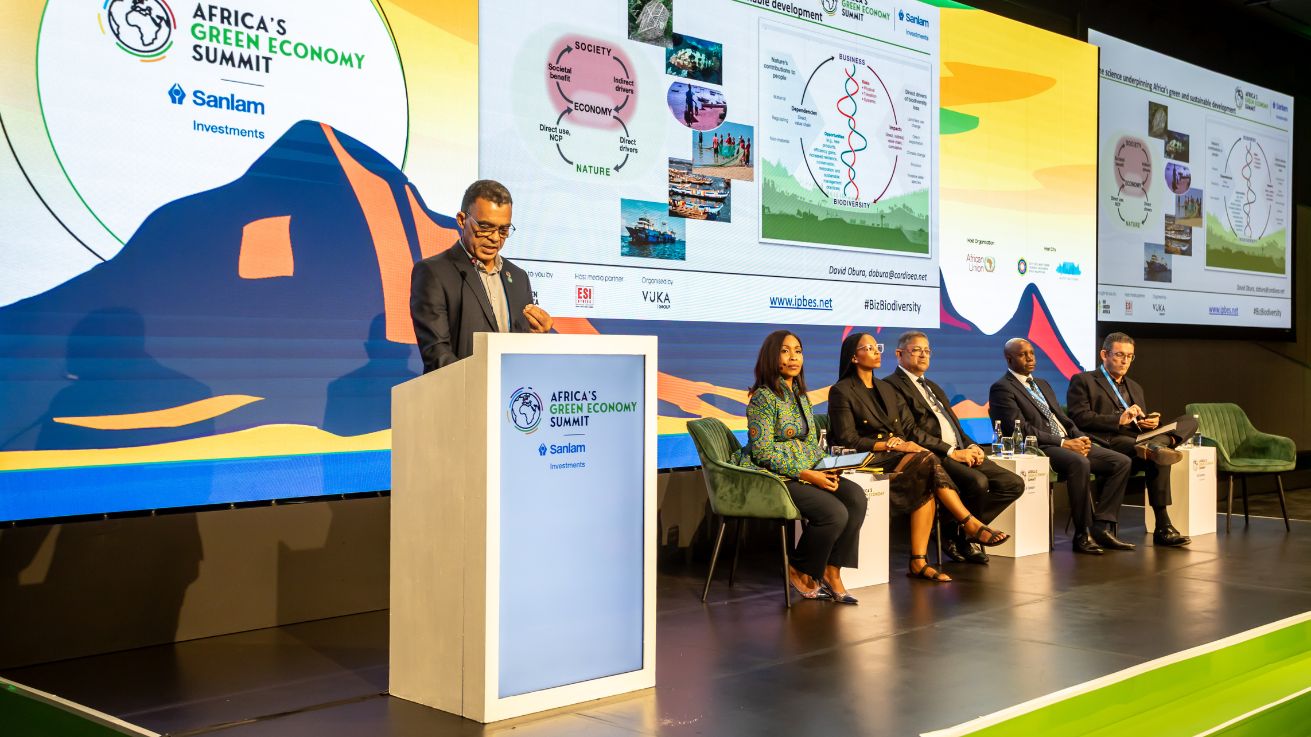
Cape Town hosted Africa’s flagship green economy conference, the Africa’s Green Economy Summit (AGES) 2026, issuing a strong call for the continent to go beyond declarations and mobilise capital at scale to seize the climate transition opportunity.
The summit, held from February 24 to 27 in Cape Town, convened more than 600 delegates from 42 countries. Discussions centred on climate finance, digital transformation, water security, and sustainable agriculture under the theme “From Ambition to Action: Scaling Investment in Africa’s Green and Blue Solutions.”
Sanlam Investment Group CEO Carl Roothman said that ambition without execution at scale is insufficient, while Iain Banner, co-founder of Go Green Africa and the summit, described Africa’s green and blue economies as essential operating systems, not mere aspirational goals.
South African Deputy Minister of Forestry, Fisheries and Environment, Narend Singh, urged governments to build local value chains instead of exporting raw minerals, citing South Africa’s Just Energy Transition Partnership and renewable energy programmes as examples of policy turning into action.
He said that large-scale transformation requires collaboration among investors, academia, industry and government, particularly in preparing a skilled workforce for emerging green sectors.
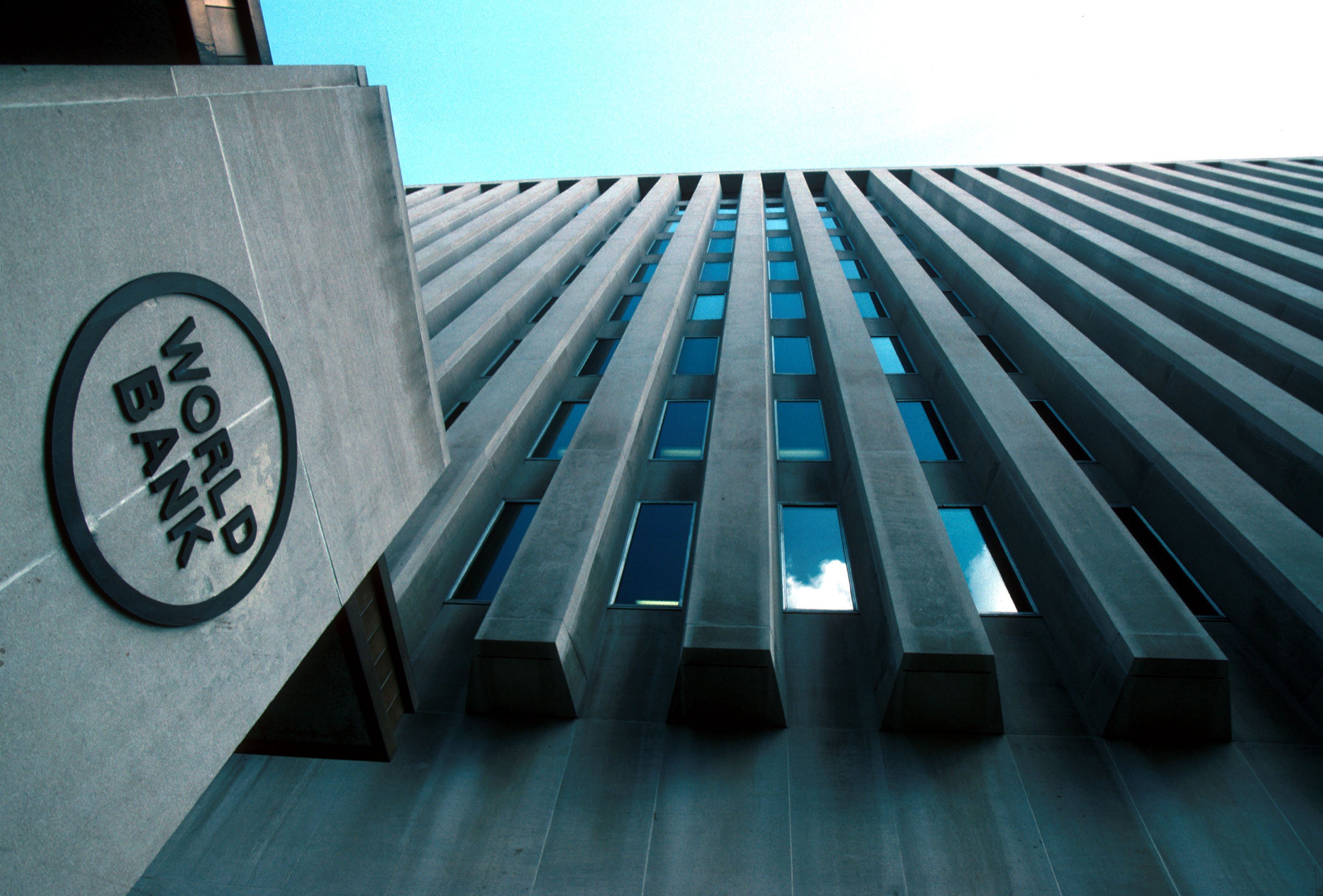
Speakers spotlighted the role of digital and water systems in climate resilience. World Bank’s Siddhartha Raja noted that data centres could anchor renewable energy investment, while the Digital Impact Alliance warned that AI tools must reflect African realities.
Meanwhile, WRI Africa’s Obadiah Mungai stressed improved water governance, and The Nature Conservancy’s Louise Stafford highlighted nature-based water solutions, drawing lessons from Cape Town’s “Day Zero” drought.
Energy access and food security were also linked, with participants noting smallholder farmers generating hydropower for extra income and Standard Bank’s Andrea Campher citing the EU’s Carbon Border Adjustment Mechanism as an incentive for emissions accountability. The Africa Climate Finance Tracking Report 2025 revealed that current climate finance covers only 25 percent of Sub-Saharan Africa’s needs.
The next summit is set for March 17–19, 2027, in Cape Town.
Related Stories

Sign up for our newsletter.
Get the latest news, expert analysis, and industry insights delivered straight to your inbox. Join thousands of professionals shaping the future of energy.
By submitting my information, I agree to the Privacy Policy and Terms of Service.