Power |Finance
World Bank Commits $50bn to Africa Electricity Plan
The Mission 300 programme aims to provide electricity to 300 million people by 2030 and has delivered power to 44 million people since it was announced.
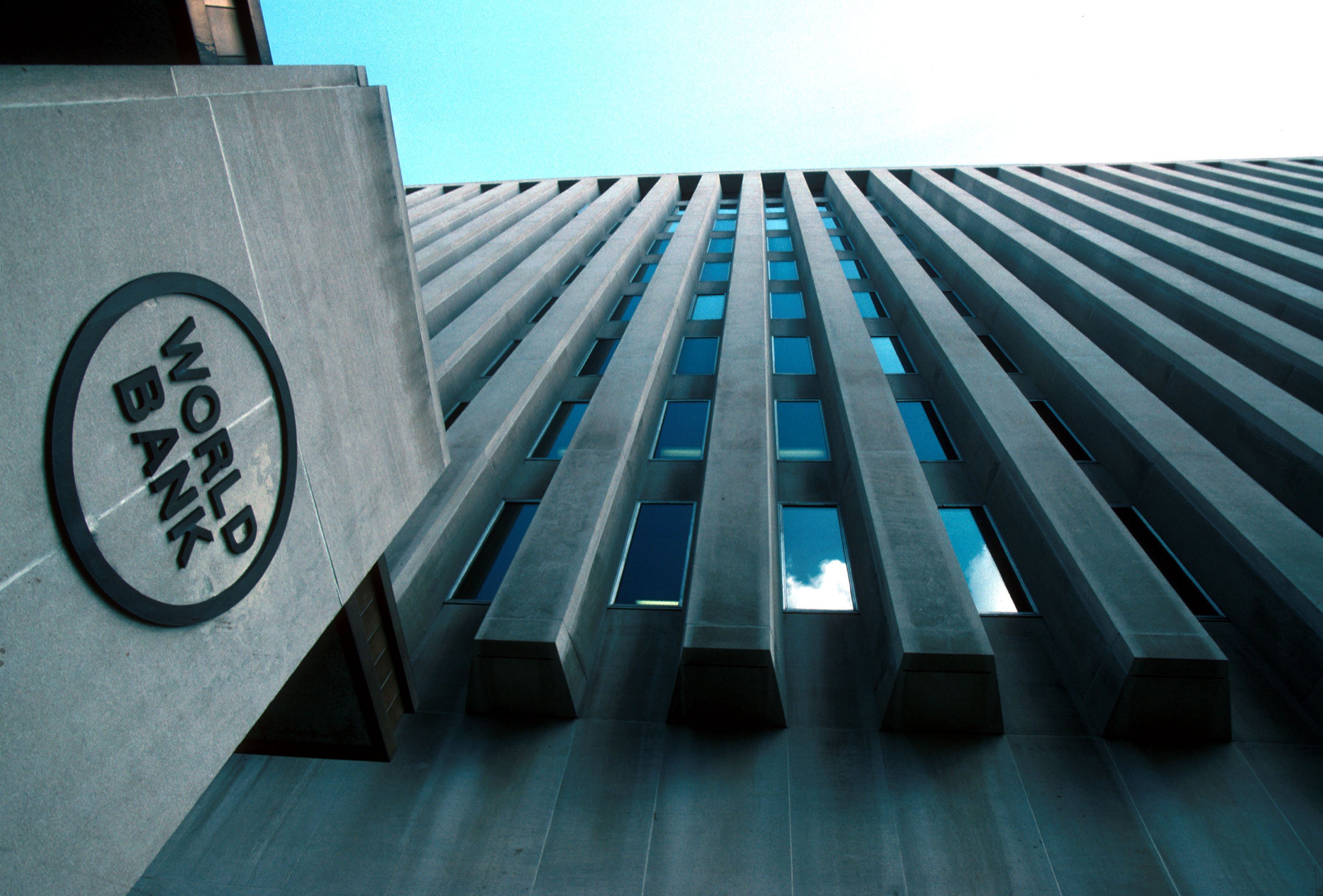
More than $50 billion has been committed to a major initiative designed to cut the number of people without electricity in Africa by half, according to the World Bank.
The programme, known as Mission 300, aims to provide electricity to 300 million people by 2030 and has already delivered power to about 44 million people since its official launch. The initiative was unveiled during a conference in Dar es Salaam, Tanzania, in January 2025.
According to the World Bank, the committed funding includes concessional loans from its own resources and from the African Development Bank, alongside financing from other development institutions and the private sector.
The programme seeks to address one of sub-Saharan Africa’s biggest development challenges—limited access to electricity.
Nearly 570 million people in the region currently live without electricity, representing almost half of the population. Analysts say the lack of reliable power continues to hinder education, employment and economic productivity in a region where about 70 per cent of the population is under the age of 30.
30 African countries have developed national compacts outlining the investments, reforms and infrastructure required to expand electricity access in order to drive the initiative.
The World Bank, working with the Rockefeller Foundation, has also supported some governments in establishing Compact Delivery and Monitoring Units to oversee implementation. These units include technical experts tasked with advising governments on programme delivery.
The Rockefeller Foundation recently announced an additional $10 million to support the initiative through the Global Energy Alliance for People and Planet.
The funding will initially assist electrification programmes in Liberia and Malawi, while earlier support had been provided to Nigeria, Senegal and Ivory Coast. Additional support is expected to extend to Lesotho, Zambia, Chad, Togo and Ethiopia in the coming stages of the programme.
“African governments are choosing to transform their energy sectors by committing to National Energy Compacts, driving forward ambitious reforms, and investing in African-led solutions to connect hundreds of millions of people to electricity. These new connections will reduce reliance on costly and dangerous alternatives, helping Africans build businesses and improve agricultural yields, while fueling job creation, education, healthcare, and hope,” said William Asiko, Senior Vice President and Head of Africa at The Rockefeller Foundation.
The World Bank said millions more people are expected to gain access to electricity through the initiative by the end of 2026, as new projects and financing arrangements are implemented across participating countries.
Related Stories
Sign up for our newsletter.
Get the latest news, expert analysis, and industry insights delivered straight to your inbox. Join thousands of professionals shaping the future of energy.
By submitting my information, I agree to the Privacy Policy and Terms of Service.