Power
Africa Nuclear Energy Summit Begins in Kigali
Kigali Hosts an African nuclear Energy summit as Leaders and Experts seek ways to turn power ambitions into bankable projects.
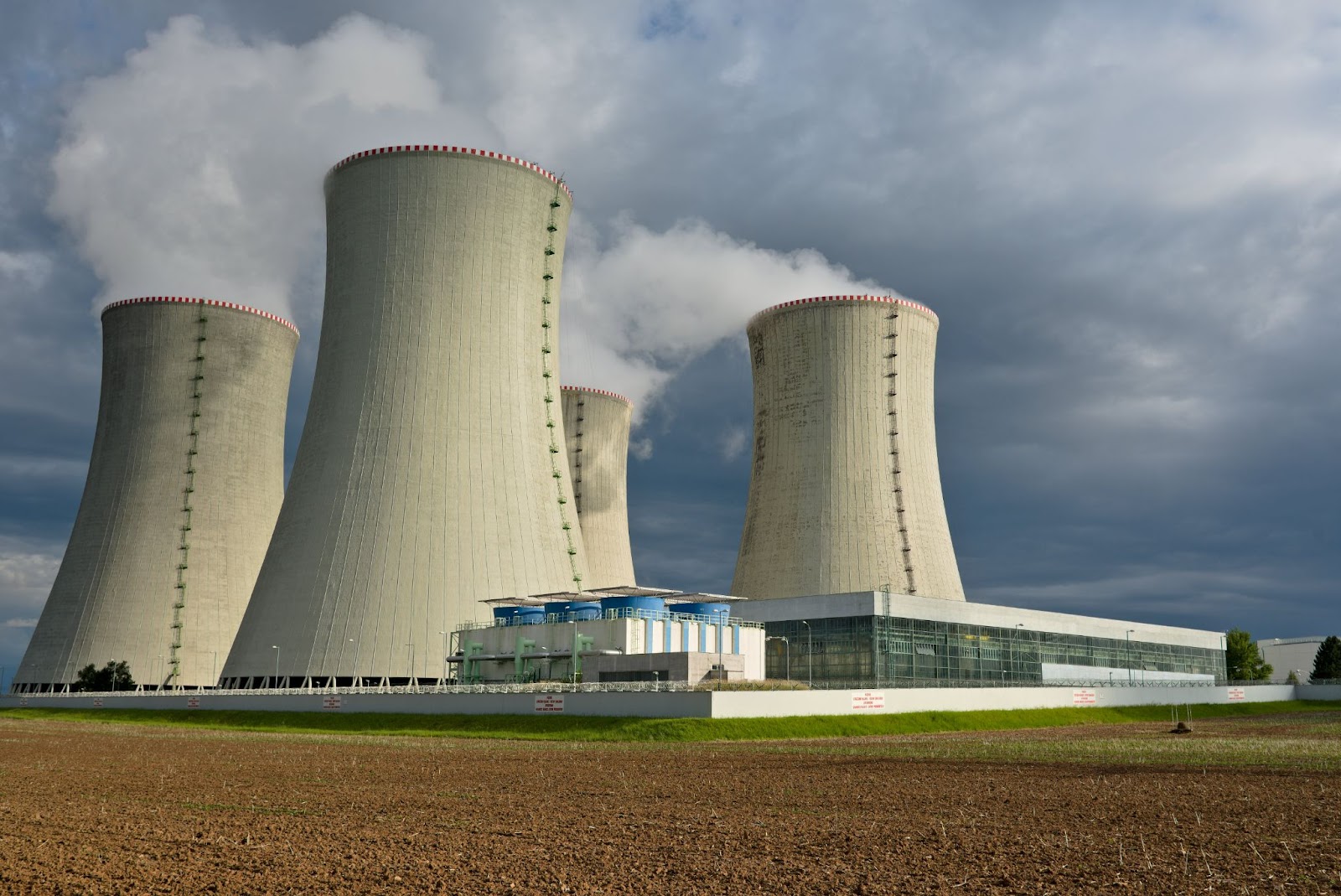
A summit on nuclear energy has opened in Rwanda’s capital, Kigali, bringing together African leaders, international experts and financiers to discuss how the continent can turn nuclear ambitions into workable power projects.
The second edition of the Nuclear Energy Innovation Summit for Africa, known as NEISA 2026, runs until 21 May and is focused on how nuclear energy could help meet Africa’s rising electricity demand.
Rwandan President Paul Kagame is due to officially open the meeting, which is taking place under the theme: Powering Africa’s future: Turning Nuclear Energy Ambition into Investable Reality.
Among those expected are the presidents of Tanzania and the council of ministers in Togo, as well as Niger’s prime minister.
Senior figures from the International Atomic Energy Agency, the World Nuclear Association and the OECD Nuclear Energy Agency are also attending.
Lassina Zerbo, chairman of the Rwanda Atomic Energy Board, said financing remained the biggest challenge for nuclear power projects in Africa.
He said the summit was therefore focusing on ways to make projects more attractive to investors and lenders.
“We have invited financial institutions including the World Bank, the African Development Bank, the West African Development Bank, and the National Bank of Rwanda,” he told Rwanda Broadcasting Agency on 18 May.
The programme includes panel discussions on financing, investment opportunities, regulatory readiness and social acceptance.
Organisers say one aim is to produce a Nuclear Energy Financing Reference Framework, as well as regional cooperation plans and a post-summit action framework for 2026-2027.
Zerbo said nuclear power was not a new idea for Africa, but that recent technological advances had changed the debate.
He said small modular reactors could offer a more practical option for many African countries whose electricity grids are not yet able to absorb the output of large conventional plants.
He also sought to address public fears about nuclear energy, saying its uses went beyond electricity generation and included medicine, agriculture and food security.
The summit is being organised with the support of the IAEA, the UN Economic Commission for Africa, the OECD Nuclear Energy Agency, the World Nuclear Association and the World Nuclear Exhibition.
Related Stories
Sign up for our newsletter.
Get the latest news, expert analysis, and industry insights delivered straight to your inbox. Join thousands of professionals shaping the future of energy.
By submitting my information, I agree to the Privacy Policy and Terms of Service.