Power
TCN, AfDB Begin New Compensation, Skills Support for Communities Affected by Alaoji–Onitsha Project
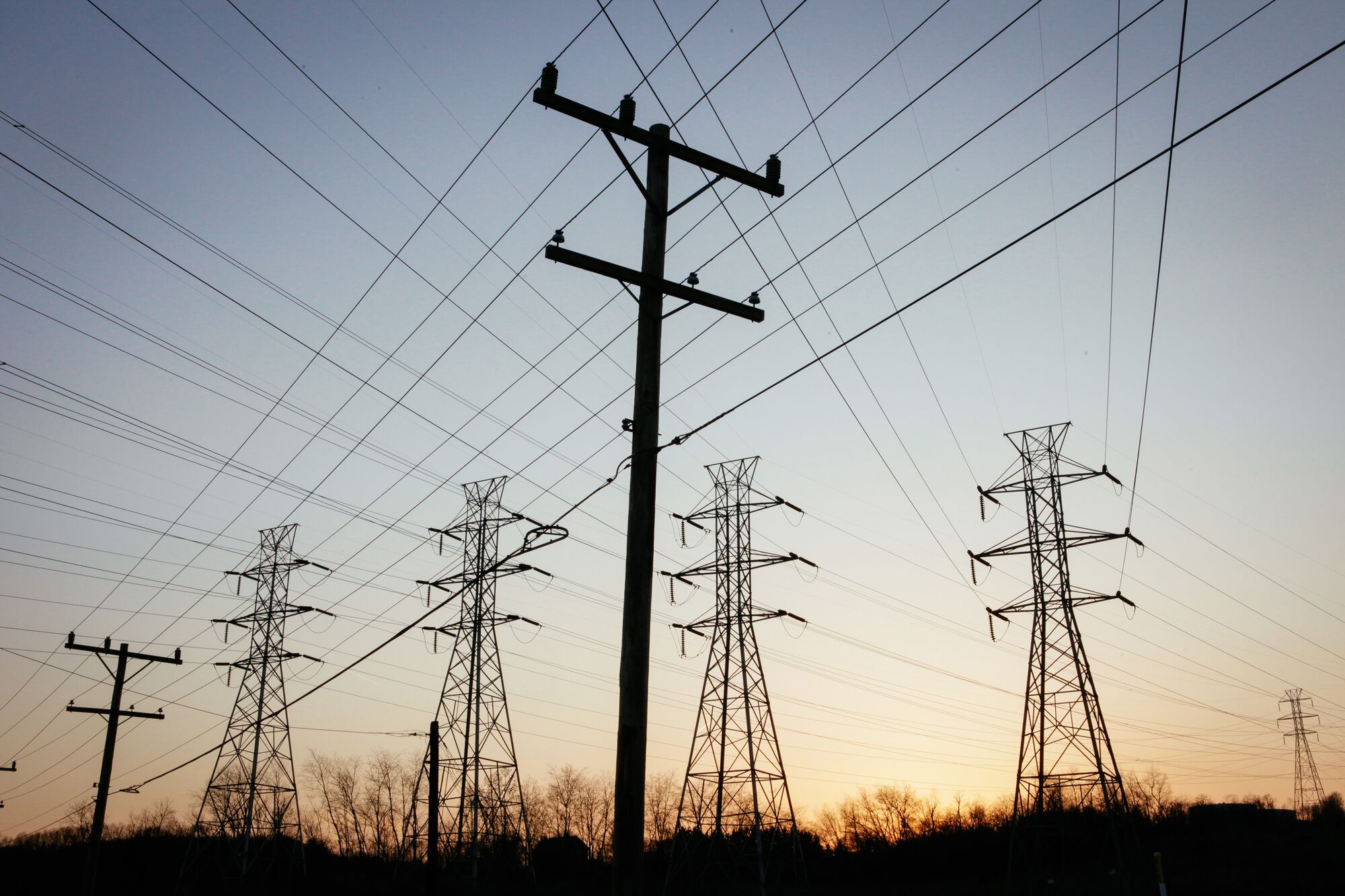
The project involves upgrading the existing 138-kilometre, 330-kilovolt (kV) single-circuit transmission line to a 330-kV double-circuit line

The Transmission Company of Nigeria (TCN), in partnership with the African Development Bank (AfDB), has commenced the second phase of compensation payments for communities affected by the Alaoji–Onitsha transmission line project.
The compensation exercise, conducted under the project’s Resettlement Action Plan (RAP) and Livelihood Restoration Programme, took place between May 12 and May 13 in Abia and Imo states, with the official inauguration held in Imo State.
In a statement issued in Abuja on Sunday, TCN’s General Manager, Public Affairs, Ndidi Mbah, said the project involves upgrading the existing 138-kilometre, 330-kilovolt single-circuit transmission line between Alaoji and Onitsha into a 330-kV double-circuit quad-conductor line.
According to the statement, the Managing Director of TCN, Sule Abdulaziz, commended President Bola Tinubu for supporting the implementation of the project and ensuring the timely compensation of affected persons.
Abdulaziz, who was represented by Omobola Odusoga-Bola, General Manager and Project Manager of AfDB and the Nigeria Transmission Expansion Project Phase One (NTEP-1), explained that the current phase focuses on compensating individuals whose crops fall within the transmission corridor.
He noted that compensation had earlier been paid to persons whose buildings and other physical structures were affected by the project.
The TCN boss further disclosed that the company had also introduced a livelihood restoration programme aimed at supporting petty traders and small business owners operating along the transmission right-of-way.
According to him, about 210 small business operators were identified within the TCN corridor, while 64 beneficiaries selected from 32 communities would receive vocational training and start-up support.
He said the programme would cover trades such as fashion and tailoring, catering and food processing, cobbling and shoe making, ICT and digital skills, electrical installations, auto mechanics, and other artisanal professions relevant to local economic development.
Speaking on the development, the Managing Director of PGM Nigeria Limited and project consultant, Bassey Uzodinma, described the initiative as evidence of TCN’s commitment to responsible infrastructure development and community engagement.
He urged community leaders to monitor the programme closely and ensure that beneficiaries maximise the long-term opportunities created through the intervention.
Related Stories

Sign up for our newsletter.
Get the latest news, expert analysis, and industry insights delivered straight to your inbox. Join thousands of professionals shaping the future of energy.
By submitting my information, I agree to the Privacy Policy and Terms of Service.