Power
African Labour Unions Slam Mission 300 Electricity Plan
Mission 300 faces growing opposition as Unions question whether Africa’s power strategy can deliver access without adding more debt.
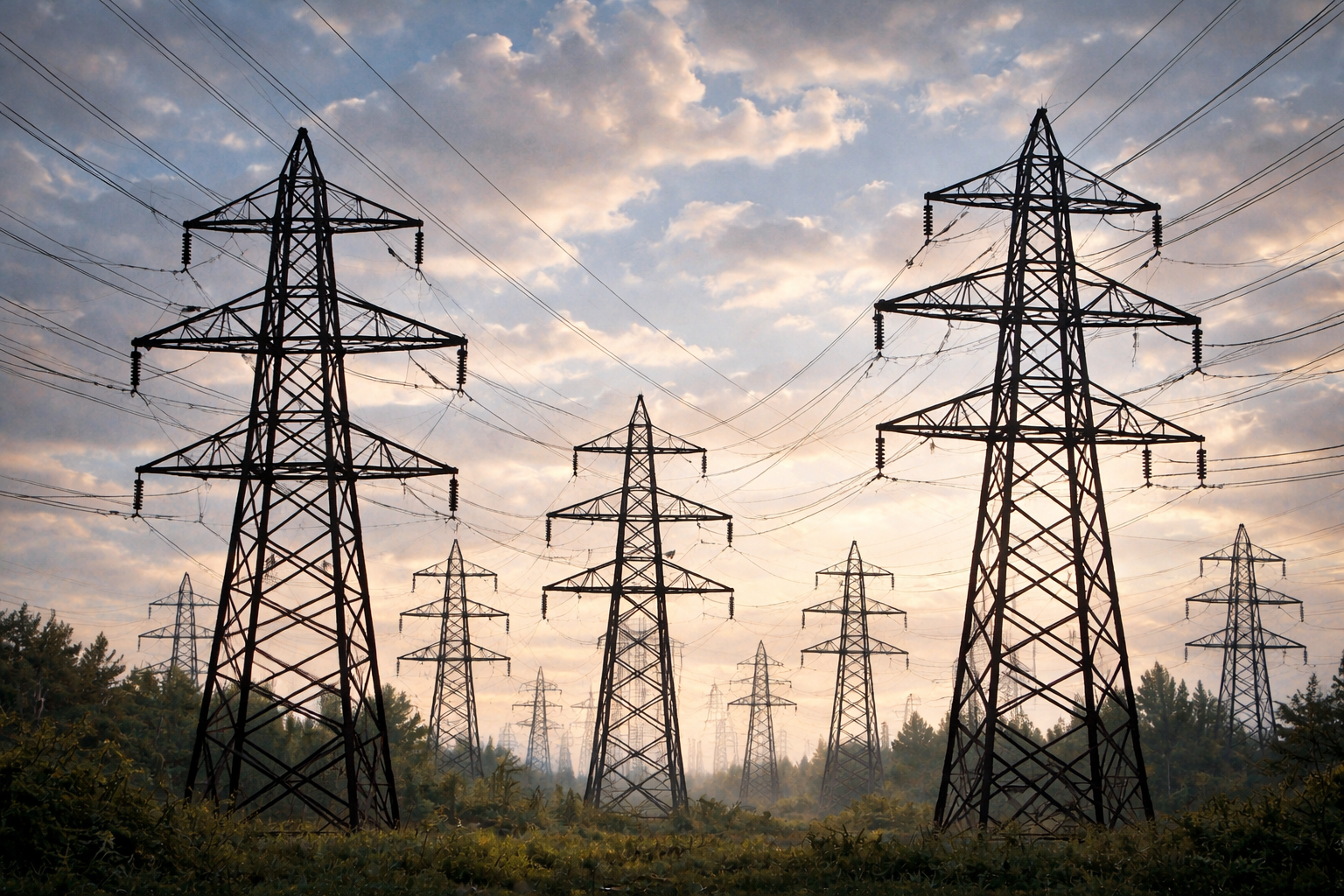
Labour unions across Africa have sharply criticised the African Development Bank (AfDB) and World Bank-backed Mission 300 electricity initiative, warning that it could deepen debt burdens without fixing the continent’s long-running power crisis.
The unions, working through the International Trade Union Confederation Africa, Public Services International and IndustriAll Global Union’s sub-Saharan Africa region, said the plan repeats the same market-driven approach that has already failed millions of people. They argued that despite years of reform promises and private-sector involvement, about 600 million Africans still lack access to electricity.
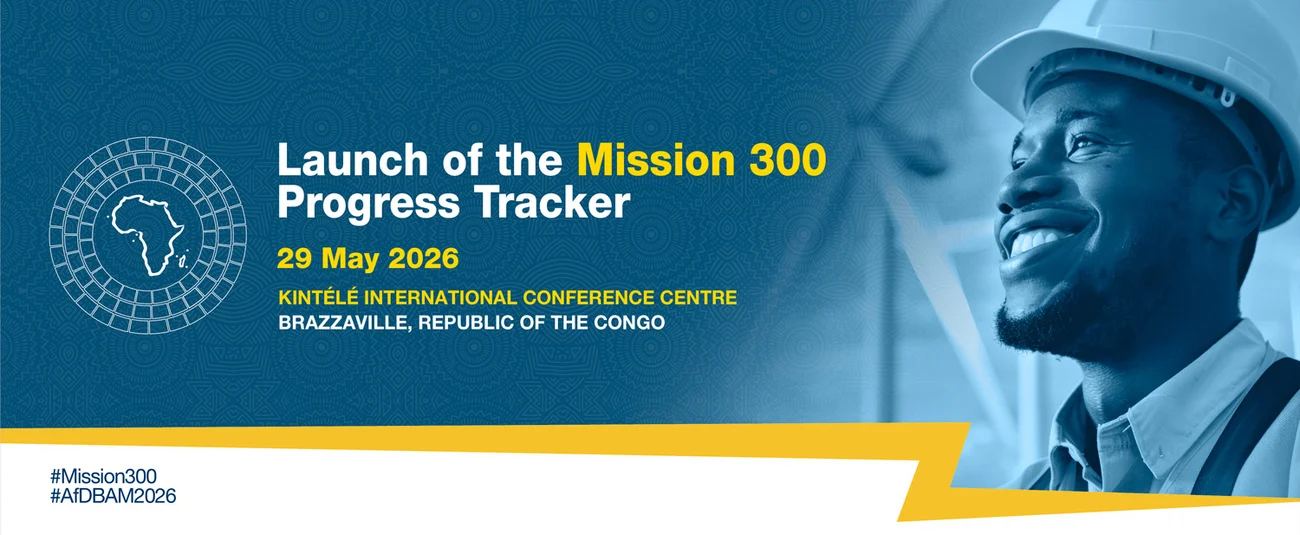
In a joint statement at the African Development Bank’s 2026 annual meeting in Brazzaville, the unions compared Mission 300 to the AfDB’s earlier New Deal on Energy for Africa, which they described as a failure. They noted that the previous plan promised near-universal electricity access by 2025, yet large parts of sub-Saharan Africa remain without power.
The unions also objected to the model behind Mission 300, which relies on concessional financing to make projects more attractive to private investors. In their view, that approach shifts the risk onto governments already struggling with debt, while leaving public utilities under pressure to recover costs through higher tariffs.
They warned that efforts to force utilities to achieve full operational cost recovery could weaken public power companies rather than strengthen them. According to the unions, financially stressed utilities often struggle to expand or improve the infrastructure needed to deliver electricity to more people.
Their criticism comes as the World Bank reaffirmed support for Nigeria’s electricity sector, even after the cancellation of about $717 million in undisbursed funds linked to a separate power reform programme. The bank said its wider partnership with the Federal Government remains active through other ongoing projects aimed at improving supply and access.
The unions urged the World Bank to rethink its reliance on private-sector-led electrification and called on African governments to question a model they believe could leave the continent with more debt and little progress in energy access.
Related Stories
Sign up for our newsletter.
Get the latest news, expert analysis, and industry insights delivered straight to your inbox. Join thousands of professionals shaping the future of energy.
By submitting my information, I agree to the Privacy Policy and Terms of Service.