Oil & Gas
Africa’s Old Oil Fields May Find New Life as Carbon Stores
Depleted oil and gas fields could become underground carbon stores, giving old energy assets a possible new use across Africa.
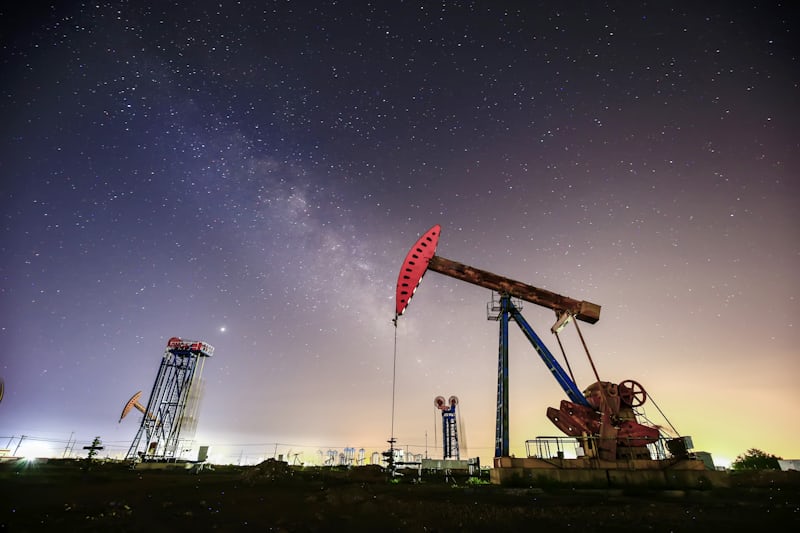
Africa’s depleted oil and gas reservoirs could gain a new purpose as underground storage sites for carbon dioxide, creating possible new uses for fields, pipelines and processing facilities that already exist across the continent.
The idea is gaining ground as oil and gas producers look for ways to cut emissions from hydrocarbon production without abandoning existing energy assets, World Oil has maintained.
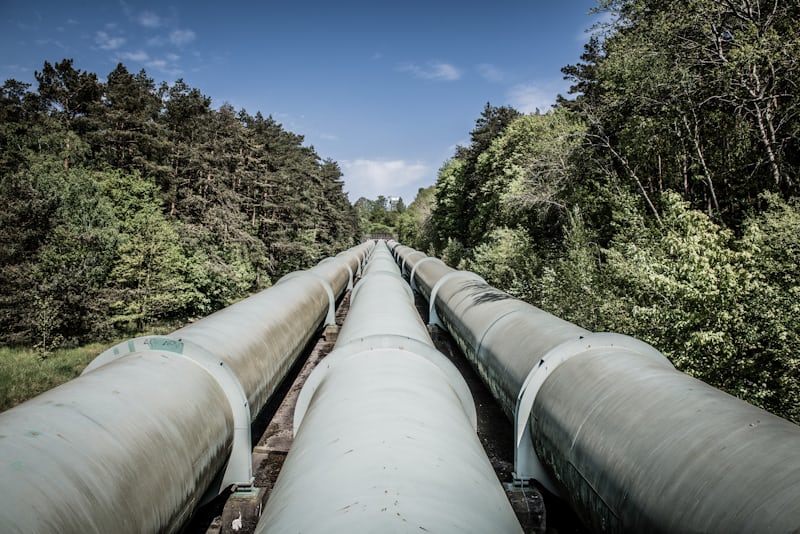
Reservoirs in North, West and Southern Africa are being considered as possible permanent storage locations for carbon dioxide. Existing pipelines and processing facilities could also serve future systems that collect and transport the gas.
This could give some oil and gas infrastructure a second life after production from the reservoirs has declined or ended.
Old infrastructure could serve carbon storage
Carbon capture and storage, or CCS, involves collecting carbon dioxide from industrial activities and putting it underground for permanent storage.
Capture facilities could be built at refineries, power plants and industrial sites. The captured gas could then be sent through shared pipelines or transported by ship to storage sites.
Possible destinations include depleted oil and gas reservoirs and saline aquifers, which are underground formations containing salt water.
The approach could allow several industrial sites to share transportation and storage facilities. It could also reduce the need to build completely separate systems for every carbon capture project.
South Africa is already examining how such systems could work commercially.
The Leandra pilot project in Mpumalanga has advanced research into deep saline formations. The Council for Geoscience and Sasol are also assessing ways to capture and store industrial emissions.
Nigeria is developing its carbon-management system through its National Carbon Market Framework and Carbon Market Activation Policy.
The two initiatives provide mechanisms for registering carbon projects and handling international carbon transfers. They are also helping Nigeria build knowledge about carbon storage.
Kenya is studying a different method based on volcanic rock.
The process, known as basalt mineralisation, involves injecting carbon dioxide into basalt. The gas reacts with the volcanic rock and becomes permanently mineralised.
Other underground basins on land and offshore are also being assessed in different parts of Africa for possible storage.
For oil and gas producers, the attraction lies in being able to use assets that have already supported energy production.
Depleted reservoirs could serve as storage locations, and existing pipelines could potentially transport carbon dioxide. Processing sites and other industrial facilities could also become part of such networks.
However, turning the idea into commercial projects will require more than available underground space.
Storage sites would need to be properly studied and assessed. New infrastructure would also require investment, and countries would need suitable regulations and carbon-market systems.
The subject is expected to feature at the Energy Additions Forum during African Energy Week 2026.
A panel at the event will examine how carbon management can extend the value of existing energy assets.
NJ Ayuk, executive chairman of the African Energy Chamber, said carbon storage could allow Africa to reduce emissions while continuing to develop its oil and gas resources.
“CCS gives Africa a practical pathway to reduce emissions while continuing to develop our oil and gas resources,” Ayuk said.
He said the right investment and policy systems could turn Africa’s geological resources and existing infrastructure into a new carbon-management industry.
The proposal goes beyond storing carbon. It could give ageing fields, pipelines and other energy facilities another use as African countries develop carbon-management systems.
Related Stories


Sign up for our newsletter.
Get the latest news, expert analysis, and industry insights delivered straight to your inbox. Join thousands of professionals shaping the future of energy.
By submitting my information, I agree to the Privacy Policy and Terms of Service.