Oil & Gas
Ardova-Led Group to Acquire Africa's Top CNG Producer
The Ardova-Powergas deal ties Nigeria's CNG expansion to a longstanding health crisis in oil-producing communities, where flared gas has fuelled illness for generations.
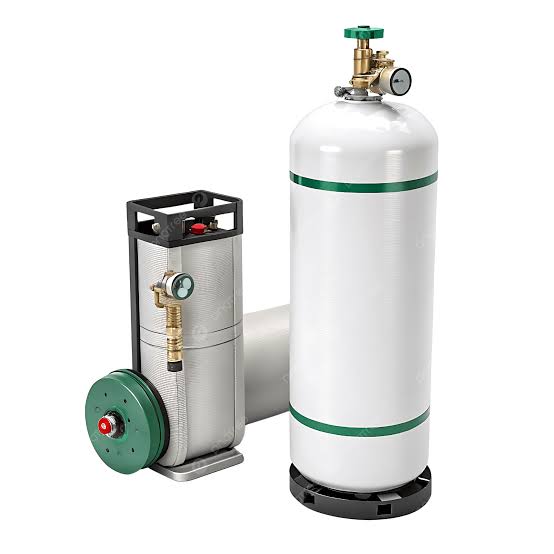
A.P. Moller Capital, through its Africa Infrastructure Fund I and Impala Energy Holdings, has agreed to sell Powergas, one of Africa's largest compressed natural gas producers, to a consortium led by Ardova Plc and including Diadem Energy, in a deal expected to close around the end of 2026, subject to regulatory and other customary approvals.
The transaction combines Powergas's gas sourcing relationships, compression infrastructure and industrial customer base with Ardova's nationwide retail, logistics and distribution network.
Ardova plans to deploy Compressed Natural Gas (CNG) infrastructure across its retail sites and is targeting 100 CNG refuelling stations nationwide within 24 months, expanding access to gas for commercial fleets and motorists as part of Nigeria's push to increase domestic gas use.
A flare gas project with a community health angle
Central to the deal is Powergas's Ebedei flare gas monetisation project, which converts gas that would otherwise be burned off during oil production into fuel for commercial and industrial use.
Gas flaring, the practice of burning off natural gas released during oil extraction, has for decades been linked to serious health and environmental harm in Nigeria's oil-producing communities, including respiratory illness, skin and eye irritation, contaminated groundwater and reduced crop yields on farmland near flare sites, according to multiple public health studies.
The Ebedei plant sits in an area of Delta State that has itself been documented in research literature as affected by flaring, where studies have recorded reduced agricultural output and discoloured crops in fields close to gas facilities. By capturing gas for productive use rather than burning it, projects like Ebedei aim to cut flaring-linked emissions at the source while also displacing diesel generators for the industrial and commercial customers who buy the captured gas, delivering what its backers describe as a twofold environmental benefit.
Founded in 2013 by the Clean Energy Group, Powergas pioneered a model of supplying natural gas beyond the reach of fixed pipelines through compression facilities and truck-based "virtual pipeline" networks.
A.P. Moller Capital invested in the business in April 2019, its first investment under Africa Infrastructure Fund I, and supported it through construction and commissioning; the Ebedei compression plant came online in 2021, and the company has since expanded distribution across South-East, South-South and South-West Nigeria. Powergas currently operates four mother stations and a fleet of more than 250 tube skids, and has created 175 direct jobs, with many more across its supply chain.
Deal builds toward a national CNG push
Ardova Executive Chairman AbdulWasiu Sowami said the combined platform is intended to connect Nigeria's gas resources to industry, power and transportation, supporting President Bola Tinubu's Presidential Initiative on Compressed Natural Gas and Electric Vehicles and the government's Decade of Gas programme.
"Our ambition is to deliver more affordable, lower-emission energy and lower transportation costs for Nigerians, while building a gas platform with relevance far beyond Nigeria," Sowami said. Ardova Managing Director Abiola Babatunde-Ojo said the company's focus now shifts to execution, including expanding compression capacity and connecting more industries and fleets to gas.
Ardova intends to expand Powergas's compression capacity across other gas-producing corridors, creating firm demand for gas that would otherwise go unused, supporting further flare reduction and eventually extending the platform into wider West African markets.
Powergas Vice-Chairman Pulak Sen and A.P. Moller Capital Partner Sam Senbanjo both described the sale as the next stage in the company's growth following its build-out from concept to fully operational business since 2019.
How much of Nigeria's remaining flared gas, still counted in the billions of cubic feet burned off annually according to national flare-tracking data, the enlarged Ardova-Powergas platform can eventually capture will be a measure of how far this kind of commercial gas-capture model can address a problem that regulation alone has failed to solve for decades.
Related Stories
Sign up for our newsletter.
Get the latest news, expert analysis, and industry insights delivered straight to your inbox. Join thousands of professionals shaping the future of energy.
By submitting my information, I agree to the Privacy Policy and Terms of Service.