Oil & Gas
Dangote to Build $660m Ethiopia-Djibouti Fuel Pipeline
Dangote's new pipeline targets a vulnerability starkly exposed by this year's Middle East-driven fuel crisis, which left landlocked Ethiopia queuing for petrol for days.
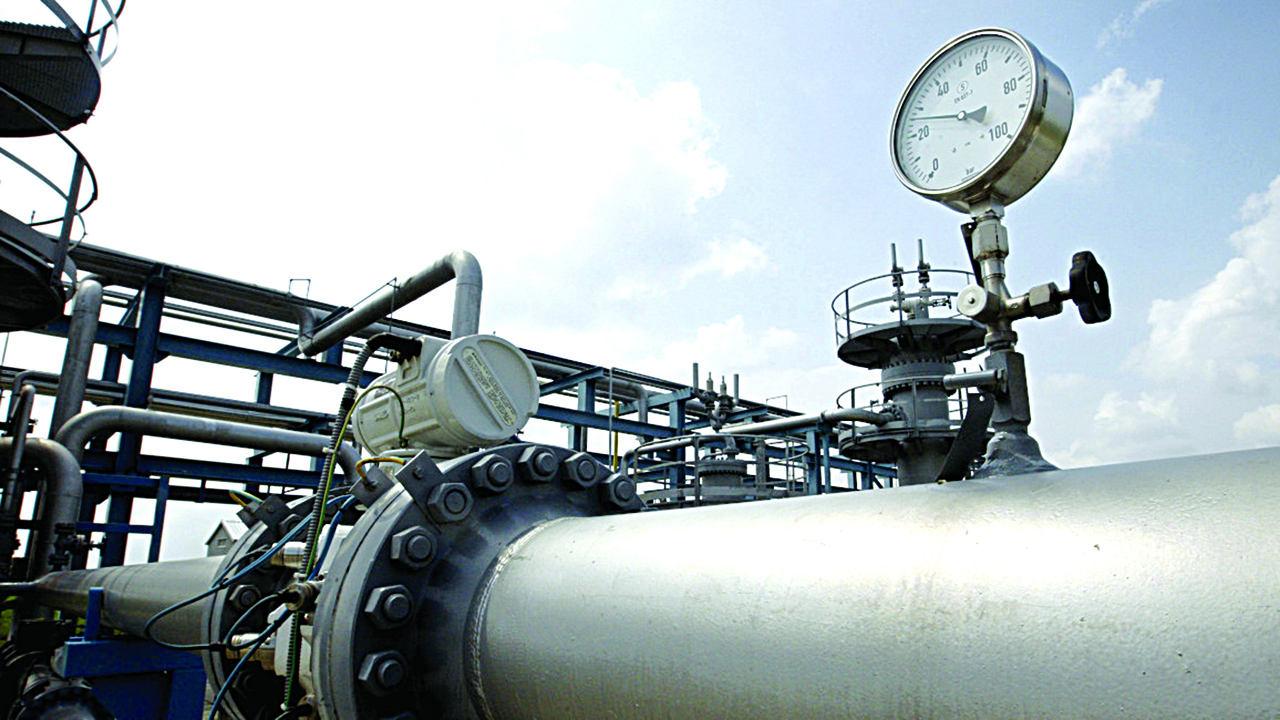
Nigerian billionaire Aliko Dangote's Dangote Group, Ethiopia and Djibouti are set to develop a $660 million refined petroleum products pipeline linking the two East African countries, a spokesperson in the office of Ethiopian Prime Minister Abiy Ahmed told Reuters on Thursday, as landlocked Ethiopia looks to ease its heavy reliance on a single import corridor.
Abiy said on X that the project would be developed through a partnership between Ethiopian Investment Holdings and Dangote Group, and made the announcement during a visit to Djibouti alongside Djiboutian President Ismail Omar Guelleh and Dangote himself.
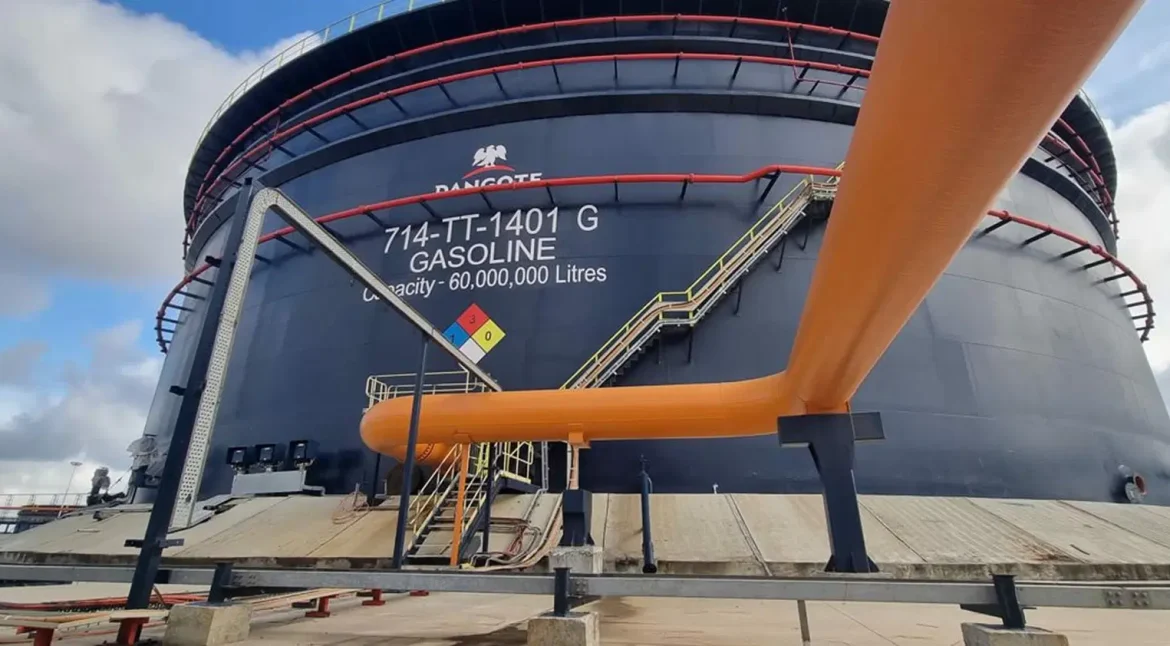
The project will include a 120-kilometre pipeline running between Damerjog in Djibouti and Dewele in Ethiopia, alongside storage facilities with a combined capacity of about 1.175 million cubic metres, split between roughly 375,000 cubic metres in Djibouti and 800,000 cubic metres in Ethiopia.
According to Abiy, the project aims to reduce logistics costs and delays along the Ethiopia-Djibouti transport corridor, with developers saying it will strengthen energy security and improve supply chain resilience for both countries.
Ethiopia's fuel supply has proven fragile
The pipeline addresses a vulnerability that has been starkly exposed over the past year.
More than 90% of Ethiopia's trade, including all of its petrol and diesel, moves through the port of Djibouti, its only significant maritime gateway as a landlocked nation of around 130 million people.
When conflict in the Middle East disrupted shipping through the Strait of Hormuz earlier in 2026, long-term fuel contracts between Ethiopia and Gulf suppliers effectively collapsed, and the country was left with only 13 strategic fuel reserve depots to absorb the shock.
Drivers in Addis Ababa queued for more than a day at some petrol stations, with one taxi driver telling AFP he had spent the night in his car without food after losing two days of business. Prime Minister Abiy urged citizens to "use oil sparingly and prioritise basic needs" while the government scrambled to secure alternative supply.
The crisis also exposed weaknesses beyond global market shocks.
Ethiopia's state-owned Ethiopian Petroleum Supply Enterprise operates as the country's sole bulk fuel importer, a centralised structure that investigators later found had allowed officials to divert fuel into an unregulated black market worth billions of birr a month during the shortage.
Analysts have since argued that Ethiopia's dependence on a single import corridor and a road-based transport system means even modest global disruptions can cascade into domestic shortages, rising inflation and pressure on foreign exchange reserves.
The World Bank and the Ethiopian government have already invested more than $200 million in the wider Ethiopia-Djibouti trade corridor, including a separate proposal for a 150,000-cubic-metre fuel storage facility in Djibouti linked to rail infrastructure.
Pipeline extends Dangote's growing East African footprint
The pipeline adds to a series of investments Dangote Group has already made in Ethiopia, including a $4 billion fertiliser pipeline and power plant, as well as a polypropylene packaging facility.
Dangote and the Kenyan government are also expected to break ground next week on a new 700,000-barrel-per-day crude oil refinery in Lamu, part of a broader expansion of Dangote's energy interests across East Africa that mirrors the company's earlier build-out of refining and pipeline infrastructure in West Africa.
The spokesperson in Abiy's office did not disclose a target completion date for the pipeline, leaving unclear how soon the new infrastructure could provide Ethiopia with the added supply resilience the project is designed to deliver.
Related Stories
Sign up for our newsletter.
Get the latest news, expert analysis, and industry insights delivered straight to your inbox. Join thousands of professionals shaping the future of energy.
By submitting my information, I agree to the Privacy Policy and Terms of Service.