Power |Finance
Cape Town Commits R6bn to Cut Eskom Power Dependence
Cape Town's R6bn electricity investment will upgrade the grid, expand clean energy and strengthen local power supply as the city seeks greater energy independence.
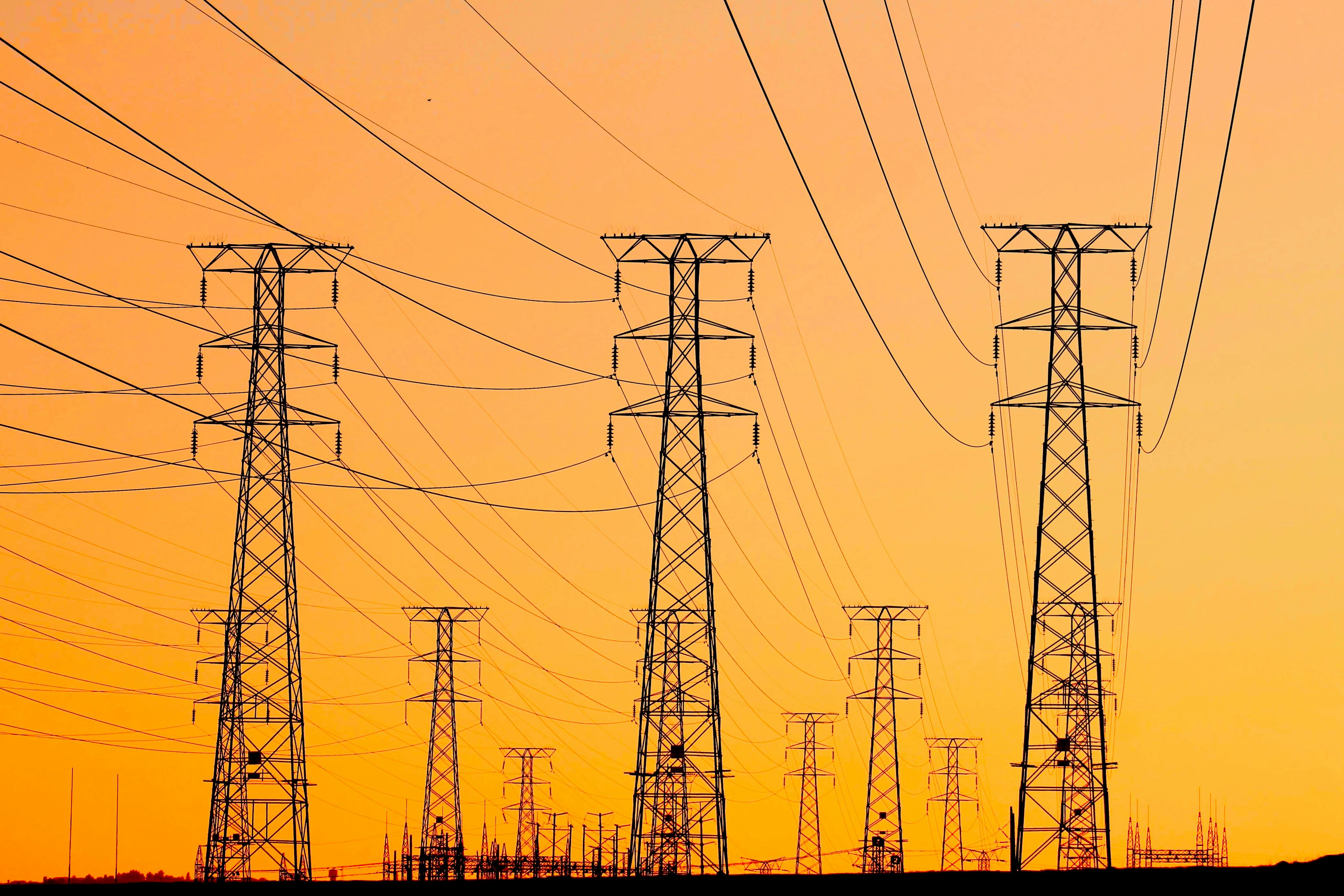
The City of Cape Town plans to invest R6 billion over the next three years in electricity infrastructure and clean energy projects as it works to strengthen its power network, reduce reliance on Eskom and limit the impact of rising electricity costs on residents and businesses.
The spending will cover upgrades to the city's electricity grid, renewable energy generation, clean power procurement and improvements to streetlight infrastructure.
The city also plans to invest in the Steenbras Hydroelectric Plant and support small-scale electricity generation as part of a broader move towards a more decentralised power system.
The investment is significant because Cape Town's plan goes beyond adding new generation capacity. By strengthening its own network and bringing more renewable energy into the system, the city aims to have greater control over its electricity supply and reduce its exposure to disruptions and price increases linked to Eskom.
A more diverse electricity system could also help the city manage periods of high demand and make better use of renewable energy sources. Supporting smaller power projects may further allow electricity to be generated closer to where it is consumed, reducing pressure on the wider grid.
City expands renewable energy plans
Mayco member for Energy Xanthea Limberg described the investment as part of the city's plan to prepare its electricity system for a more decentralised energy future.
"We're investing approximately R6bn in electricity upgrades and clean energy procurement to prepare Cape Town's infrastructure for a dynamic decentralised energy future," she said.
She added that the city was focused on improving electricity services while working to reduce costs for customers.
The planned spending comes as South African municipalities increasingly look for ways to diversify their electricity supplies and reduce their dependence on Eskom. Cape Town's approach combines investment in existing infrastructure with new renewable energy and smaller-scale generation projects.
For electricity users, the main benefit could be a more reliable and flexible power system, although the impact will depend on how quickly the planned projects are delivered and how much additional electricity the city can secure from sources outside Eskom.
The programme also places Cape Town among South African cities seeking a greater role in electricity generation and procurement, a shift that could gradually change the country's traditionally centralised power market.
In 2024, the City of Cape Town also announced plans to procure additional independent power from private producers as part of its strategy to diversify electricity supply and reduce reliance on Eskom. The city has also used its Steenbras Pumped Storage Scheme for years to help manage periods of high demand and reduce the impact of load-shedding.
More recently, Cape Town has pursued a wheeling framework, allowing private renewable energy producers to supply electricity to customers through the city's grid.
Related Stories

Sign up for our newsletter.
Get the latest news, expert analysis, and industry insights delivered straight to your inbox. Join thousands of professionals shaping the future of energy.
By submitting my information, I agree to the Privacy Policy and Terms of Service.