Power
Nigeria's Power Crisis Fuels Solar Boom — Report
Nigeria is strengthening its position in Africa's clean energy market after a new report ranked it among the top destinations for small-scale solar investment.
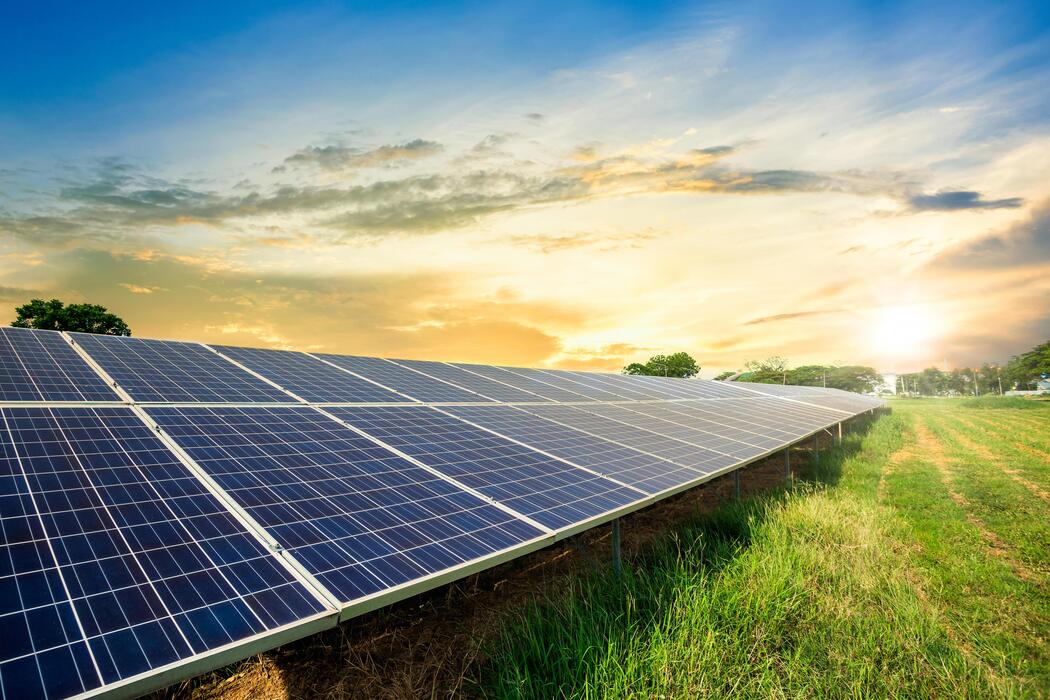
Nigeria's rising electricity costs and unstable power supply have pushed the country into the front line of Africa's fast-expanding solar market, with new figures showing it is now one of the largest destinations for small-scale solar investment in Sub-Saharan Africa.
The finding is contained in BloombergNEF's Sub-Saharan Africa Clean Energy Market Outlook 2026, released on Wednesday.
The report shows that homes and businesses are turning to solar because it offers a more affordable and reliable source of electricity. The trend matters because energy costs affect production, business survival and daily life.
The report reviewed clean energy activity in 16 Sub-Saharan African countries. It found that investment in the region reached a record $13.5 billion in 2025, while spending on small-scale solar more than doubled to $8.5 billion. The figures show that the search for reliable electricity is changing how people and businesses power their homes, offices and factories.
Electricity costs reshape energy choices
BloombergNEF found that financial pressure, rather than climate goals or government policy, is now driving clean energy investment in much of Sub-Saharan Africa.
Nigeria was listed alongside South Africa and Kenya as one of the countries where higher electricity prices have encouraged faster adoption of solar systems. Many households and businesses now see solar as a practical option because it can reduce spending on petrol and diesel generators over time.
The report also found that utility-scale renewable energy projects and small-scale solar systems with battery storage are increasingly replacing generators. This change is taking place as renewable energy technologies become more affordable.
In 2025, the region installed 13 gigawatts of solar, wind and battery capacity. BloombergNEF projects that annual installations will rise to 29 gigawatts by 2030 if current investment trends continue.
For Nigeria, the findings reflect what many consumers experience daily. Grid electricity is often unreliable, while the cost of running generators has climbed sharply. These conditions have encouraged more families, schools, hospitals and businesses to install solar panels and battery storage systems.
Off-grid power gains more attention
The report also pointed to off-grid electricity systems as one of the main ways of expanding access to power in Sub-Saharan Africa.
More than 560 million people in the region lacked reliable electricity in 2025. Off-grid solar systems and mini-grids are helping to supply electricity in communities that have little or no access to the national grid.
Nigeria has increased investment in these systems in recent years. Solar home systems, mini-grids and battery storage projects are becoming more common in rural communities as well as urban areas where electricity supply is unstable.
The report also showed that Sub-Saharan Africa has become the fastest-expanding destination for Chinese solar exports. The region accounted for 10.1 per cent of Chinese solar exports in the first quarter of 2026, up from 4.9 per cent during the same period in 2025.
The increase suggests that demand for solar equipment is rising quickly as more countries seek alternatives to costly conventional power sources.
The findings also fit with recent efforts to improve electricity access in Nigeria. The Federal Government and international partners have increased support for decentralised energy projects that can reach underserved communities.
The World Bank recently approved its 2026 to 2032 partnership strategy for Nigeria, which includes improving access to electricity and encouraging more private investment in the power sector.
BloombergNEF's outlook indicates that lower technology costs, stronger private investment and rising demand for dependable electricity could support further expansion of solar energy in the region over the rest of the decade.
For Nigeria, the report points to a simple reality. As electricity becomes more expensive and unreliable, more homes and businesses are investing in solar power to secure a steady supply and reduce long-term energy costs.
Related Stories
Sign up for our newsletter.
Get the latest news, expert analysis, and industry insights delivered straight to your inbox. Join thousands of professionals shaping the future of energy.
By submitting my information, I agree to the Privacy Policy and Terms of Service.