Renewables
Chinese Firm to Lead Nigeria's First 7MW Floating Solar Power Project
These high charges, combined with outstanding payments, have resulted in UNILAG owing EKEDC over ₦1 billion in unpaid bills, leading the school to periodic disconnections and continued reliance on alternative power sources.
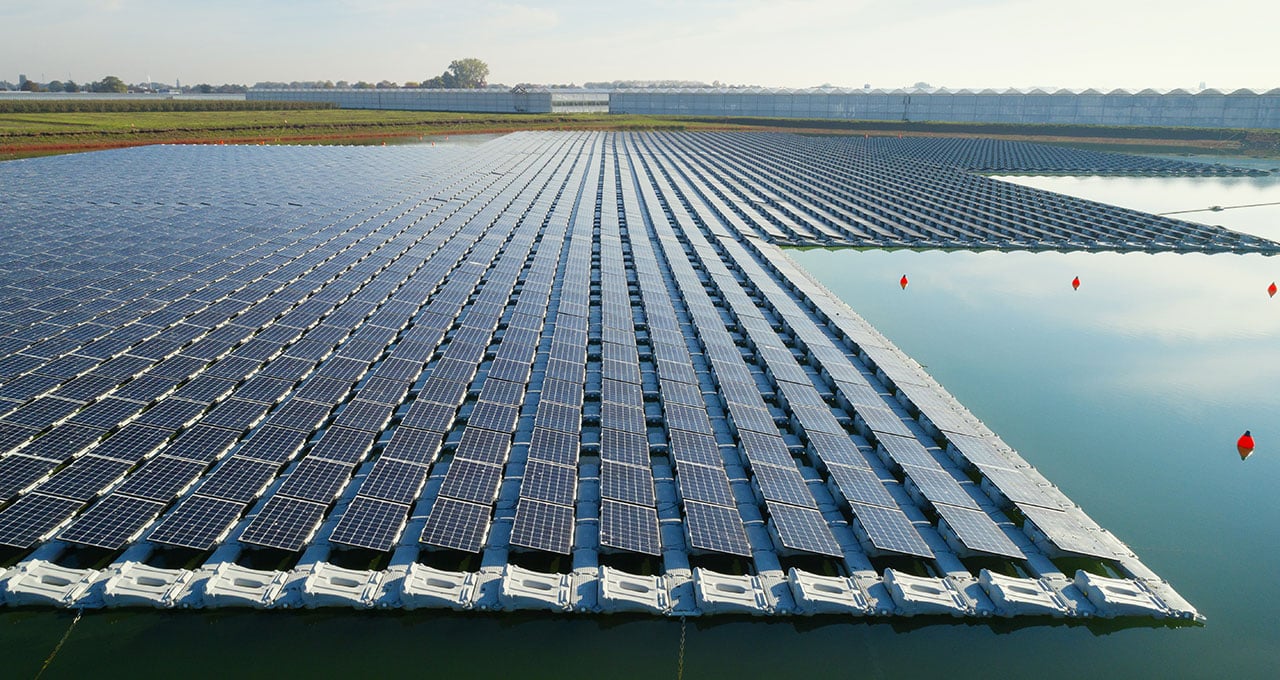
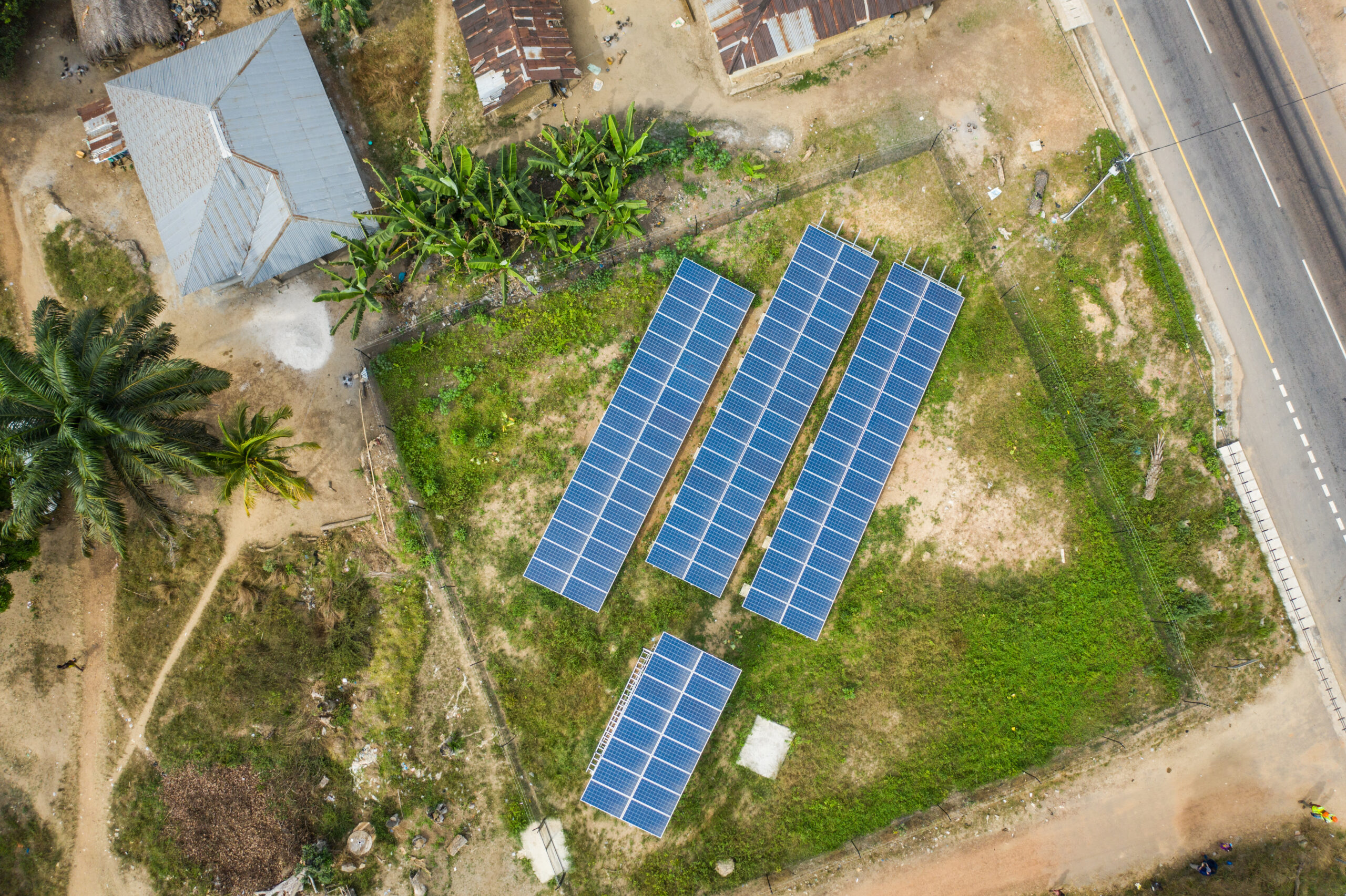
In a drastic step towards advancing the country’s renewable energy transition, Nigeria has awarded China Civil Engineering Construction Corporation (CCECC) its first-ever 7-megawatt floating solar power project.
The solar project, awarded under the Rural Electrification Agency (REA), will be installed on the lagoon waters surrounding the University of Lagos (UNILAG) to deliver clean, reliable electricity to the university. Sources close to this stress that it will reduce the dependence on diesel generators and easing pressure on the national grid in the West African nation.
Speaking on the project, the construction firm, CCECE, said, "Located on the lagoon waters surrounding the UNILAG campus, this landmark project will deliver reliable, safe, stable, and clean electricity to one of Nigeria’s foremost academic institutions."
Given the significant energy challenges, with electricity costs rising sharply after the Eko Electricity Distribution Company (EKEDC) moved the Lagos university from the “Band B” to the higher “Band A” tariff category, the institution opted for a solar solution.
These high charges, combined with outstanding payments, have resulted in UNILAG owing EKEDC over ₦1 billion in unpaid bills, leading the school to periodic disconnections and continued reliance on alternative power sources.
This new solar option is expected to significantly cut diesel consumption, lower costs, and improve power reliability across the campus.
Beyond Nigeria, solar power is receiving growing attention in Africa as governments struggle with fluctuating grids, a continuous surge in fuel costs, and the need to support industrial growth. As part of broader energy diversification strategies, countries such as Morocco, Egypt, Kenya, and South Africa have ramped up solar investments.
For many African economies, solar energy offers a faster and more flexible alternative to large hydropower or gas-fired plants.
Related Stories
Sign up for our newsletter.
Get the latest news, expert analysis, and industry insights delivered straight to your inbox. Join thousands of professionals shaping the future of energy.
By submitting my information, I agree to the Privacy Policy and Terms of Service.